 boo@zjmgmm.com / 958587858@qq.com
 English
 русский
 Español
 عربى
عربى
What are the key advantages of LiFePO4 chemistry compared to traditional lead-acid batteries for a 12V system?
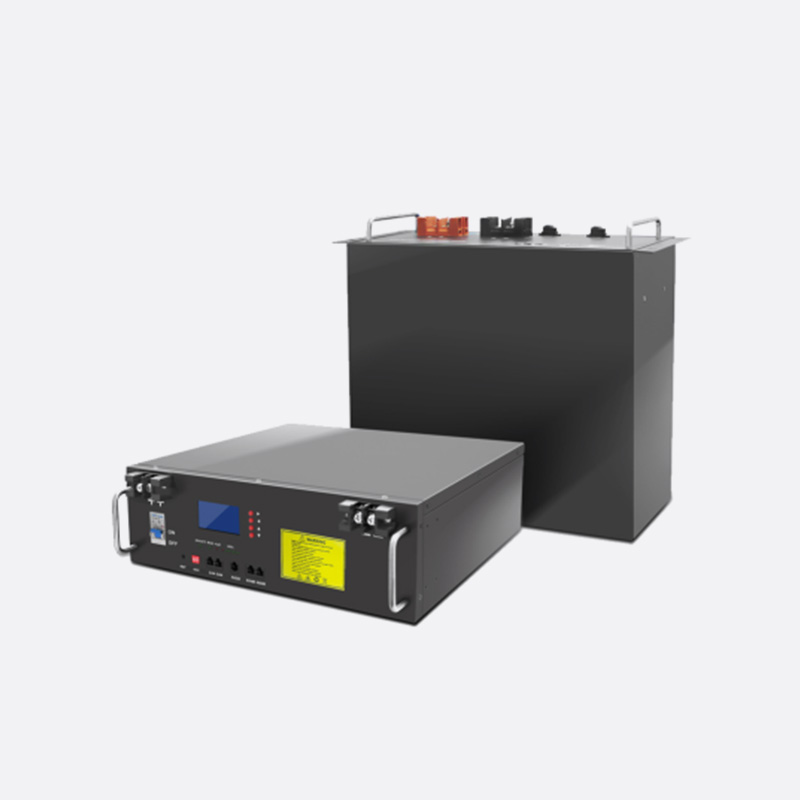
The advantages stem from the inherent chemical stability and performance characteristics of the Lithium Iron Phosphate cathode material. A primary advantage is a longer cycle life. A quality 12V LiFePO4 battery can typically deliver 2000 to 5000 charge-discharge cycles to 80% of its original capacity, whereas a lead-acid battery may offer 300 to 500 cycles under similar use. This translates to a longer service life despite a higher initial purchase cost.
Another significant advantage is higher usable capacity. Lead-acid batteries, especially AGM or flooded types, are generally not recommended for discharges below 50% State of Charge (SOC) to avoid rapid degradation. A LiFePO4 battery can reliably deliver 80-99.9999% of its rated capacity on each cycle without damage. This means a 100Ah LiFePO4 battery provides usable energy similar to a 200Ah lead-acid bank. Furthermore, LiFePO4 batteries offer higher charge and discharge efficiency (often over 95%), losing less energy to heat during operation. They also have a lower self-discharge rate, maintaining their charge for longer periods when idle, and they can be charged significantly faster when paired with a suitable charger.
Do 12V LiFePO4 batteries require a special charger or charge controller?
Yes, they require a charger or charge controller specifically designed for lithium iron phosphate chemistry. While the nominal voltage is similar to lead-acid (12.8V for LiFePO4 vs. 12.6V for lead-acid), the charging voltage profile and algorithm are different. A LiFePO4-specific charger applies a constant current/constant voltage (CC/CV) charge with precise voltage limits.
Using a charger designed for lead-acid batteries can be problematic. A lead-acid charger may apply a higher "absorption" or "equalization" voltage that can exceed the safe upper limit for a LiFePO4 cell, potentially damaging the Battery Management System (BMS) or the cells themselves. The BMS inside a quality LiFePO4 battery provides critical protection, but it is designed to work with the correct charging parameters. For solar systems, a solar charge controller with a selectable or programmable LiFePO4 profile is necessary to ensure safe and efficient charging from photovoltaic panels.
How does temperature affect their performance and safety?
Temperature has a defined impact on operation and longevity. LiFePO4 batteries can operate across a wide temperature range, typically from -20°C to 60°C for discharge. However, they have a strict limitation on charging temperature. Many manufacturers specify that charging should not occur when the battery core temperature is below 0°C (32°F). Charging a LiFePO4 battery in freezing conditions can cause permanent metallic lithium plating on the anode, bring about capacity loss and potential internal short circuits.
High temperatures also affect lifespan. While they are thermally more stable than other lithium-ion chemistries, sustained operation or storage at high temperatures (above 45°C) will accelerate chemical aging and reduce cycle life. For safety, the LiFePO4 chemistry itself is inherently more stable and less prone to thermal runaway than NMC chemistries, but the BMS includes temperature sensors to disable charging or discharging if safe limits are exceeded. For installations in environments with temperature, batteries with integrated low-temperature charge protection or external temperature management are recommended.
What is the role of the Battery Management System (BMS), and what are its limitations?
The BMS is an integrated electronic circuit that is essential for safety, performance, and longevity. Its primary functions are cell balancing, protection, and monitoring. It continuously monitors the voltage of each individual cell within the 12V battery pack (typically four 3.2V cells in series). It ensures the cells remain balanced during charge and discharge to prevent any single cell from becoming overcharged or over-discharged, which would damage the pack.
The BMS enforces critical protection by disconnecting the battery in fault conditions. These include over-voltage (during charging), under-voltage (during deep discharge), over-current (exceeding safe discharge or charge rates), and short-circuit protection. It also monitors temperature. It is important to understand that the BMS is a protection device, not a performance enhancer. Its current limits define the safe continuous and peak discharge current for the battery. A user must select a battery with a BMS rated for the peak current draw of their application (e.g., an inverter surge). The BMS does not manage external charging parameters; it acts as a final safety shut-off if the charger malfunctions.

 English
  Building 33, Demonstration Park, No. 318 Chenguang Road, Eastern New District, Wenling City, Taizhou City, Zhejiang Province, China
  0086-576-86337978
  0086-576-86333878
 boo@zjmgmm.com