 boo@zjmgmm.com / 958587858@qq.com
 English
 русский
 Español
 عربى
عربى
Compared with other lithium-ion chemistries, such as NMC (nickel manganese cobalt) or LCO (lithium cobalt oxide), LiFePO4 prismatic cells generally offer higher thermal stability and lower risk of thermal runaway.
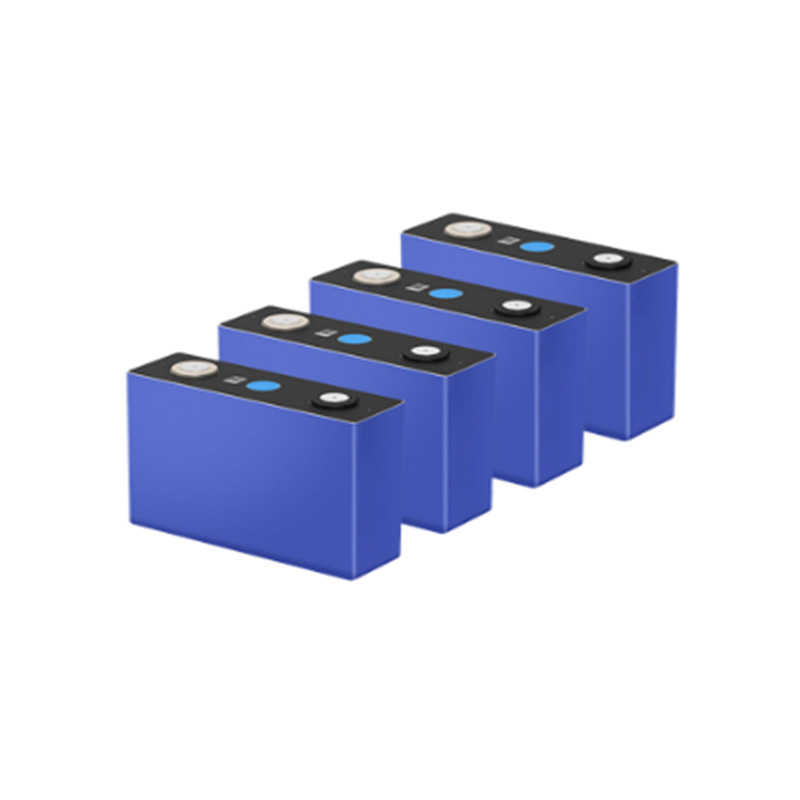
Key safety features include:
Stable cathode material: The iron phosphate cathode is chemically stable, reducing the risk of overheating and combustion.
Lower risk of thermal runaway: LiFePO4 cells are less prone to rapid temperature escalation under stress or damage.
Robust structure: Prismatic cells have a rigid casing that can withstand mechanical stress better than some pouch cells.
However, safety also depends on manufacturing quality, battery management systems (BMS), and proper usage. Overcharging, physical damage, or poor thermal management can still pose risks. Therefore, using certified cells and integrating reliable BMS and cooling systems is essential for safe operation.
How Long Do LiFePO4 Prismatic Cells Last?
Battery lifespan is a key concern for both consumers and industry. LiFePO4 prismatic cells are known for their long cycle life and stable performance over time.
Cycle life: LiFePO4 cells typically offer 2,000 to 5,000 cycles at moderate depth of discharge (DoD).
Calendar life: Under proper conditions, they can last 10 to 15 years in stationary storage applications.
Capacity retention: LiFePO4 chemistry maintains capacity well over many cycles, which supports long-term reliability.
This long lifespan makes LiFePO4 prismatic cells suitable for applications such as home energy storage, backup power systems, and electric vehicles that require long-term performance and low replacement costs.
Are LiFePO4 Prismatic Cells Cost-Effective?
Cost is a major public concern, especially for large-scale energy storage projects and consumer products. LiFePO4 cells are generally less expensive than high-nickel chemistries because they do not require cobalt or nickel, which are costly and subject to supply chain volatility.
Key cost considerations include:
Lower material cost: Iron and phosphate are more abundant and less expensive than cobalt and nickel.
Longer lifespan: Longer cycle life reduces replacement frequency, lowering total cost of ownership.
System cost: While the cells themselves may be affordable, additional components such as BMS, thermal management, and packaging affect overall system cost.
For many applications, the balance of safety, lifespan, and cost makes LiFePO4 prismatic cells a cost-effective choice, especially where energy density is not the primary priority.
What About Environmental and Supply Chain Concerns?
Environmental impact and supply chain stability are increasingly important to consumers and industry. LiFePO4 prismatic cells have both advantages and limitations.
Reduced reliance on critical metals: LiFePO4 chemistry avoids cobalt and nickel, which are associated with environmental and ethical concerns in mining.
Recyclability: LiFePO4 cells are recyclable, and recycling technologies continue to develop. However, recycling infrastructure varies by region.
Energy-intensive production: Manufacturing lithium batteries remains energy-intensive, but the long lifespan of LiFePO4 cells can reduce environmental impact over time.
Supply chain concerns include lithium availability and manufacturing capacity. While iron and phosphate are abundant, lithium remains a key resource, and its supply and price can affect the battery market. Manufacturers and governments are investing in recycling and alternative sources to address these concerns.
LiFePO4 prismatic cells are a growing choice for energy storage and electric mobility due to their safety, long lifespan, and cost advantages. Public concerns about safety, durability, cost, and environmental impact are valid and can be addressed through proper system design, certified manufacturing, and responsible usage. While LiFePO4 prismatic cells may not offer the energy density, they provide a balanced and reliable option for many modern applications, especially where safety and long-term performance are priorities.

 English
  Building 33, Demonstration Park, No. 318 Chenguang Road, Eastern New District, Wenling City, Taizhou City, Zhejiang Province, China
  0086-576-86337978
  0086-576-86333878
 boo@zjmgmm.com