 boo@zjmgmm.com / 958587858@qq.com
 English
 русский
 Español
 عربى

OEM brake cable sourcing requires careful coordination between product specifications, manufacturing processes, and quality requirements. A cable that looks similar to an original component may still differ in length, inner wire construction, end fittings, or operating characteristics. Such differences can create installation difficulties and affect the performance of the braking system. Buyers evaluating brake cable manufacturers should therefore examine technical capabilities and production controls rather than relying entirely on quotations and product catalogues.
At Zhejiang Mega Mei Machinery Co., Ltd. (Mega Mei), we understand the requirements of motorcycle and automotive component sourcing. Our experience in manufacturing brake lines, accelerator cables, and related components helps us work with customers on application specifications and customized production requirements. The following factors provide a practical framework for evaluating an OEM manufacturing partner.

1. Examine Manufacturing Experience and Product Range
Manufacturing experience gives buyers an indication of whether a supplier understands cable construction and application requirements. A factory producing different types of motorcycle cables may have experience with wire processing, outer housing assembly, end fittings, and dimensional inspection.
Before starting cooperation, buyers should review:
- Experience with motorcycle and automotive cable applications.
- Production capabilities for brake, clutch, and accelerator cables.
- Availability of customized cable structures and connection fittings.
- Experience handling OEM drawings and reference samples.
- Capacity to manage different specifications within the same project.
At Mega Mei, we support customers looking for motorcycle and automotive cable components, with attention to application compatibility and manufacturing requirements.
2. Verify Materials and Cable Construction
Material selection influences cable flexibility, corrosion resistance, mechanical strength, and service performance. Buyers should request clear material specifications instead of accepting general descriptions such as high-quality steel or durable housing.
Important construction details include:
- Inner wire: Confirm steel grade, wire diameter, strand arrangement, and surface treatment.
- Outer housing: Review the housing material, wall structure, flexibility, and resistance to abrasion.
- Protective coating: Check whether galvanized or other corrosion-resistant treatments are suitable for the application.
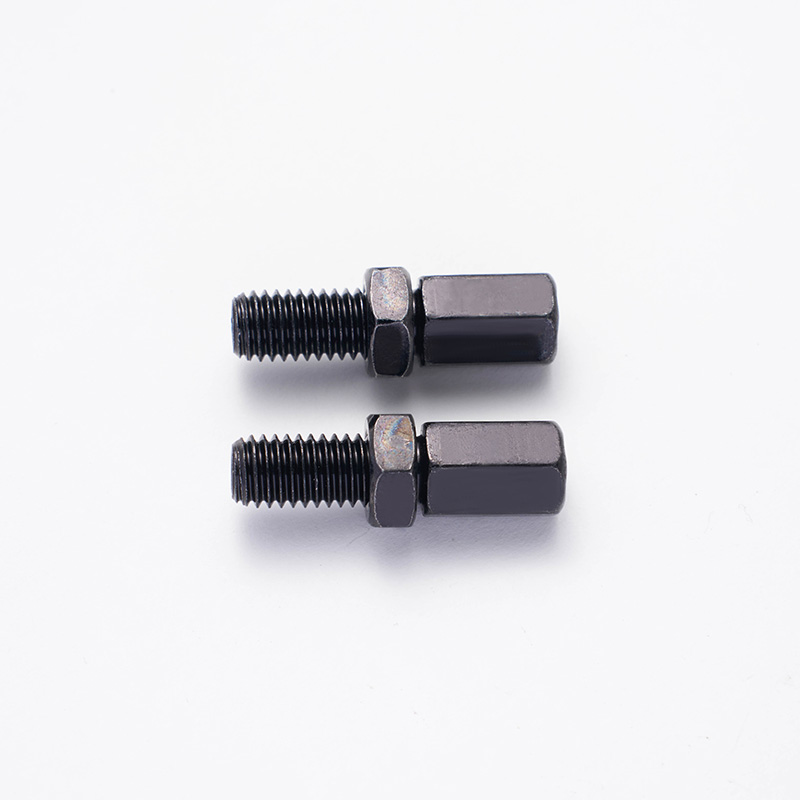
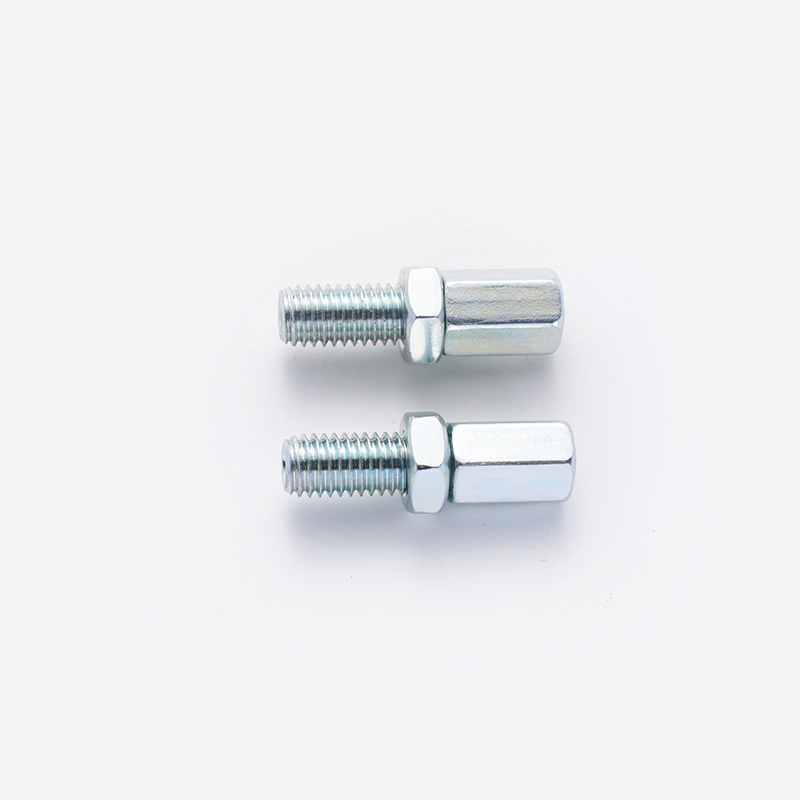
- End fittings: Verify connector materials, dimensions, crimping structures, and fixing methods.
- Lubrication: Discuss the lubrication requirements for smooth cable movement and compatibility with the housing materials.
These details should be documented in the approved technical drawing or product specification. Clear records help maintain consistency across repeat OEM orders.
3. Review Quality Inspection and Testing Procedures
Brake cable quality cannot be established through visual inspection alone. Mechanical strength, dimensional accuracy, and operating performance require appropriate testing according to the intended application.
We recommend asking prospective manufacturers about the following inspection procedures:
- Tensile or pull-force testing: Evaluates the mechanical strength of the cable assembly and its connection fittings.
- Dimensional inspection: Checks overall length, housing diameter, inner wire dimensions, and end fitting positions.
- Operational testing: Examines cable movement, flexibility, and return characteristics under specified conditions.
- Corrosion testing: Evaluates protective coatings under defined environmental test conditions.
- Endurance testing: Assesses performance after repeated operating cycles according to the product requirements.
Buyers should also request inspection records and clarify the applicable test methods, acceptance criteria, and sampling arrangements. A statement that every product is tested is not sufficient without details about the actual procedure.
4. Request Samples Before OEM Mass Production
Sample evaluation provides an opportunity to identify specification differences before larger production orders begin. Buyers should compare samples with original components or approved technical drawings.
During sample approval, pay attention to:
- Cable length and installation routing.
- Compatibility of both end connections.
- Inner wire movement and housing flexibility.
- Surface finish and assembly appearance.
- Mechanical performance under the specified testing conditions.
Any changes made after sample approval should be documented. This includes material substitutions, dimensional adjustments, and changes to cable fittings. Maintaining an approved sample and revision-controlled drawing provides a useful reference for subsequent production batches.
5. Evaluate OEM Customization and Production Management
Different vehicle platforms may require different cable lengths, mounting structures, and connection configurations. OEM buyers should check whether a manufacturer can handle customized specifications rather than offering only fixed catalogue products.
Relevant cooperation capabilities include:
- Customized cable dimensions and end fittings.
- Product development based on customer drawings or samples.
- Private-label packaging and product identification.
- Production planning for multiple cable references.
- Batch identification and quality documentation.
At Mega Mei, we welcome OEM inquiries from distributors, importers, and motorcycle component brands. Our team can review technical drawings and application details to discuss suitable manufacturing arrangements.
6. Compare Suppliers Beyond the Quoted Price
Price is an important part of OEM purchasing, but the overall sourcing decision should also consider inspection capabilities, communication, production capacity, and after-sales support.
Before confirming cooperation, buyers should clarify quotation validity, sample costs, production schedules, packaging arrangements, payment terms, and procedures for handling quality claims. Suppliers should also explain how they manage material changes and production deviations.
A manufacturer that provides clear technical answers and documented production controls can make OEM project management more predictable. These factors deserve consideration alongside unit pricing during supplier comparisons.
Establish Clear Standards for OEM Brake Cable Sourcing
Evaluating an OEM brake cable supplier involves more than reviewing factory photographs or comparing quotations. Manufacturing experience, material specifications, testing procedures, sample approval, customization capabilities, and batch consistency all deserve attention.
At Zhejiang Mega Mei Machinery Co., Ltd., we focus on motorcycle and automotive cable manufacturing, including brake lines and accelerator cables. We work with customers to understand their application requirements and discuss suitable production solutions. Importers and OEM buyers are welcome to contact Mega Mei with product drawings, reference samples, or purchasing specifications to discuss their brake cable projects.
Frequently Asked Questions (FAQ)
1. What documents should OEM buyers request from a brake cable manufacturer?
Relevant documents may include technical drawings, material specifications, product inspection reports, sample approval records, and applicable quality certificates. The required documentation depends on the vehicle application and destination market.
2. Can brake cable dimensions be customized for different motorcycle models?
Yes. Cable length, housing construction, inner wire dimensions, and end fittings can be developed according to approved drawings or reference samples. Compatibility should be verified before production approval.
3. Which tests are relevant to OEM brake cable production?
Typical evaluation procedures include dimensional inspection, tensile testing, operational checks, corrosion testing, and endurance testing. The actual test plan should follow the product design and applicable vehicle requirements.
4. How can buyers maintain consistent quality across repeat orders?
Maintain approved samples, controlled technical drawings, documented inspection criteria, and batch records. Any material or structural changes should receive written approval before implementation.

 English
 Building 33, Demonstration Park, No. 318 Chenguang Road, Eastern New District, Wenling City, Taizhou City, Zhejiang Province, China
 0086-576-86337978
 0086-576-86333878
 boo@zjmgmm.com
