 boo@zjmgmm.com / 958587858@qq.com
 English
 русский
 Español
 عربى
عربى
Motorcycle performance is influenced by many factors, including engine output, suspension design, braking ability, and overall vehicle balance. While riders often focus on major systems, small mechanical components can also affect handling, stability, and riding confidence. With the development of customization and performance upgrades, precision-machined components have become increasingly popular among motorcycle enthusiasts.
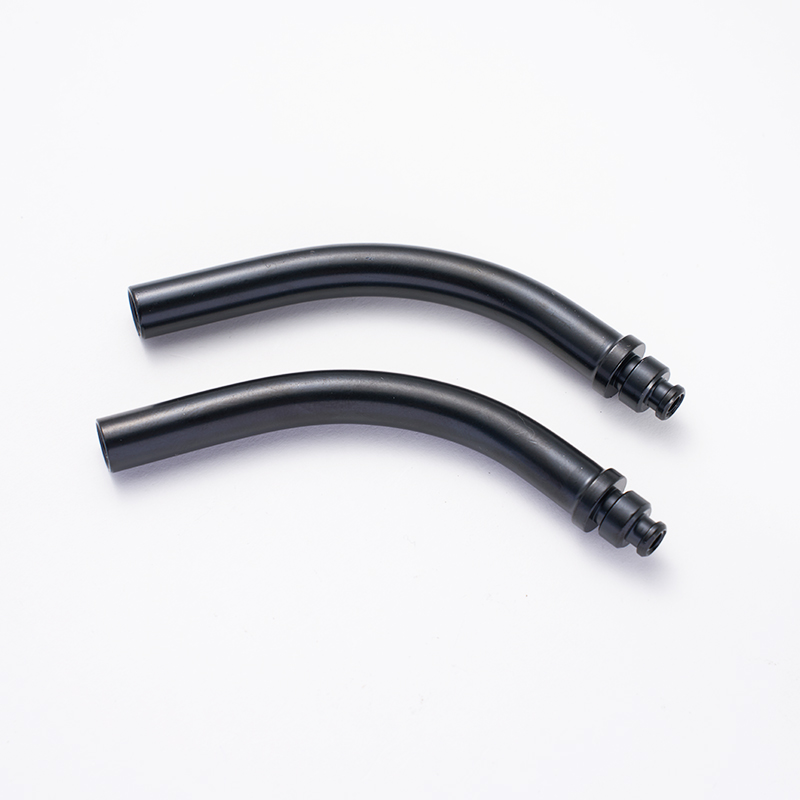
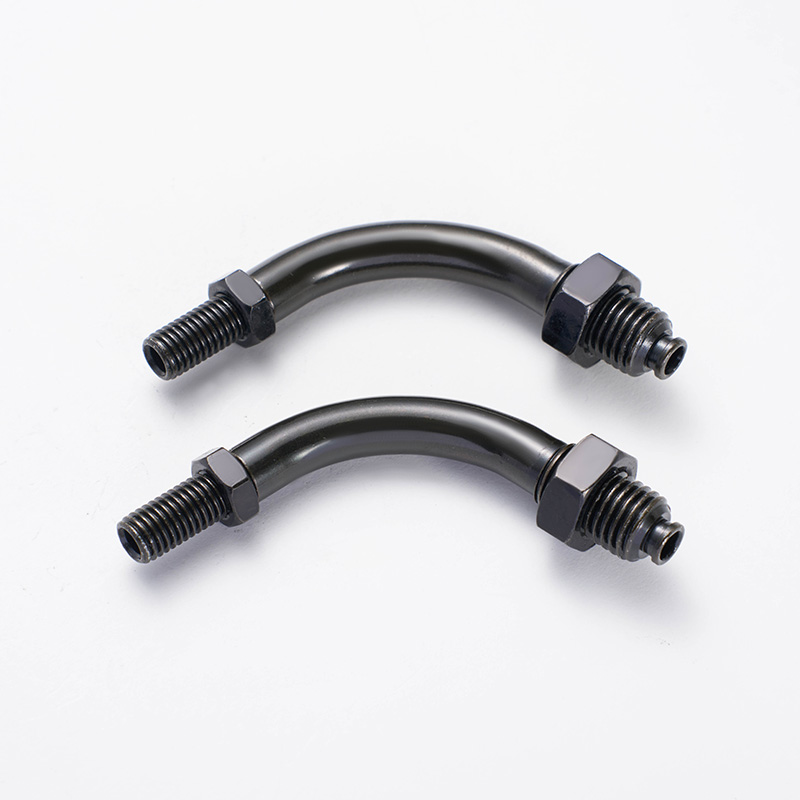
Precision CNC Motorcycle Parts provide accurate dimensions, consistent quality, and flexible design options for different motorcycle applications. Using computer-controlled machining technology, these components can achieve complex shapes and tight tolerances that support better fitment and reliable operation. From engine covers and suspension components to brake accessories and control parts, CNC machining has expanded the possibilities of motorcycle upgrades.

Accurate Dimensions Improve Component Fitment
Motorcycle systems rely on multiple parts working together with precise alignment. A small dimensional difference in a mounting point, connection surface, or rotating component may affect assembly accuracy and long-term performance.
CNC machining allows manufacturers to produce components according to detailed digital designs with controlled dimensions. This accuracy helps motorcycle parts achieve better integration with existing systems.
- Precise mounting holes improve installation stability.
- Accurate surface dimensions reduce unnecessary movement between connected parts.
- Consistent machining tolerances support repeatable replacement performance.
- Detailed geometries allow complex structures to be produced efficiently.
For performance motorcycles, accurate fitment is especially important because suspension, braking, and drivetrain components often operate under high loads and repeated vibration.
Lightweight CNC Components Support Better Handling
Weight reduction is a common goal among motorcycle riders, especially in racing and customized applications. Reducing unnecessary weight can improve acceleration response, cornering flexibility, and overall riding feel.
Many CNC motorcycle parts are produced from lightweight materials such as aluminum alloys. Materials like 6061 aluminum and 7075 aluminum are widely used because they combine relatively low weight with suitable mechanical strength for different applications.
- Aluminum 6061: Commonly used for brackets, covers, clamps, and structural accessories.
- Aluminum 7075: Offers higher strength for performance-oriented components.
- Stainless steel: Provides corrosion resistance and durability for demanding environments.
- Titanium: Used in specialized applications where weight and strength requirements are critical.
Through CNC machining, engineers can remove unnecessary material while maintaining structural requirements. This design approach allows parts to achieve a balance between weight and mechanical strength.
CNC Machining Enhances Motorcycle Control Components
Rider control depends heavily on components that connect the rider’s input with motorcycle movement. Parts such as brake levers, clutch components, handlebar clamps, and rearsets require accurate design because they directly affect ergonomics and operating response.
Precision CNC Motorcycle Parts are often used in these areas because their accurate machining helps maintain proper movement and connection between components.
- CNC brake components support accurate mounting and consistent operation.
- Machined handlebar clamps provide stable positioning.
- Custom rearsets allow riders to adjust foot positions according to riding preferences.
- Precision control parts improve the interaction between rider and motorcycle.
For riders who modify their motorcycles for touring, racing, or personalized riding styles, CNC components offer additional design flexibility compared with standard mass-produced parts.
Engine and Performance Systems Benefit from CNC Accuracy
Engine-related motorcycle components often require strict dimensional control because they operate under heat, pressure, and continuous movement. CNC machining is commonly applied to parts that require accurate surfaces and complex designs.
Typical CNC motorcycle engine applications include:
- Engine covers and protective housings.
- Cylinder head-related components.
- Transmission and drivetrain accessories.
- Custom mounting brackets and supporting structures.
Accurate machining helps maintain proper assembly relationships between components. This is important for reducing unwanted vibration and supporting stable mechanical operation.
Surface Finishing Adds Functional and Visual Value
CNC machining creates accurate shapes, but surface treatment also plays an important role in motorcycle component performance. Different finishing methods can improve corrosion resistance, surface hardness, and appearance.
- Anodizing: Improves surface protection for aluminum components.
- Polishing: Creates a smoother surface finish for decorative and functional parts.
- Coating: Provides additional protection against wear and environmental exposure.
- Laser marking: Supports product identification and customized designs.
Many motorcycle owners choose CNC parts not only for mechanical improvements but also for personalized appearance. Custom colors, textures, and finishes allow riders to create unique motorcycle styles.
Customization Demand Expands CNC Motorcycle Applications
Motorcycle customization continues to grow as riders look for components that match specific riding requirements. Standard replacement parts may not always satisfy unique design preferences, especially for modified motorcycles.
CNC machining provides flexibility for producing custom shapes, limited production parts, and specialized components. This makes it suitable for both performance upgrades and restoration projects.
- Custom builders use CNC parts for unique motorcycle designs.
- Racing applications require components with accurate dimensions and reduced weight.
- Restoration projects benefit from CNC reproduction of discontinued parts.
- Daily riders use CNC accessories to improve comfort and appearance.
Quality Inspection Ensures Reliable Performance
Precision components require careful inspection because motorcycles operate under dynamic conditions. Dimensional accuracy, surface quality, and material properties all influence the final performance of a part.
Common inspection methods for CNC motorcycle components include:
- Dimensional measurement to verify design accuracy.
- Surface inspection to evaluate finishing quality.
- Material testing to confirm mechanical properties.
- Assembly testing to check compatibility.
These processes help ensure that CNC components maintain stable performance during real motorcycle operation.
Precision machining has changed the way motorcycle components are designed and upgraded. From improving fitment accuracy to supporting lightweight structures and customized designs, CNC technology provides new opportunities for motorcycle development.
Precision CNC Motorcycle Parts continue to play an important role in performance upgrades, replacement solutions, and personalized builds. As riders look for better control, improved durability, and unique designs, precision-machined components will remain a valuable part of modern motorcycle development.

 English
  Building 33, Demonstration Park, No. 318 Chenguang Road, Eastern New District, Wenling City, Taizhou City, Zhejiang Province, China
  0086-576-86337978
  0086-576-86333878
 boo@zjmgmm.com