 boo@zjmgmm.com / 958587858@qq.com
 English
 русский
 Español
 عربى

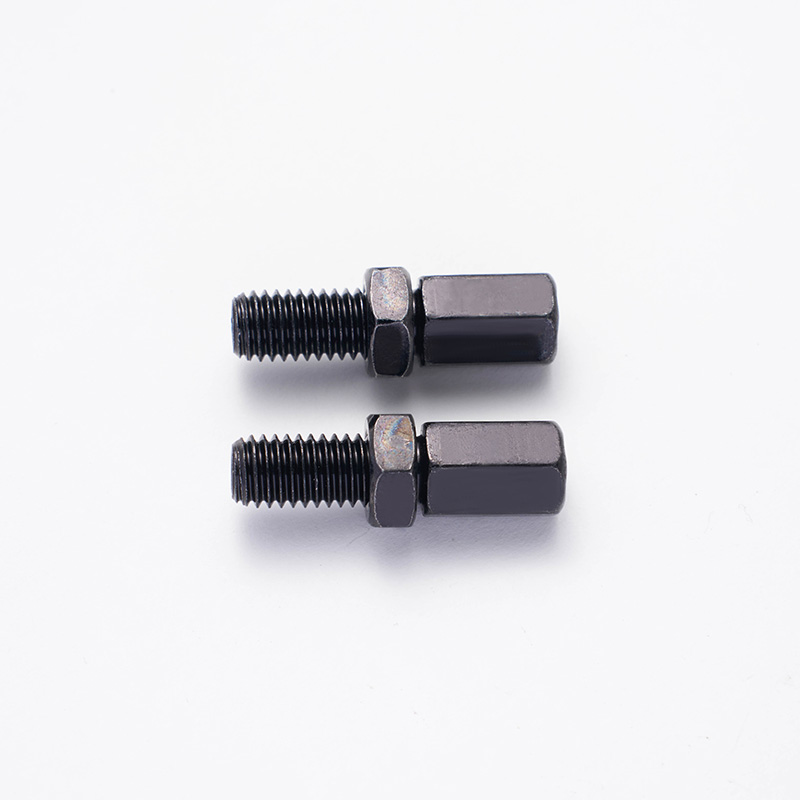
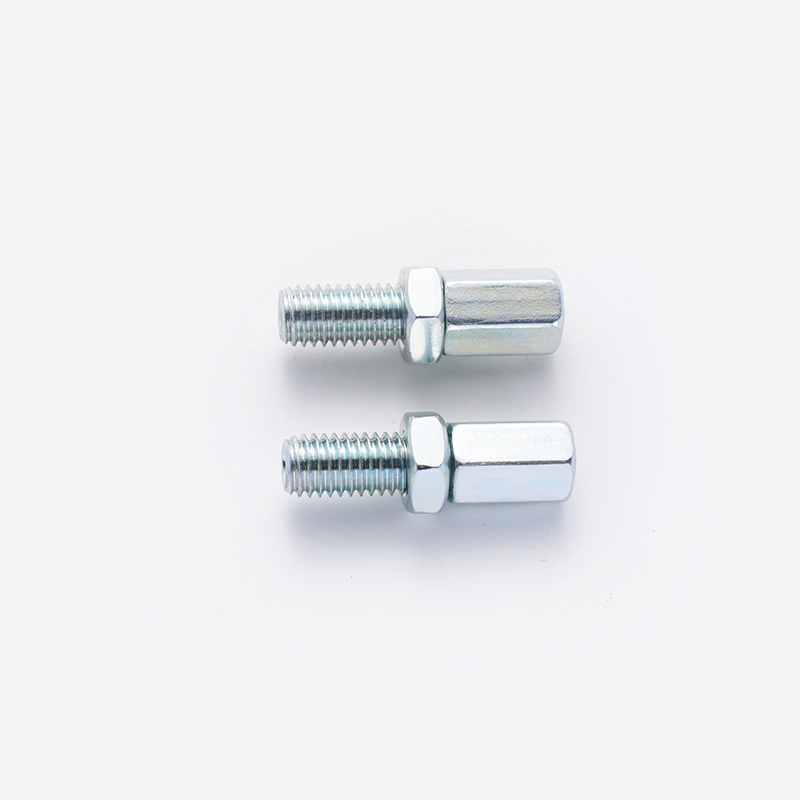
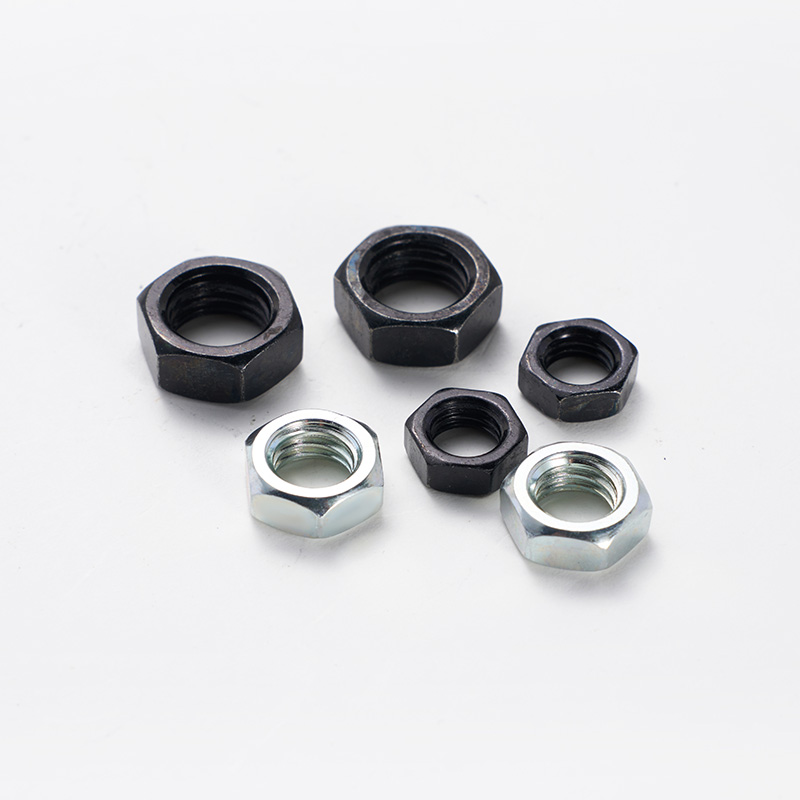
Small fastening components can create significant challenges during motorcycle parts procurement. A brake cable bolt may appear to be a standard hardware item, but differences in thread pitch, overall length, head design, and material can affect installation compatibility. For importers and wholesale distributors, incorrect specifications may result in assembly difficulties, additional inspection work, and unnecessary replacement costs.
At Zhejiang Mega Mei Machinery Co., Ltd., we understand the importance of component compatibility in motorcycle cable applications. Our experience in manufacturing brake lines, accelerator cables, and related automotive components allows us to recognize the technical details that buyers should consider during sourcing. Before confirming a bulk order, we recommend reviewing the following specifications.

1. Confirm Thread Diameter and Pitch
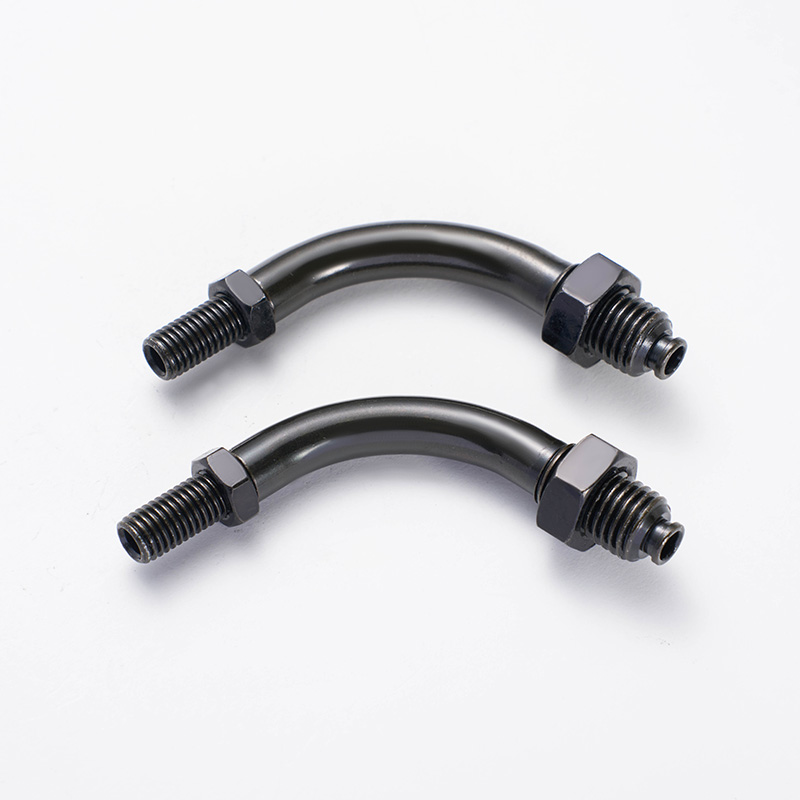
Thread dimensions are essential purchasing details. A bolt with the correct outside diameter may still be incompatible with the mounting component because its thread pitch is different.
Buyers should confirm:
- Thread diameter: The nominal outside diameter of the threaded section, commonly expressed in millimeters.
- Thread pitch: The distance between adjacent thread peaks.
- Thread type: Confirm whether the application uses metric or another thread standard.
- Thread length: Check the usable threaded section required for installation.
For reference, M6 × 1.0 indicates a nominal thread diameter of 6 mm and a pitch of 1.0 mm. M8 × 1.25 indicates an 8 mm diameter and a 1.25 mm pitch. These are examples of common metric specifications, not universal requirements for every motorcycle brake cable application.
We recommend checking the original component or engineering drawing rather than identifying a replacement through appearance alone. A thread gauge and accurate measuring tools can help verify the specification.
2. Measure Overall Length and Connection Dimensions
Correct dimensions help ensure that a fastener fits the intended mounting position. Buyers should distinguish between overall length, shank length, threaded length, and head height when preparing an inquiry.
Additional measurements may include:
- Head diameter and head thickness.
- Shank diameter and unthreaded length.
- Washer dimensions and seating surface.
- Slot, hex, or socket dimensions.
- Clearance around the cable adjustment mechanism.
For example, a cable adjuster bolt may require sufficient threaded engagement while retaining enough adjustment space for cable tension settings. An incorrectly sized component can interfere with installation or reduce the available adjustment range.
3. Evaluate Material and Mechanical Properties
Material selection should reflect the fastening position, mechanical loads, environmental exposure, and applicable design requirements. Carbon steel, alloy steel, stainless steel, and aluminum alloy are used in different motorcycle hardware applications.
- Carbon steel: A practical option for general fastening applications, usually combined with suitable surface protection.
- Alloy steel: Available in different strength grades for applications requiring defined mechanical properties.
- Stainless steel: Provides corrosion resistance for suitable outdoor environments, although its strength and grade must still match the application.
- Aluminum alloy: Offers lower weight and can be suitable for certain adjustment or non-critical hardware components.
Buyers should request material grades and mechanical property documentation rather than relying on general descriptions. Fasteners used in safety-related brake assemblies must follow the original equipment manufacturer's specifications and applicable engineering requirements. A lighter material or higher strength grade is not automatically an appropriate substitute.
4. Check Surface Treatment and Corrosion Resistance
Motorcycle fasteners are exposed to rain, road moisture, dirt, and temperature changes. Surface treatment can influence corrosion resistance and long-term appearance.
Depending on the material and application, buyers may consider zinc plating, nickel plating, black oxide, or suitable passivation treatments. Each process has different characteristics, and the selected finish should be compatible with the base material and intended environment.
During supplier evaluation, we recommend confirming:
- Coating type and specified thickness.
- Surface appearance and coating uniformity.
- Corrosion test requirements and acceptance criteria.
- Compatibility with mating components and installation conditions.
5. Verify Cable Assembly Compatibility
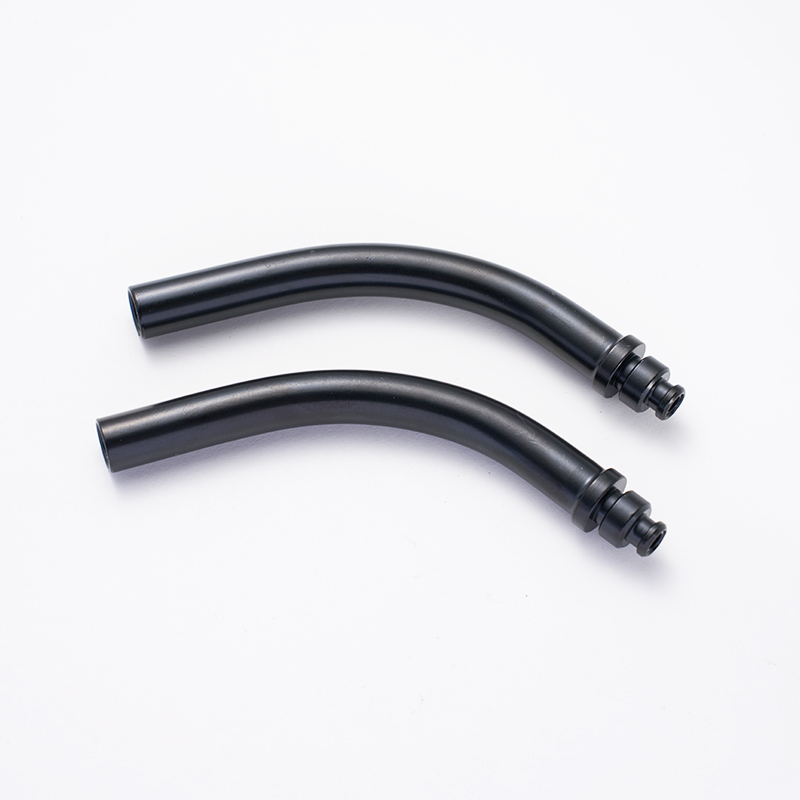
A brake cable bolt should not be evaluated independently from its related cable assembly. Buyers need to understand how the fastener connects with the cable end, adjuster, bracket, or mounting structure.
We recommend checking the following details:
- Compatibility with the original cable end fitting.
- Correct positioning within the mounting bracket.
- Sufficient adjustment range without interference.
- Appropriate thread engagement and tightening requirements.
- Resistance to loosening under specified operating conditions.
For OEM projects, reference samples and technical drawings provide useful information for checking these interfaces. We encourage customers to share the complete assembly details instead of sending only a photograph of an individual bolt.
6. Establish Inspection Requirements Before Bulk Ordering
Consistent dimensions and material properties are important for distributors managing repeat purchases. A clear inspection plan helps identify deviations before products enter the customer's assembly or distribution process.
Relevant quality checks may include thread inspection, dimensional measurement, visual examination, material verification, and coating evaluation. Mechanical testing should follow the applicable product specification and intended application.
At Mega Mei, we value clear technical communication and documented product requirements. Buyers should also discuss batch identification, sampling arrangements, inspection reports, and procedures for handling nonconforming components before confirming an order.
7. Prepare a Complete Fastener Purchasing Specification
A structured inquiry makes supplier communication more efficient. We recommend including the following information:
- Product name and OEM reference number.
- Thread diameter, pitch, and thread length.
- Overall length, head dimensions, and shank details.
- Material grade and mechanical property requirements.
- Surface treatment and corrosion testing requirements.
- Related cable assembly or motorcycle model.
- Required order volume, packaging, and destination market.
Drawings, original samples, and photographs with measurement references can further improve specification accuracy. These records also provide a consistent basis for quotation, sample approval, and repeat orders.
Conclusion
Reliable brake cable fastener sourcing depends on accurate specifications and proper application verification. Thread pitch, dimensions, material properties, surface treatment, and assembly compatibility all deserve attention before bulk purchasing begins.
At Zhejiang Mega Mei Machinery Co., Ltd., we focus on motorcycle and automotive cable manufacturing, including brake lines and accelerator cables. We understand the importance of coordinating cable components with their mounting and connection requirements. Importers, wholesalers, and OEM customers are welcome to contact Mega Mei with technical drawings, reference samples, or product specifications to discuss their sourcing projects.
Frequently Asked Questions (FAQ)
1. Can two brake cable bolts with the same diameter be interchangeable?
Not necessarily. Thread pitch, length, head design, material, and mounting requirements may differ. Buyers should verify all relevant dimensions before approving a replacement.
2. Which measurements should be included in a brake cable bolt drawing?
A technical drawing should identify thread diameter and pitch, overall length, thread length, shank dimensions, head geometry, tolerances, and material requirements. Surface treatment should also be specified where applicable.
3. Is stainless steel suitable for every motorcycle brake fastener?
No. Stainless steel offers corrosion resistance, but its mechanical properties and compatibility must match the intended application. Safety-related fastening positions should follow the vehicle manufacturer's specified material and strength requirements.
4. Can buyers request customized brake cable fasteners?
Customized dimensions, thread specifications, head structures, and surface treatments may be discussed according to drawings and application requirements. Technical evaluation and sample approval should take place before production confirmation.

 English
 Building 33, Demonstration Park, No. 318 Chenguang Road, Eastern New District, Wenling City, Taizhou City, Zhejiang Province, China
 0086-576-86337978
 0086-576-86333878
 boo@zjmgmm.com
