 boo@zjmgmm.com / 958587858@qq.com
 English
 русский
 Español
 عربى
عربى
Cylindrical cells supply are used in a variety of applications, from portable electronics to power tools, electric vehicles, and energy storage systems. Cylindrical cells are designed to provide stable voltage, reliable performance, and ease of assembly in battery packs. Among the various types of cylindrical cells, three are commonly used: lithium-ion cylindrical cells, nickel-metal hydride (NiMH) cylindrical cells, and alkaline cylindrical cells. Each type has specific characteristics, applications, and performance features.
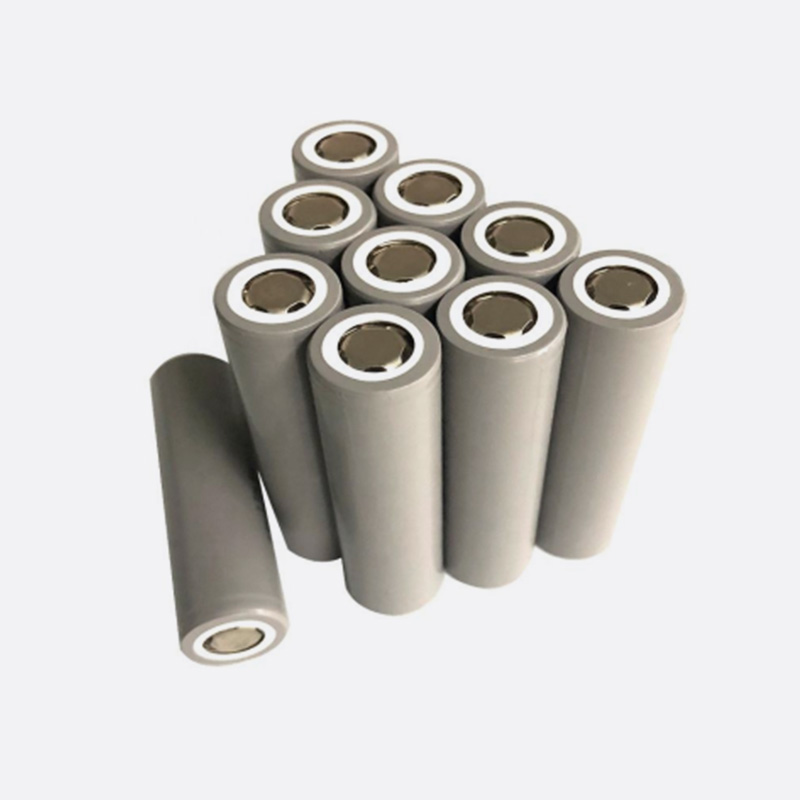
Lithium-Ion Cylindrical Cells and Their Applications
Lithium-ion cylindrical cells are widely used due to their energy density, consistent voltage output, and rechargeability. These cells use a lithium-based chemistry in the cathode and anode, which allows for multiple charge and discharge cycles. The cylindrical design facilitates heat dissipation and structural integrity, which is important for high-current applications.
Common lithium-ion cylindrical cell sizes include 18650, 21700, and 26650, with the numbers indicating diameter and length in millimeters. These cells are often used in laptops, flashlights, e-bikes, electric vehicles, and portable power tools. They provide a nominal voltage of 6–7 volts per cell, and their capacity varies depending on the manufacturer and size. Safety features such as overcharge protection, thermal management, and pressure vents are often included to minimize risks during operation. Lithium-ion cylindrical cells are chosen in applications where moderate to high energy density, rechargeability, and long cycle life are required.
Nickel-Metal Hydride Cylindrical Cells for Rechargeable Applications
Nickel-metal hydride (NiMH) cylindrical cells are another commonly used type of cylindrical battery. These cells use a nickel oxide hydroxide cathode and a hydrogen-absorbing alloy anode. NiMH cells are known for their rechargeability, moderate energy density, and relatively low environmental impact compared with some other chemistries.
NiMH cylindrical cells are often used in consumer electronics, cordless phones, digital cameras, and rechargeable household devices. They provide a nominal voltage of 2 volts per cell and can tolerate repeated charging and discharging cycles with proper care. These cells are also available in standard sizes such as AA and AAA, making them convenient replacements for traditional disposable batteries. While their energy density is lower than that of lithium-ion cells, NiMH cylindrical cells are often preferred in applications requiring moderate power output and safety in handling. They also perform relatively well in a range of temperatures, which supports reliable operation in daily-use devices.
Alkaline Cylindrical Cells for Single-Use Applications
Alkaline cylindrical cells are widely recognized as disposable batteries that use zinc and manganese dioxide electrodes with an alkaline electrolyte. These cells are designed for single-use applications, providing stable voltage and moderate current output over their shelf life.
Alkaline cylindrical cells are available in standard sizes such as AA, AAA, C, D, and 9V, making them suitable for a wide variety of household devices, including remote controls, flashlights, clocks, and small toys. The nominal voltage for a single alkaline cell is 5 volts, and their energy capacity depends on the size and manufacturer. These cells are valued for their availability, ease of use, and reasonable energy output. While they are not rechargeable, their long shelf life and stability in storage make them suitable for emergency or low-use applications. Alkaline cylindrical cells are often chosen when convenience, low maintenance, and immediate availability are priorities.
Considerations for Choosing Cylindrical Cells
Selecting the appropriate cylindrical cell depends on factors such as energy requirements, device voltage, rechargeability, and environmental considerations. Lithium-ion cylindrical cells are suitable for applications requiring high energy density, moderate voltage, and multiple recharge cycles. NiMH cylindrical cells are appropriate when moderate energy density, rechargeability, and safety are important. Alkaline cylindrical cells are convenient for devices that need stable, single-use power and low maintenance.
Other considerations include cell size, current output, temperature tolerance, and cost. Battery packs may combine multiple cylindrical cells to achieve the desired voltage and capacity, and proper thermal management is important to maintain performance and prevent damage. Users should also consider the environmental impact and recycling requirements for each type of cell. By understanding the characteristics and applications of each type, users and manufacturers can select cylindrical cells that meet operational requirements efficiently and safely.

 English
  Building 33, Demonstration Park, No. 318 Chenguang Road, Eastern New District, Wenling City, Taizhou City, Zhejiang Province, China
  0086-576-86337978
  0086-576-86333878
 boo@zjmgmm.com