 boo@zjmgmm.com / 958587858@qq.com
 English
 русский
 Español
 عربى
عربى
Historical Emergence of Prismatic Cells
Prismatic Cells Custom appeared in the early 1990s as lithium-ion technology became more commercially viable. Initially, cylindrical cells dominated the market due to their simplicity in manufacturing and established design. However, for applications that required compact and space-efficient battery packs, such as mobile electronics and electric vehicles, cylindrical shapes were not .
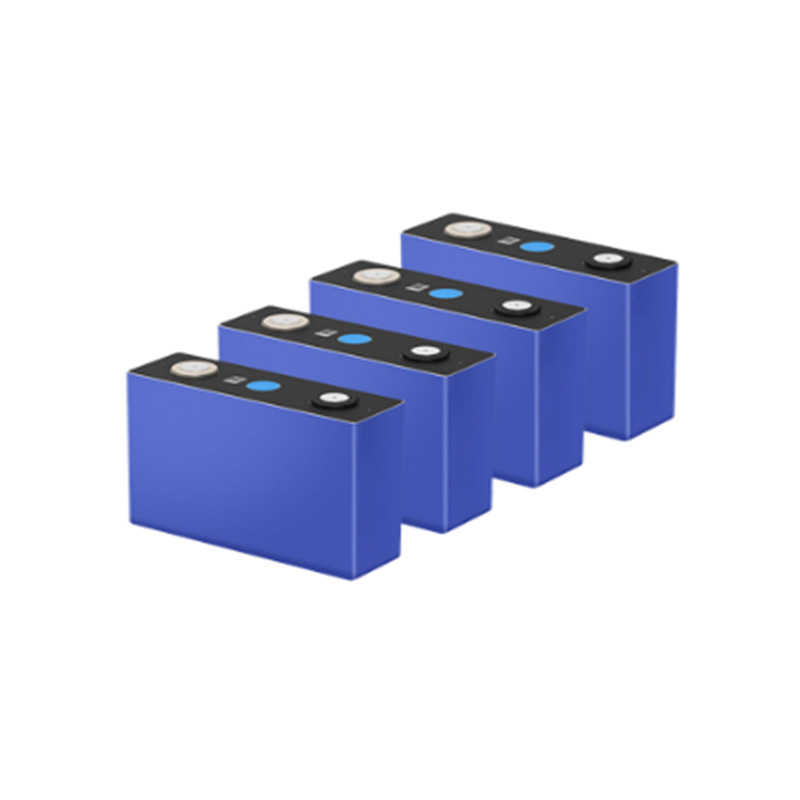
Custom prismatic cells were developed to address this limitation. Their flat, rectangular design allows multiple cells to be stacked or arranged side by side with minimal wasted space. Early prismatic cells focused on small capacities for consumer electronics, but as demand for higher energy storage grew, manufacturers began producing larger cells with higher capacities. This initial emergence marked the transition from standard lithium-ion cells to more application-specific designs.
Material Evolution
The development of custom prismatic cells has been closely tied to advances in battery materials. Early cells used conventional lithium cobalt oxide (LiCoO₂) as the cathode material, which provided stable performance for smaller applications. Over time, the industry introduced alternative cathode chemistries, such as nickel-manganese-cobalt (NMC), nickel-cobalt-aluminum (NCA), and lithium iron phosphate (LFP), each offering different balances of energy density, thermal stability, and lifespan.
Anode materials also evolved from standard graphite to advanced composites, improving charge rates and cycle life. Electrolytes became more stable and efficient, reducing risks associated with thermal runaway. These material advancements allowed prismatic cells to achieve higher energy density, longer cycle life, and improved safety, making them suitable for larger-scale applications such as electric vehicles and grid storage.
Design and Structural Improvements
Design and structural changes have played a key role in the development of custom prismatic cells. Unlike cylindrical cells, prismatic cells require robust casing to maintain structural integrity and prevent leakage. Early designs used simple aluminum or steel cases, but modern prismatic cells feature reinforced cases, pressure relief mechanisms, and advanced sealing technologies.
Thermal management has also been a focus of development. Prismatic cells often include internal or external features to improve heat dissipation, such as cooling plates or conductive layers. Modular designs have been introduced to allow easier integration into battery packs and to enable efficient replacement or maintenance. These design improvements enhance the durability, safety, and performance of prismatic cells in a variety of operational environments.
Expansion of Applications
The development of custom prismatic cells has been closely linked to the expansion of their applications. Initially used in portable electronics such as laptops and cameras, prismatic cells are now commonly found in electric vehicles, energy storage systems, and specialized industrial equipment.
Custom configurations allow manufacturers to adjust cell dimensions, voltage, and capacity to fit specific product requirements. This flexibility supports the growing trend toward modular energy storage solutions, where cells can be arranged in series or parallel to achieve desired energy output and voltage. The ability to tailor prismatic cells to specific applications has contributed to their widespread adoption in industries where space efficiency, safety, and performance are essential.
Custom prismatic cells emerged in the early 1990s as a solution for applications requiring space-efficient and adaptable battery designs. Material evolution, including the introduction of advanced cathode and anode materials and stable electrolytes, improved energy density, safety, and cycle life. Structural and design improvements enhanced durability, thermal management, and integration into larger battery packs. Finally, the expansion of applications, from portable electronics to electric vehicles and energy storage systems, demonstrates the adaptability and importance of custom prismatic cells. Examining these four aspects provides insight into the historical emergence and ongoing development of this type of battery technology.

 English
  Building 33, Demonstration Park, No. 318 Chenguang Road, Eastern New District, Wenling City, Taizhou City, Zhejiang Province, China
  0086-576-86337978
  0086-576-86333878
 boo@zjmgmm.com