 boo@zjmgmm.com / 958587858@qq.com
 English
 русский
 Español
 عربى
عربى
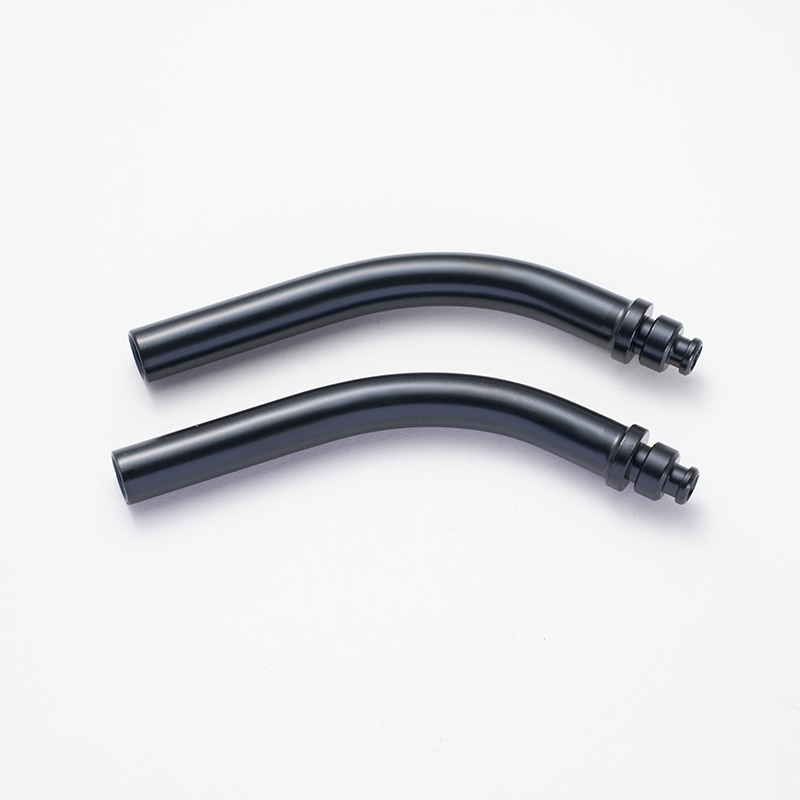
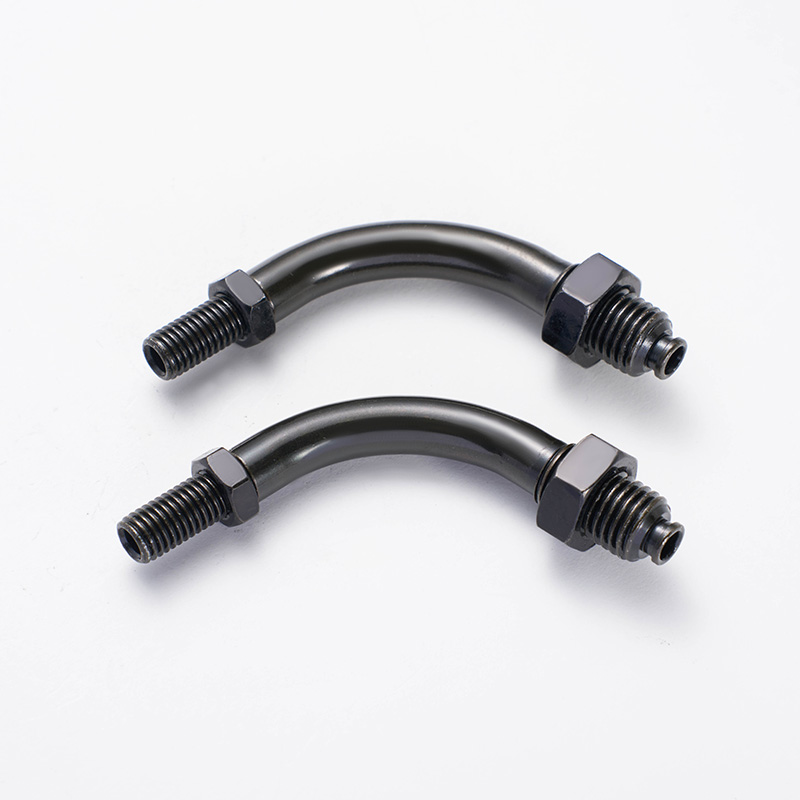
A high quality throttle cable elbow is a small but critical component in mechanical throttle linkage systems, commonly found in automotive, marine, and small engine applications. It serves as a durable, low-friction guide that changes the direction of a throttle cable, ensuring precise and reliable control of engine speed. Its construction is defined by specific materials and tolerances that distinguish it from standard parts. Understanding this component involves analyzing its defining characteristics, the functional needs it addresses, and the manufacturing challenges inherent in producing a reliable, long-lasting part.
What is a High Quality Throttle Cable Elbow?
A high quality throttle cable elbow is characterized by its material composition, precision, and integrated features designed for durability and smooth operation. Its key attributes include:
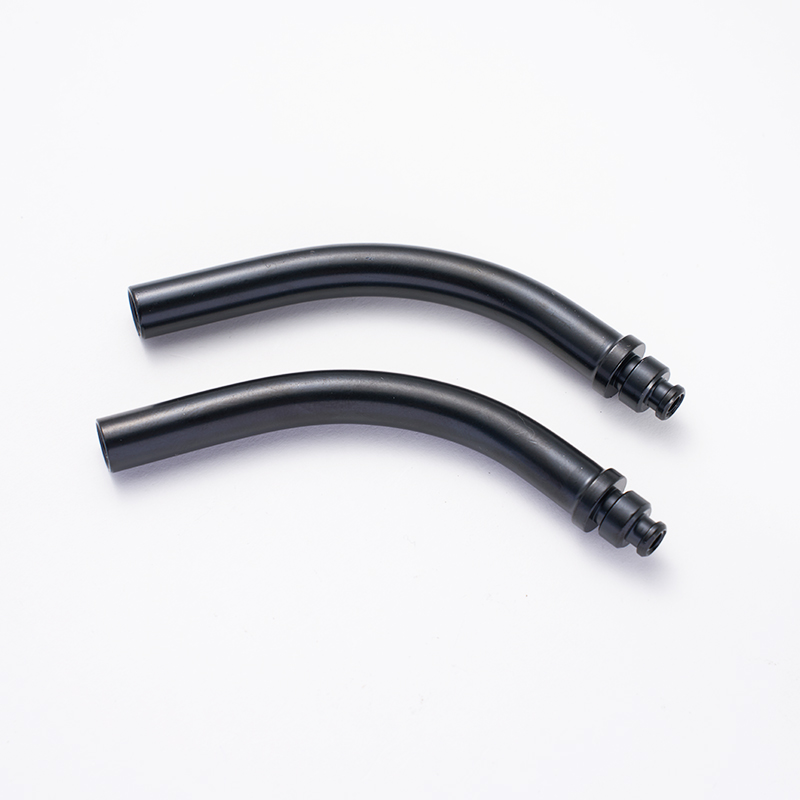
Material: The body is typically made from a high-strength engineering plastic such as nylon, acetal (e.g., Delrin), or glass-reinforced polymer. These materials offer wear resistance, low friction, and dimensional stability across a wide temperature range.
Precision Bore and Radius: The internal pathway through which the cable slides is precisely machined or molded. It has a smooth, polished surface and a carefully controlled bend radius that minimizes friction and prevents the cable from binding or wearing prematurely.
Integrated Bushing or Bearing: Many high-quality designs incorporate a low-friction bushing (often made of sintered bronze or a proprietary polymer) or a small ball bearing at the bend point. This feature further reduces cable drag and ensures consistent, smooth operation over thousands of cycles.
Robust Mounting Features: It includes secure and precise mounting points, such as threaded studs, bolt holes, or snap-in clips, designed to hold the elbow firmly in position without flexing or shifting during engine vibration.
Sealing and Environmental Protection: High-quality versions often include integrated dust boots, seals, or O-rings to prevent dirt, moisture, and grime from entering the cable pathway, which can cause corrosion and increased friction.
Why does a High Quality Throttle Cable Elbow exist?
The development and specification of a high-quality version of this component are driven by specific performance and reliability requirements in throttle systems.
Ensuring Precise Throttle Response and Control
The primary reason is to maintain accurate and immediate response between the driver's input (accelerator pedal) and the engine's throttle plate. A low-friction, precisely guided cable path minimizes hysteresis and "sticky" feeling, allowing for smooth modulation of engine power. In performance or precision applications, even minor binding or friction can detract from control.
Durability and Service Life
Throttle cables are subject to constant movement and engine vibration. A standard plastic elbow can wear, develop grooves, or crack over time, bring about increased cable drag and potential failure. A high-quality elbow, made from durable materials and often incorporating a wear-resistant bushing, is engineered to last the life of the vehicle or engine without degradation, reducing maintenance needs and the risk of stranded vehicles.
Preventing Failure in Harsh Environments
Engines operate in environments with temperature, exposure to chemicals (oil, fuel, road salt), and vibration. A high-quality elbow is designed to withstand these conditions. Its material resists cracking in cold weather and softening in engine bay heat, while its seals protect the critical bearing surface from contaminants that could cause corrosion or grit-induced wear.
High Quality Throttle Cable Elbow Manufacturing Process Issues
Producing a component that meets these quality standards presents several specific manufacturing challenges.
Achieving and Maintaining Dimensional Precision: The internal bore's surface finish, diameter, and bend radius are critical. In injection molding, achieving a perfectly smooth, flash-free surface in a curved internal channel is difficult. Slight variations in mold tooling, injection pressure, or cooling can create minute seams or imperfections that increase cable friction. For machined elbows, maintaining consistency in the bore's finish and radius across high production volumes requires precise CNC programming and regular tool inspection.
Material Selection and Consistency: The chosen polymer must have the correct balance of strength, lubricity, and thermal stability. Inconsistent resin batches can bring about variations in these properties. For example, a batch with inadequate lubricity will cause higher friction, while one that is too brittle may crack under vibration. Ensuring a consistent supply of high-grade material with certified properties is a fundamental issue.
Integration of Bushings or Bearings: Press-fitting a metal bushing or bearing into a plastic housing introduces complexity. The press fit must be tight enough to prevent rotation or dislodgement but not so tight as to crack the plastic housing. Achieving this consistently requires precise control of both the bushing's outer diameter and the housing's inner diameter. Misalignment during the pressing operation can also deform the housing or damage the bushing's inner surface.

 English
  Building 33, Demonstration Park, No. 318 Chenguang Road, Eastern New District, Wenling City, Taizhou City, Zhejiang Province, China
  0086-576-86337978
  0086-576-86333878
 boo@zjmgmm.com