 boo@zjmgmm.com / 958587858@qq.com
 English
 русский
 Español
 عربى
عربى
Transmitting Force from Lever to Brake System
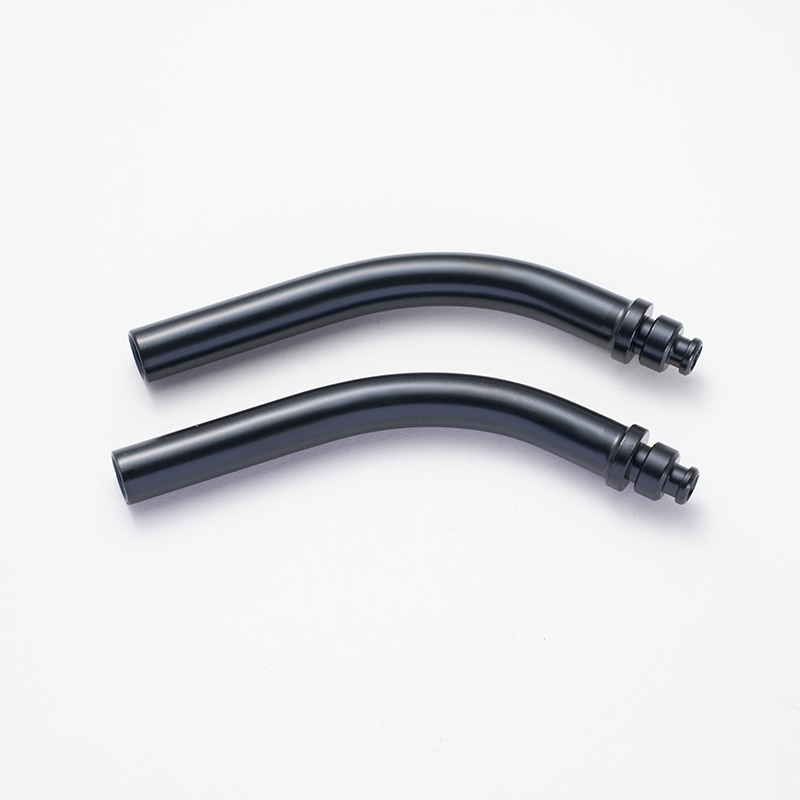
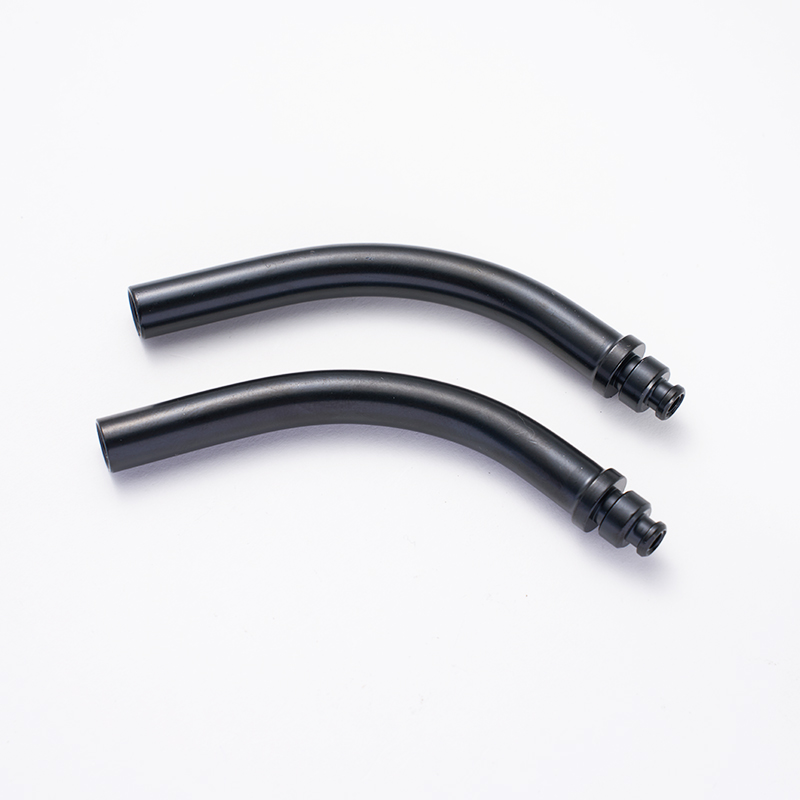
The primary function of motorcycle brake cable parts is to transmit mechanical force from the brake lever or pedal to the braking mechanism. When the rider applies pressure to the lever, the cable pulls or releases the brake components, which in turn slows down or stops the motorcycle. This mechanical linkage allows precise control of the braking system.
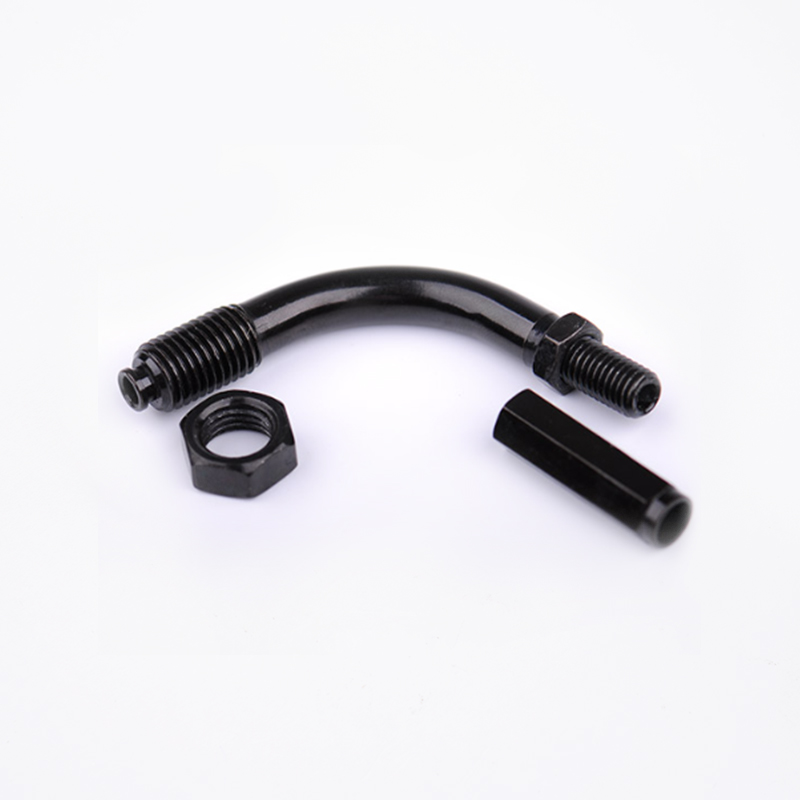
Supporting Front and Rear Brake Systems
Motorcycle brake cable parts serve both front and rear braking systems, depending on the motorcycle design. For front brakes, the cable connects the hand lever to the brake caliper or drum. For rear brakes, the cable links the foot pedal to the rear drum or caliper assembly. The cables ensure consistent and reliable force transmission for controlled braking performance.
Ensuring Smooth and Reliable Operation
Brake cables are designed to move smoothly within their housings, reducing friction and preventing sudden sticking or slipping. Properly functioning cables ensure that the brakes respond predictably when the rider applies force. Components such as cable ends, adjusters, and protective sheaths contribute to maintaining operational reliability and safety.
Adjusting Brake Tension
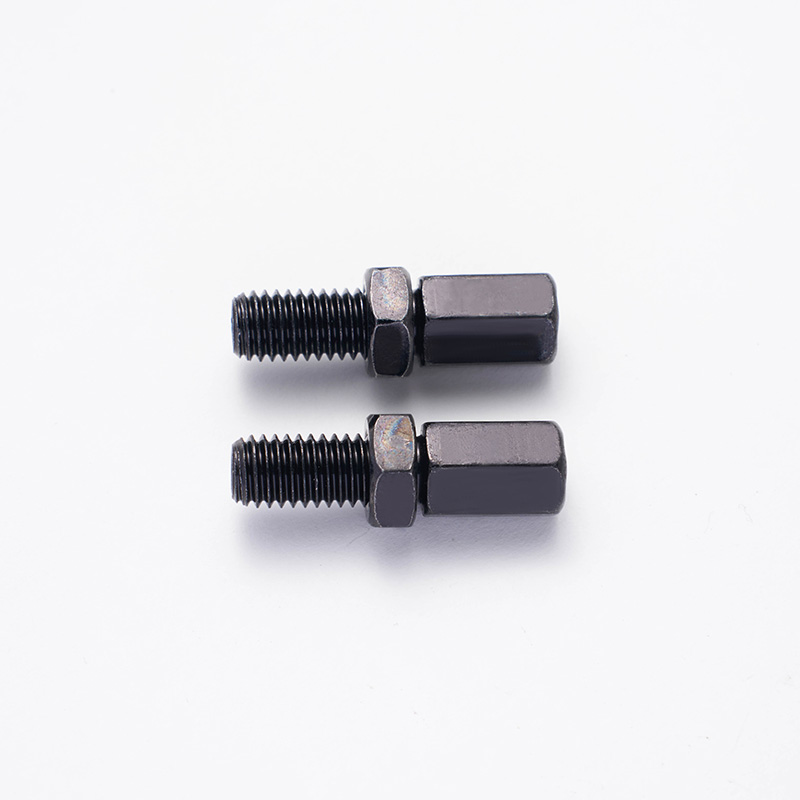
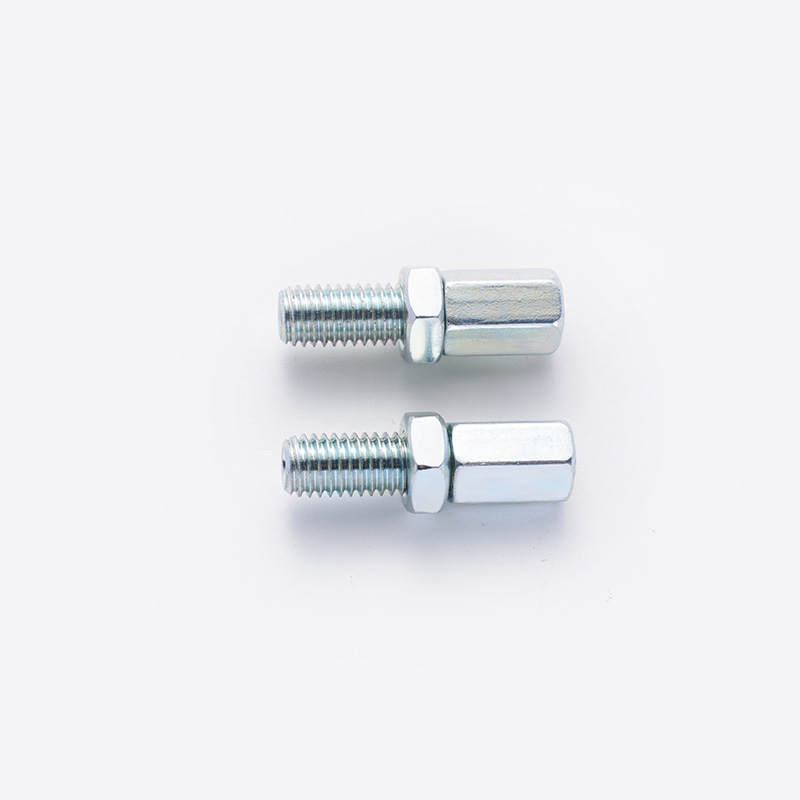
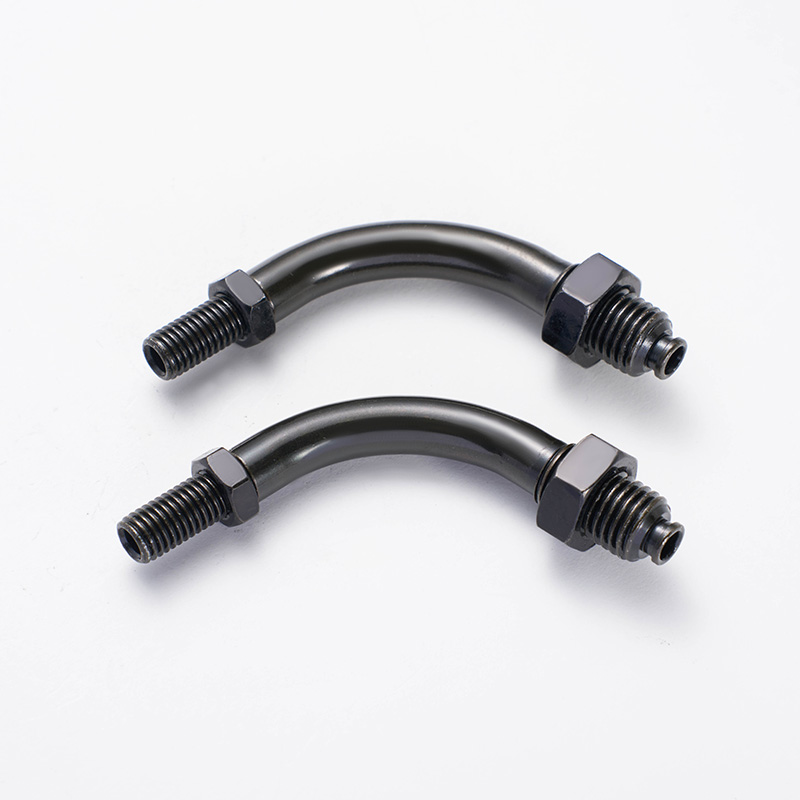
Motorcycle brake cable parts allow for tension adjustment to maintain braking performance. Over time, cables may stretch or experience wear, and adjustable components help restore proper lever travel and responsiveness without replacing the entire cable system.
Everyday Riding
Brake cables are essential for everyday riding on motorcycles. They enable the rider to safely reduce speed, stop at intersections, and navigate traffic conditions. Consistent cable performance is necessary for regular commuting and city or highway use.
Off-Road and Sport Riding
In off-road motorcycles or sport bikes, brake cable parts provide precise control during high-speed maneuvers, jumps, or sudden obstacles. Smooth and responsive cable action is crucial for maintaining stability and safety during dynamic riding conditions.
Emergency Situations
Motorcycle brake cables are used in emergency braking scenarios, allowing the rider to stop quickly when unexpected obstacles or hazards appear. Properly maintained cables help ensure that the braking system functions correctly under sudden or force application.
Mechanical Simplicity
One advantage of brake cables is their simple mechanical design. They consist of a steel inner cable, protective housing, and adjusters. This simplicity makes them easy to inspect, repair, or replace compared to more complex hydraulic brake systems.
Cost-Effective
Brake cable systems are relatively affordable to manufacture and maintain. Replacement parts, such as cables, housings, and adjusters, are widely available and can be installed without specialized tools or professional assistance.
Adjustable and Customizable
Brake cables allow for tension adjustment, ensuring consistent performance even as components wear over time. Riders can fine-tune cable length or tension to match personal preference or specific motorcycle requirements.
Reliability
With proper installation and maintenance, brake cables provide reliable force transmission and consistent braking performance. Protective housings and lubricated cables reduce friction, ensuring smooth operation over extended periods.
Lightweight and Compact
Cable systems are lightweight and occupy minimal space compared to hydraulic alternatives. This contributes to overall motorcycle efficiency, handling, and ease of routing around the frame and engine components.

 English
  Building 33, Demonstration Park, No. 318 Chenguang Road, Eastern New District, Wenling City, Taizhou City, Zhejiang Province, China
  0086-576-86337978
  0086-576-86333878
 boo@zjmgmm.com