 boo@zjmgmm.com / 958587858@qq.com
 English
 русский
 Español
 عربى
عربى
Inconsistent braking does not announce itself - it creeps in. One day the lever feels slightly softer than usual, and a few weeks later you realize you are pulling harder for the same result. Sometimes the stopping power shifts from one application to the next for no clear reason. These are not random quirks; they point to a mechanical transmission problem somewhere in the cable system. Understanding how Brake Cable Parts function within that system is where a genuine diagnosis starts - and where a reliable fix begins.
Understanding the Components and How They Work
The Core Components of a Mechanical Brake Cable System
A mechanical brake cable system is built from parts that rely on each other. Remove or degrade any one of them, and the whole chain of force transfer suffers. Here is what each piece does:
- Inner wire (inner cable): A bundle of twisted steel strands that carries pulling tension from the lever to the caliper, drum, or actuator. The wire's integrity determines how much force actually arrives at the brake.
- Outer housing (cable casing): A semi-rigid sheath that routes the inner cable and acts as the compression surface that makes the pull-and-push relationship work. It also keeps the wire away from dirt and moisture.
- End caps and ferrules: Small metal fittings at the housing ends. They keep the housing from unraveling and create a clean, sealed transition at cable stops and adjusters.
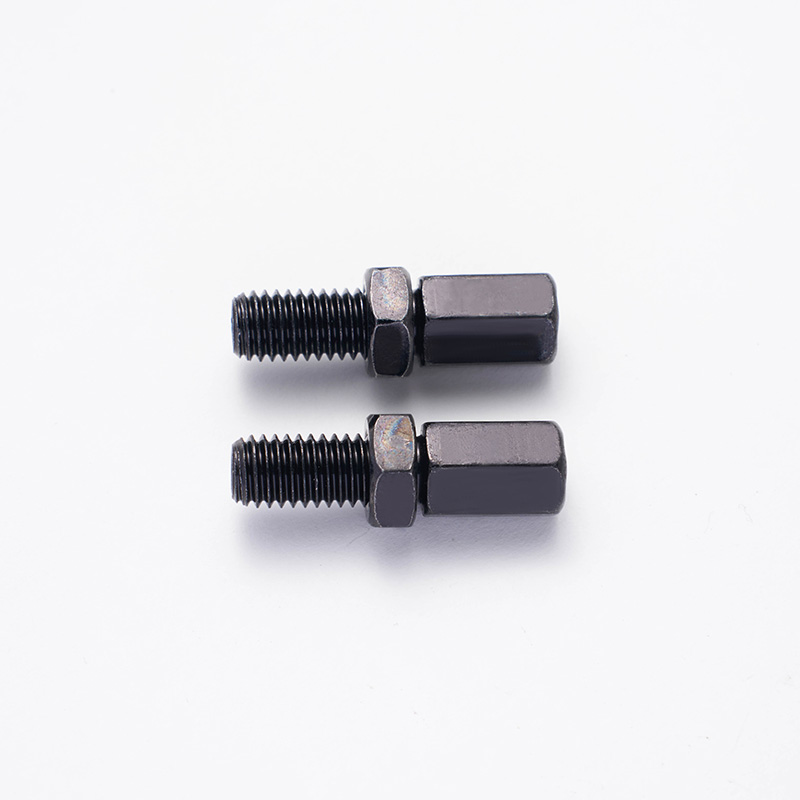
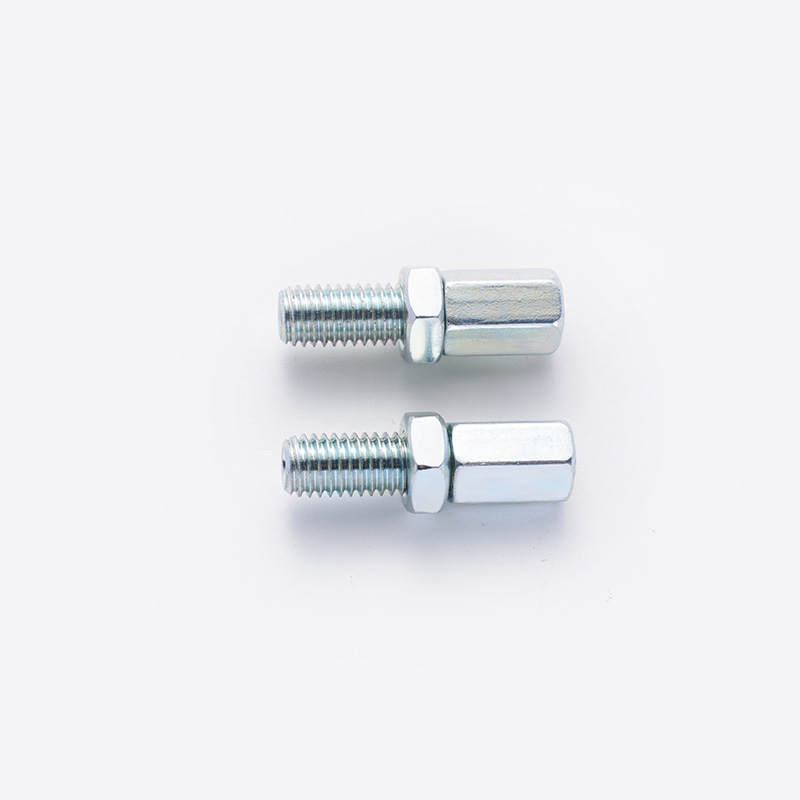
- Cable adjusters (barrel adjusters): Threaded fittings that let you dial tension in or out without touching the cable anchor. They absorb the slack that builds up from stretch and wear.
- Cable anchor bolts and clamps: The hardware that locks the inner wire to the brake actuator. If this connection shifts, all set tension is lost.
- Cable stops and guides: Fixed anchor points along the frame or body that hold the housing in position and keep the routing path free of sharp angles.
How Force Transfers Through the System
Pulling the lever puts the inner wire under tension. That tension travels along the wire to the anchor point at the brake mechanism. At the same time, the outer housing pushes against the cable stops, generating the reaction force that turns lever movement into braking action.
When everything is in sound condition, this force transfer is direct and consistent. When a component wears or corrodes, the chain breaks down at that point - and what the rider or driver feels is a brake that no longer responds the same way it did before.
Why Does Braking Response Become Unstable?
Cable Stretch and Tension Loss
A newly installed cable settles under load. The individual strands compact against each other, and this settling reduces tension. If the adjuster is not wound out to compensate after the break-in period, the result is slack - and slack means the lever has to travel further before it does anything useful.
Stretch continues beyond that early settling phase. Every braking event adds a small, cumulative elongation to the wire. Over time, lever travel grows longer and the brake feel goes progressively softer. Common signs:
- Lever travel increases before braking starts
- Braking force feels reduced compared to when the cable was fresh
- Barrel adjuster corrections are needed more and more frequently
Internal Corrosion in the Outer Housing
Water finds its way into the cable system through open housing ends, cracked end caps, or worn sections of the outer sheath. Once inside, it promotes oxidation on both the inner wire and the coiled steel of the housing itself.
Corrosion affects braking in two ways. It raises friction between the wire and the housing, so part of the lever force gets absorbed by that friction instead of reaching the brake. And it weakens individual wire strands, shrinking the effective cross-section that carries the load. Both effects push the brake response toward something that feels soft, vague, and unpredictable.
Conditions that speed up corrosion:
- High humidity or regular rain exposure
- Coastal environments or roads treated with road salt
- Industrial settings where airborne chemicals are present
- Long periods of non-use where moisture sits undisturbed inside the housing
Fraying of the Inner Wire
Wire strands fray at the places where stress concentrates: pulley bends, tight routing curves, and especially the anchor clamp. Each strand that breaks removes a portion of the load-carrying capacity.
Fraying rarely causes a clean, sudden snap. Instead, it produces a slow drift toward weaker and less consistent braking - the lever travel may stay unchanged while the actual stopping power quietly falls away. Under hard or repeated use, the response becomes unpredictable enough to be a safety concern.
Housing Friction and Routing Problems
The liner inside a cable housing is there to keep the wire moving freely. When the liner wears out, when the housing develops a kink, or when debris builds up inside, friction rises - and friction eats into the force that should be reaching the brake.
A high-friction cable run shows up as:
- A lever that feels stiff to pull, independent of actual braking pressure
- A lever that does not return cleanly after braking, which means the wire is dragging on the way back
- Uneven response between sides in systems with dual-cable setups
How Brake Cable Parts Address Each Failure Mode
Restoring Tension Through Adjusters and Replacement
A barrel adjuster works by effectively shortening the cable path when you thread it outward. This tightens the slack that has built up from stretch. For cables in otherwise reasonable condition, adjuster correction is a practical and non-invasive fix.
When the adjuster has no useful range left, or when the cable shows additional wear, replacement is the right move. A new inner wire starts fresh - no accumulated stretch, no weakened strands, full force transmission from day one.
Reducing Friction with Quality Housing and Liners
Cable housing with a functioning inner liner keeps the wire from rubbing against the steel coil. When that liner is intact and the routing avoids unnecessary bends, the cable moves with little resistance.
Swapping out housing that has a degraded liner - especially through sections known to cause trouble - cuts friction directly. Routing corrections, like removing a redundant bend or replacing a kinked segment, make an additional difference. Both changes together can transform a sluggish cable run into one that responds cleanly.
Preventing Moisture Ingress with End Caps and Sealed Fittings
End caps and ferrules are the gatekeepers at each housing termination. If they are absent, split, or poorly fitted, the open housing end becomes an entry point for water and debris that will eventually corrode the inner wire.
Fitting proper end caps at every housing end, and verifying that cable stops accept sealed fittings, protects the inner wire and extends the time between replacements considerably.
Achieving Consistent Force Transfer with Proper Anchor Bolt Torque
An anchor bolt that is under-torqued allows the inner wire to slip when braking force is applied. That slippage causes an immediate drop in effective tension - the lever feels fine until load is applied, and then the response falls away.
Correct anchor bolt installation involves:
- Routing the inner cable through the anchor without introducing a kink
- Applying the torque appropriate to the hardware material and thread specification
- Checking that the clamp is biting onto clean, undamaged wire
- Testing lever feel before and after final tightening, and confirming the response is consistent across several pulls
Failure Modes and Corrective Actions by Component
| Component | Common Failure Mode | Effect on Braking Response | Corrective Action |
|---|---|---|---|
| Inner wire | Stretch, fraying, corrosion | Delayed engagement, reduced force, unpredictable response | Replace inner cable |
| Outer housing | Liner degradation, kinking, corrosion | Increased friction, slow return, inconsistent feel | Replace housing section or full run |
| End caps and ferrules | Missing, cracked, or poorly seated | Moisture ingress causing internal corrosion | Replace fittings, ensure sealed installation |
| Cable adjusters | Corroded threads, adjustment range exhausted | Slack that cannot be recovered through adjuster alone | Replace adjuster; replace cable if stretch is excessive |
| Anchor bolt and clamp | Under-torque, wire slippage under load | Tension drops under braking, lever feel varies with load | Re-seat the cable, apply correct torque |
| Cable stops and guides | Damaged, misaligned, or missing | Cable contacts frame, housing runs at a sharp angle | Repair or replace stops, correct the routing path |
When to Inspect Brake Cable Parts
Indicators That Warrant Immediate Attention
Some symptoms mean the cable system needs hands-on attention now, not at the next service interval:
- The lever reaches the handlebar or body panel before full brake engagement
- Braking response changes noticeably between pulls at the same lever force
- Visible corrosion, fraying, or kinking on any accessible section of the cable or housing
- The lever does not return freely after braking
- One brake in a paired system engages noticeably later than the other
Routine Inspection Points
Even when nothing feels wrong, periodic inspection catches developing problems before they affect performance:
- At cable ends: Look for fraying where the wire exits the anchor clamp or attaches at the lever
- Along the housing run: Flex the housing to check for cracks or kinks in the outer sheath
- At ferrules and end caps: Confirm every fitting is present and seated properly
- At adjusters: Check whether the adjustment range is nearly consumed, which signals the cable is due for replacement
- At cable stops: Make sure the cable exits each stop at a clean angle with no abrupt deviation
Practical Steps for Restoring Stable Brake Response
Diagnosing the Source of Instability
Before pulling any components, narrow down where the problem sits:
Check lever travel - if it has grown longer, stretch is likely involved
- Move the cable by hand inside the housing at an accessible section - stiff or rough movement points to housing friction
- Inspect the inner wire for fraying, kinking, or surface corrosion
- Check the anchor bolt for any sign of wire creep or slippage marks
- Flex the housing along its full run to find any cracks or kinks in the outer sheath
Systematic Cable Replacement Procedure
- When replacement is the right call, work through it in sequence:
- Thread the adjuster fully in to release tension, then open the anchor bolt
- Pull the inner cable out of the system and note the routing path before anything shifts
- Check the housing for damage before deciding whether to reuse it
- Feed the new inner wire through the housing; apply a light coating of lubricant to the wire if the housing does not have an integrated liner
- Seat the cable at the anchor point without introducing a kink, and tighten to the appropriate torque
- Set working tension through the adjuster, leaving enough adjuster travel for future corrections
- Work the brake through several applications to allow the cable to settle, then re-check and fine-tune tension
- Confirm that lever feel is consistent across repeated pulls before returning the system to service
Selecting Brake Cable Parts for Consistent Performance
What to Evaluate When Sourcing Components
Cables that hold their performance over time versus those that wear out quickly usually differ at the material and construction level. Key factors worth confirming before a sourcing decision:
- Inner wire construction: A higher strand count produces a more flexible wire that is less likely to fray at bends and stress points
- Housing liner continuity: A liner that runs the full length of the housing keeps friction low through the entire cable path, not just in isolated sections
- End cap and ferrule material: Aluminum and brass fittings hold up in humid or corrosive environments better than uncoated steel
- Inner wire protection: Galvanized or stainless steel wire has a substantially longer service life than bare carbon steel in outdoor or wet applications
- Adjuster thread precision: Threads that are cut carelessly will strip under repeated adjustment, eliminating fine-tuning capability when it matters
Matching Component Specification to Application
Not every brake cable system carries the same demands. A high-cycle industrial braking setup stresses components very differently from a standard automotive installation. When sourcing, verify that specifications align with the actual load conditions, usage frequency, and environmental exposure of the intended application.
For OEM replacement or bulk procurement, batch-to-batch consistency matters as much as the individual component. If quality varies between production runs, maintenance intervals become unpredictable and inventory planning is complicated - two problems that show up as operational costs over time.
Working With a Reliable Component Supplier
Unstable braking response is a solvable problem - but solving it requires getting the right components correctly specified and properly installed. Every element of the cable system, from the inner wire to the housing liner to the anchor hardware, has a direct bearing on how reliably force reaches the brake. When one part underperforms, the whole system reflects it.
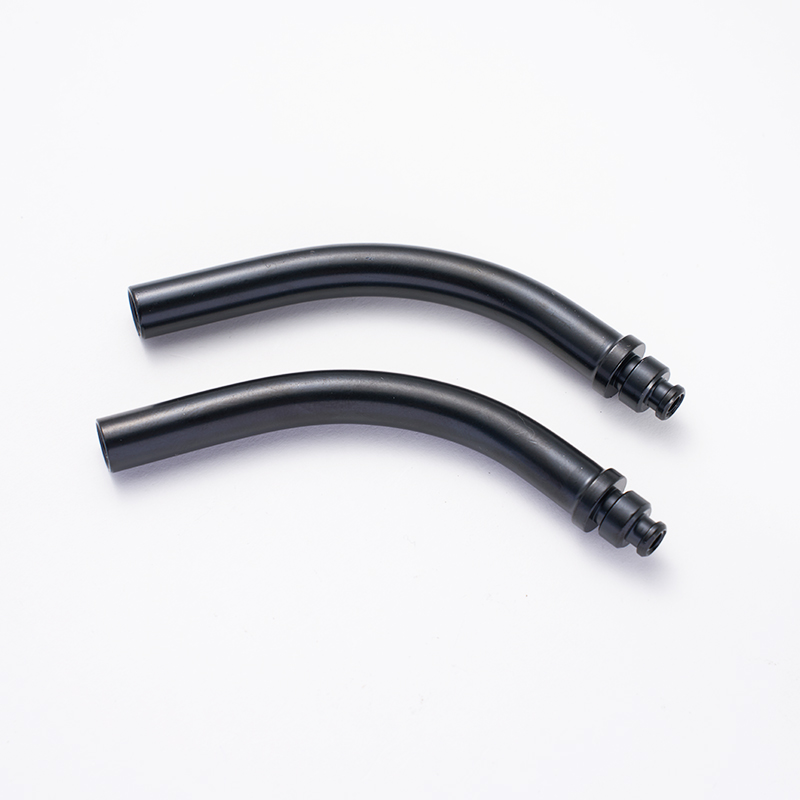
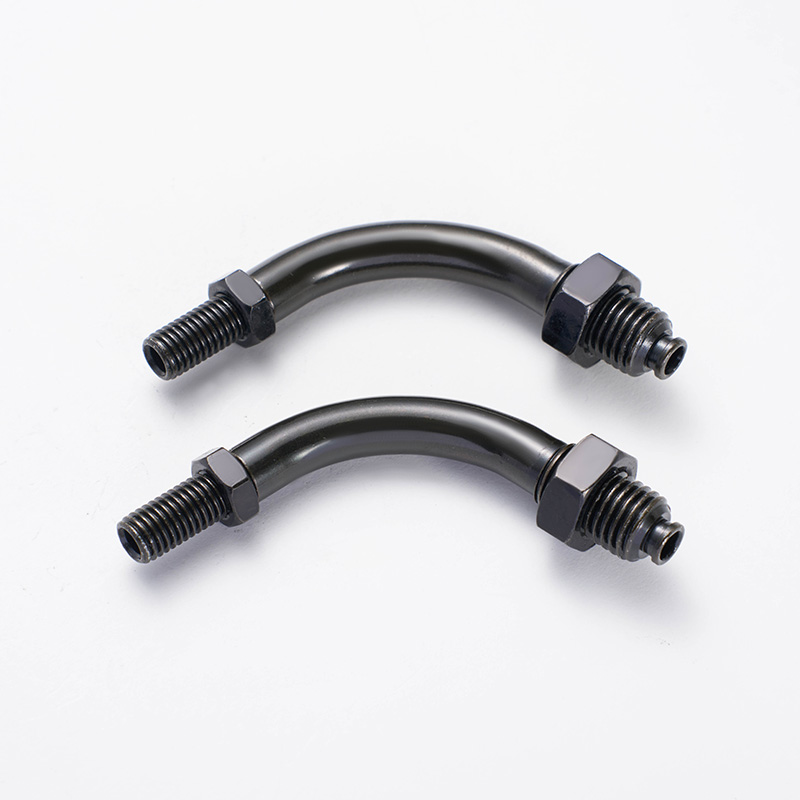
Zhejiang Mega Mei Machinery Co., Ltd. manufactures and supplies Brake Cable Parts for automotive, industrial, and mechanical braking applications, with product lines that cover inner cables, outer housings, adjuster assemblies, and associated hardware. If you are working through a maintenance specification, evaluating components for an OEM replacement program, or need to discuss volume sourcing and material options for a particular application environment, reaching out with your system requirements is a practical next step. Consistent braking response depends on components that are built to a reliable standard from the point of manufacture - and that is precisely where the process of getting it right should begin.

 English
  Building 33, Demonstration Park, No. 318 Chenguang Road, Eastern New District, Wenling City, Taizhou City, Zhejiang Province, China
  0086-576-86337978
  0086-576-86333878
 boo@zjmgmm.com