 boo@zjmgmm.com / 958587858@qq.com
 English
 русский
 Español
 عربى
عربى
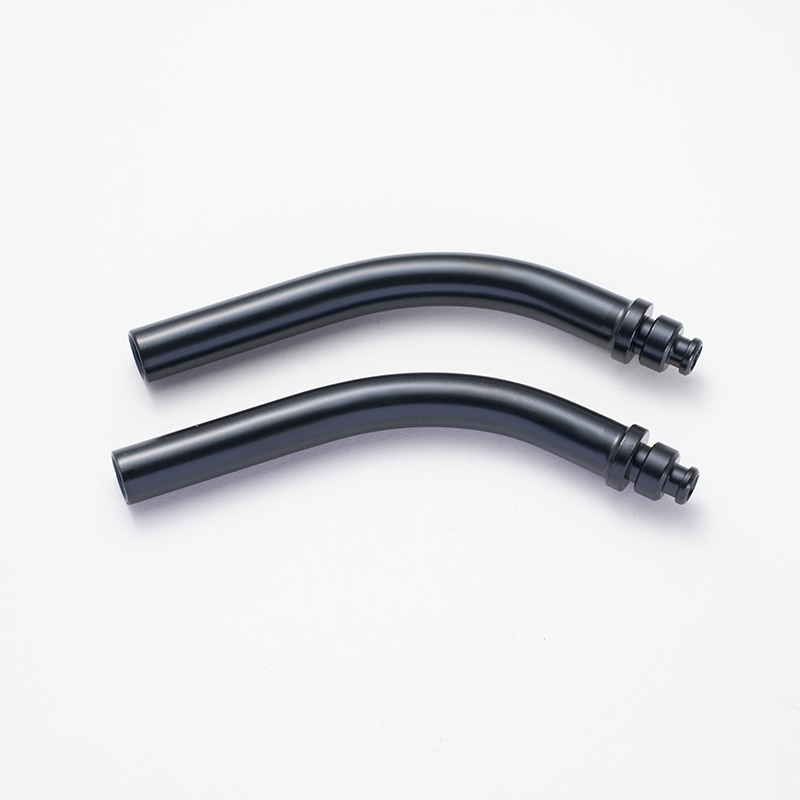
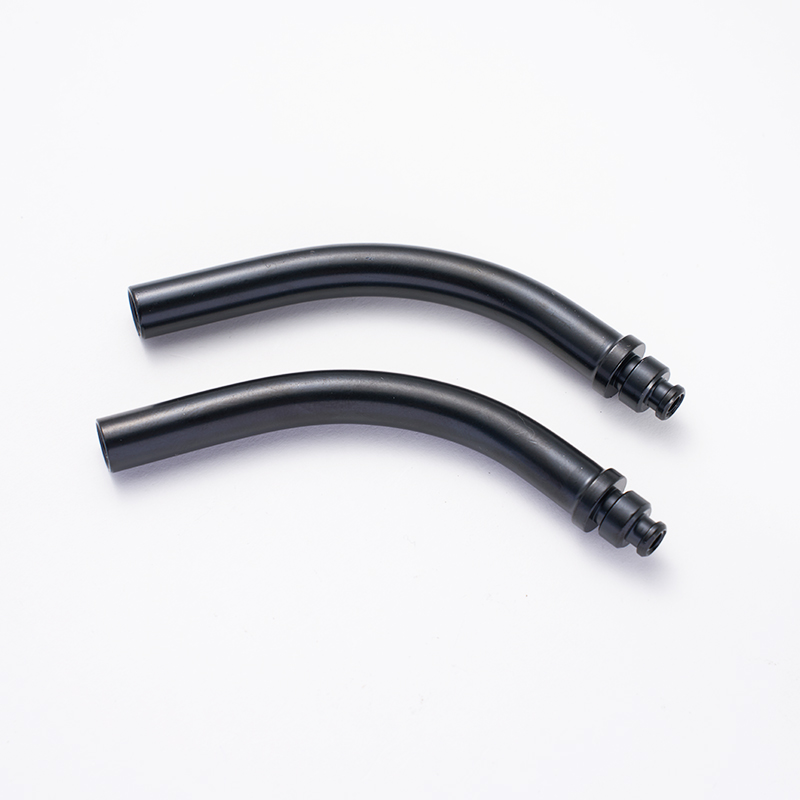
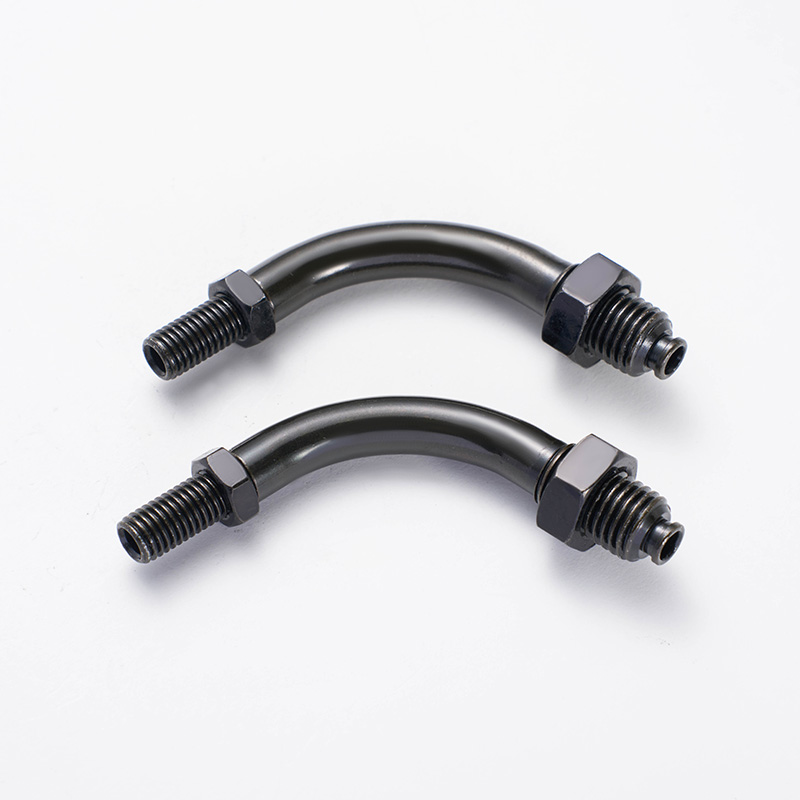
Long screw rods are critical components in motorcycles, used in assemblies that require strong fastening, adjustable tension, and reliable mechanical connection. They are commonly employed in engine mounts, suspension linkages, and structural assemblies where stability and alignment are crucial. Proper use and understanding of performance characteristics are essential for safety, durability, and efficient operation.
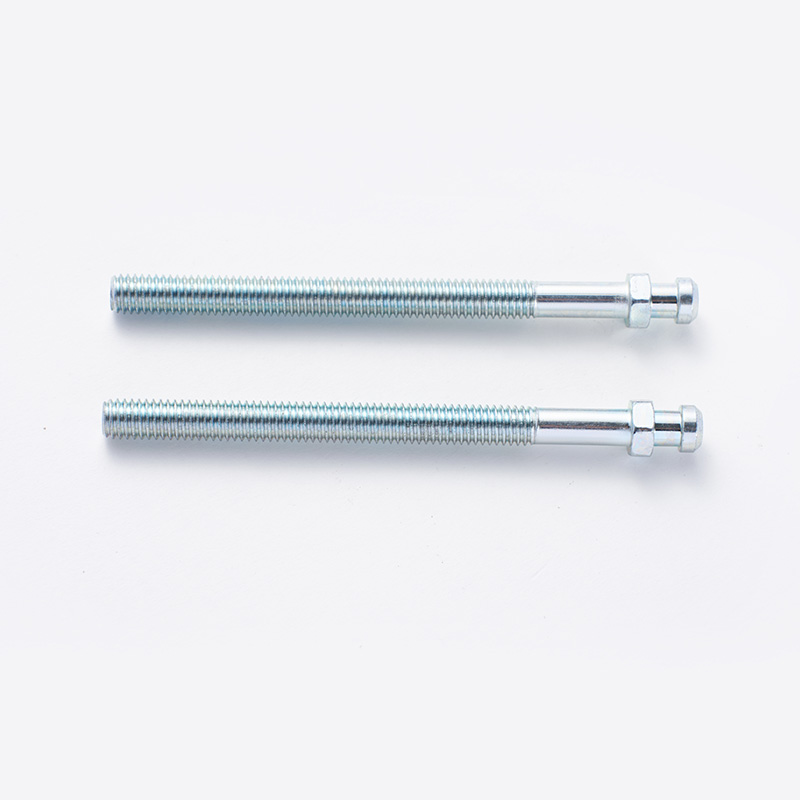
Proper Installation and Alignment of Long Screw Rods
When using long screw rods on motorcycles, correct installation is fundamental to ensure safety and proper operation.
Thread Engagement
Verify that the rod threads match the corresponding nut or tapped hole. Insufficient thread engagement can reduce holding strength.
Torque Application
Apply recommended torque values using a calibrated torque wrench. Over-tightening may strip threads or deform components, while under-tightening can cause loosening under vibration.
Alignment
Ensure the rod passes straight through connected components. Misalignment may cause bending stress, uneven load distribution, or premature wear.
Lubrication and Anti-Seize Compounds
Apply suitable lubricants or anti-seize compounds on threads if recommended by the manufacturer. This prevents galling and eases future removal.
Washer Placement
Use washers or lock washers where specified to distribute the load evenly and prevent loosening due to vibration.
By following these guidelines, users can maintain structural integrity and reduce the risk of mechanical failure. Misaligned or improperly installed screw rods can compromise motorcycle safety and increase maintenance frequency.
Material and Environmental Considerations
Long screw rods are exposed to different mechanical and environmental stresses. Selecting the right material and accounting for environmental conditions ensures long-term performance.
Material Strength
Common materials include stainless steel, alloy steel, and high-strength carbon steel. Material choice affects tensile strength, fatigue resistance, and corrosion resistance.
Corrosion Resistance
Motorcycle components are exposed to moisture, road salts, and oils. Stainless steel or coated rods provide better resistance against corrosion.
Temperature and Vibration Effects
Long screw rods near engines or exhaust systems are exposed to high temperatures. Ensure that materials can tolerate thermal expansion without losing structural integrity.
Inspection Frequency
Regularly inspect rods for rust, thread wear, or bending, particularly in high-vibration areas like suspension or engine mounts.
Accounting for environmental and material factors ensures reliable operation under varied riding conditions.
Maintenance and Replacement Practices
Maintaining long screw rods is critical for motorcycle safety and component longevity.
Periodic Checks
Inspect rods for cracks, corrosion, or deformation. Pay attention to areas with high mechanical stress.
Thread Condition
Clean threads regularly to prevent dirt or debris from impairing proper fastening.
Replacement Guidelines
Replace rods if threads are stripped, bends are detected, or material fatigue is evident. Using a compromised rod may lead to component misalignment or failure.
Documentation and Manufacturer Recommendations
Follow manufacturer maintenance schedules and torque specifications. Maintain records of inspections and replacements for safety tracking.
Routine maintenance prevents accidents, reduces downtime, and ensures that mechanical systems remain secure.
Performance Advantages of Long Screw Rods for Motorcycles
Strong Mechanical Connection
Long screw rods provide stable fastening for multiple components, including frames, suspension linkages, and engine mounts. Their length allows deep engagement and uniform load distribution.
Adjustability
In some assemblies, long screw rods enable fine-tuning of tension or alignment. This is particularly useful in suspension setups or adjustable linkages.
Durability
High-strength materials can withstand significant tensile and shear forces, maintaining component alignment under vibration and load.
Versatility
Long screw rods are compatible with a wide range of components and can replace shorter fasteners in extended assemblies without compromising structural integrity.
Performance Disadvantages of Long Screw Rods for Motorcycles
Susceptibility to Corrosion
Inadequate material selection or lack of protective coatings can lead to rust formation, particularly in wet or salted-road environments. Corroded rods may weaken over time.
Vibration Loosening
Long rods in high-vibration areas may loosen without proper torque or locking mechanisms, causing misalignment or component damage.
Installation Complexity
Correct installation requires attention to torque, alignment, and thread engagement. Improper handling can lead to stripping or bending, especially in high-stress areas.
Maintenance Requirements
Long screw rods demand periodic inspection and maintenance. Neglect can lead to failure, which may compromise motorcycle safety or require costly repairs.

 English
  Building 33, Demonstration Park, No. 318 Chenguang Road, Eastern New District, Wenling City, Taizhou City, Zhejiang Province, China
  0086-576-86337978
  0086-576-86333878
 boo@zjmgmm.com