 boo@zjmgmm.com / 958587858@qq.com
 English
 русский
 Español
 عربى
عربى
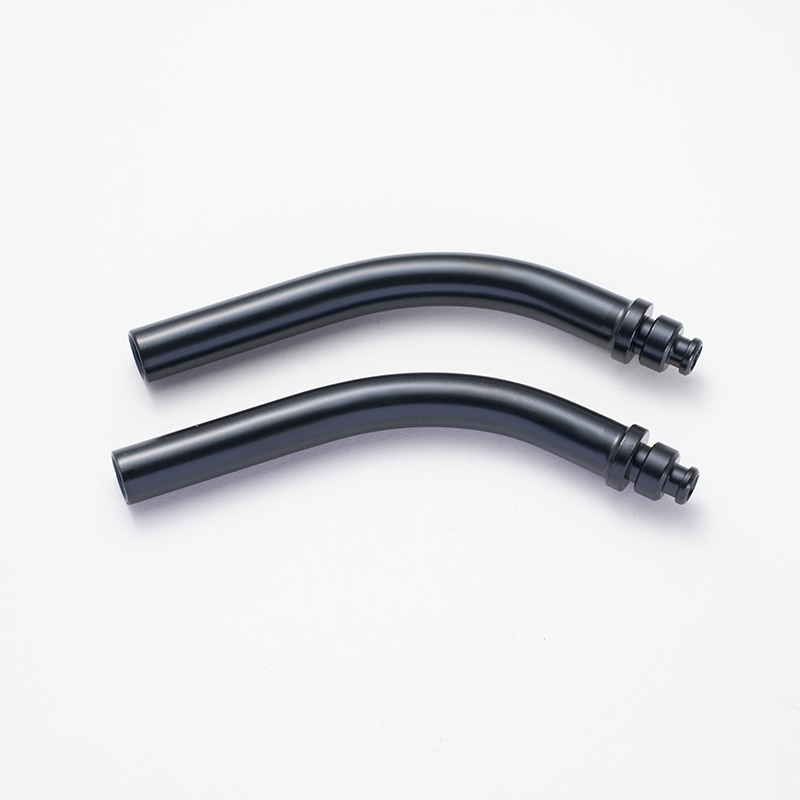
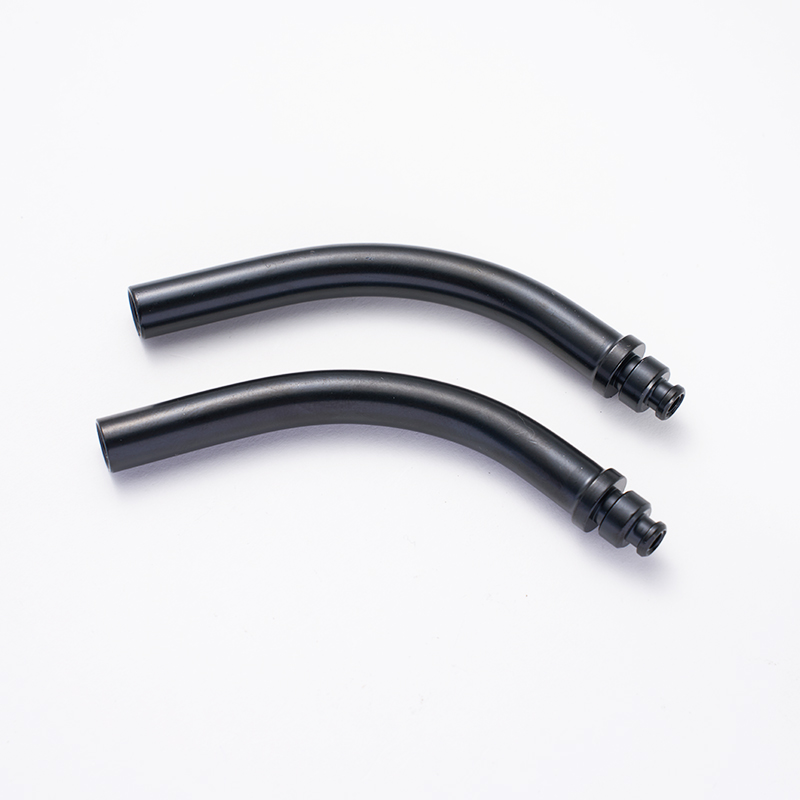
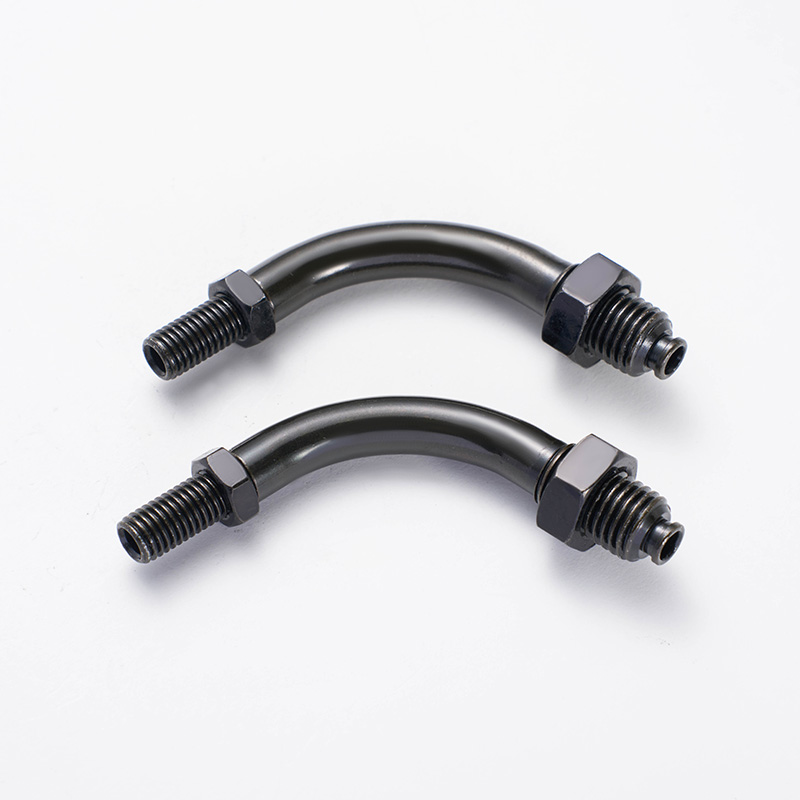
Outer stranding for motorcycles generally refers to external protective or structural components installed around the outer frame or body of a motorcycle. These may include crash bars, engine guards, frame sliders, luggage racks, and protective cages. Designed to enhance durability and rider safety, outer stranding components have become increasingly visible in both commuter and recreational motorcycle segments.
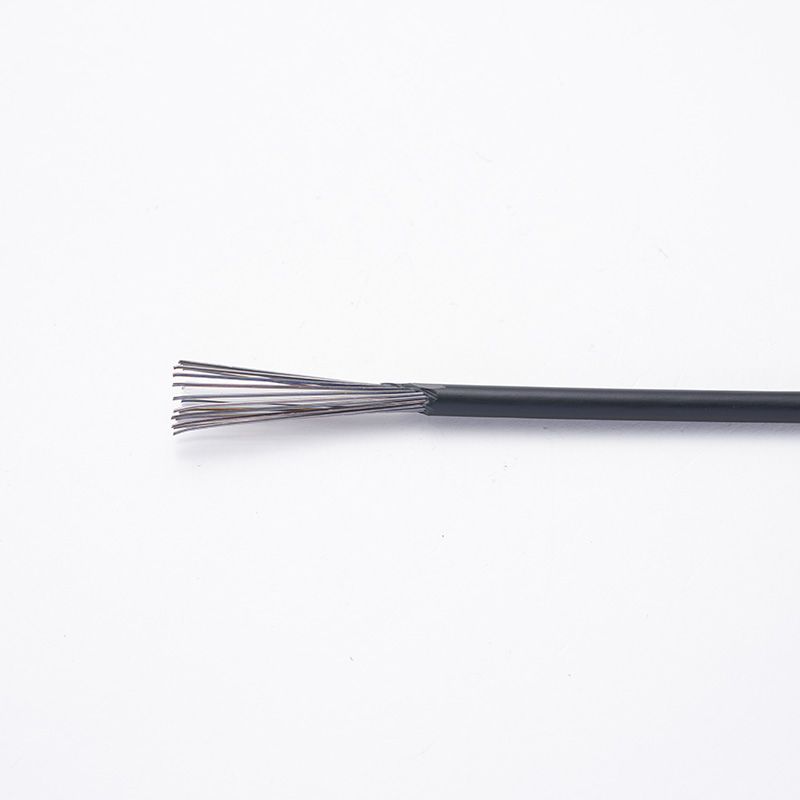
Understanding Outer Stranding in Motorcycle Design
Outer stranding components serve as external reinforcement or protective structures attached to a motorcycle's frame. They are commonly made from steel, aluminum alloy, or reinforced composite materials. Their primary functions include:
Impact Protection:
Absorb or deflect impact during low-speed falls.
Reduce direct damage to the engine casing and body panels.
Structural Support:
Provide mounting points for accessories such as saddlebags or auxiliary lights.
Reinforce the outer frame in off-road or touring applications.
Aesthetic Customization:
Contribute to the visual appearance of the motorcycle.
Allow riders to personalize the exterior design.
Outer stranding components are often integrated into adventure motorcycles, touring bikes, and dual-sport models. However, their use has gradually expanded into urban commuter motorcycles and mid-range displacement segments.
Safety Awareness and Practical Use
One significant factor behind the popularity of outer stranding is increased awareness of safety and maintenance costs. Motorcyclists are more conscious of potential repair expenses associated with accidental drops or minor collisions. Outer stranding offers practical protection through:
Damage Reduction:
Minimizes contact between the ground and critical engine components.
Protects fairings and radiators during falls.
Cost Management:
Lower repair costs in case of minor accidents.
Reduced need for frequent replacement of exposed parts.
Improved Rider Confidence:
Riders may feel more secure knowing protective structures are installed.
Encourages longer-distance travel or off-road exploration.
As motorcycle ownership expands in both urban and rural regions, protective accessories have become a rational investment for long-term vehicle maintenance.
Influence of Adventure and Touring Trends
The growth of adventure touring and long-distance riding has contributed to the demand for outer stranding systems. Motorcycles designed for varied terrain often require additional reinforcement. Market factors include:
Rising Adventure Riding Culture:
Increased interest in cross-country and off-road travel.
Greater need for impact-resistant external structures.
Cargo and Equipment Support:
Outer frames allow secure attachment of luggage systems.
Facilitate mounting of tools, spare fuel containers, or navigation devices.
Durability Expectations:
Touring riders prefer equipment that can withstand varied road conditions.
Protective bars and cages add structural stability during extended use.
These trends reflect changing consumer behavior, where motorcycles are used not only for commuting but also for recreational and exploratory activities.
Aftermarket Industry and Customization Demand
Another factor supporting market growth is the expansion of the motorcycle aftermarket industry. Riders often seek modifications that enhance both function and style. Outer stranding components are widely available through specialized manufacturers and online platforms. Contributing aspects include:
Wide Product Availability:
Compatible designs for different motorcycle brands and engine sizes.
Modular systems that allow partial or full installation.
Relatively Simple Installation:
Many kits include bolt-on mounting systems.
Does not usually require extensive structural modification.
Brand Differentiation:
Manufacturers offer varying finishes such as powder-coated steel or brushed aluminum.
Riders can choose designs aligned with personal preferences.
The accessibility of these products supports consistent market demand across regions.
Material Development and Engineering Considerations
Advancements in materials and production processes have also contributed to wider adoption. Manufacturers now use engineering methods to balance weight, strength, and corrosion resistance. Key considerations include:
Material Selection:
Steel offers strength and durability.
Aluminum alloys reduce overall weight.
Coatings protect against rust and environmental exposure.
Design Integration:
Precision fitting ensures compatibility with existing frame geometry.
Load distribution is analyzed to prevent stress concentration.
Regulatory and Safety Standards:
Some markets require compliance with safety or structural guidelines.
Quality control processes ensure consistent performance.
These engineering improvements help ensure that outer stranding components enhance protection without significantly affecting vehicle balance or handling.

 English
  Building 33, Demonstration Park, No. 318 Chenguang Road, Eastern New District, Wenling City, Taizhou City, Zhejiang Province, China
  0086-576-86337978
  0086-576-86333878
 boo@zjmgmm.com