 boo@zjmgmm.com / 958587858@qq.com
 English
 русский
 Español
 عربى

Moving an electric bicycle or electric motorcycle battery box from a sample to mass production requires more than confirming that the battery fits inside the enclosure. Mounting accuracy, connector alignment, vibration resistance, sealing performance, and assembly consistency all influence the final product. At Zhejiang Mega Mei Machinery Co., Ltd. (Mega Mei), we encourage OEM customers and component buyers to establish clear validation criteria before approving a production run.
An E-Bike Motor Power Storage Box must work with the intended battery pack, vehicle frame, wiring layout, and mounting system. A structured prototype review helps identify dimensional conflicts and design issues before they become costly production problems.
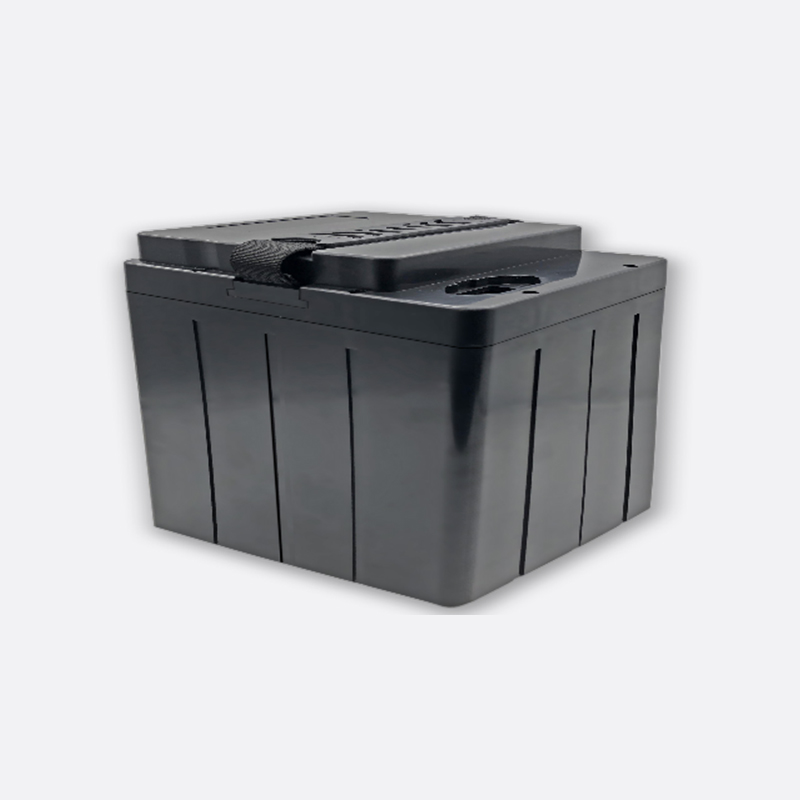
1. Confirm Dimensions and Installation Compatibility
Physical fit is the starting point for battery box validation. Even a small dimensional discrepancy can affect installation, locking, or access to electrical connections.
- Internal and external dimensions: Measure the enclosure against approved drawings and confirm adequate space for the battery pack, insulation, and supporting components.
- Mounting positions: Check hole locations, bracket geometry, fastener access, and contact points with the vehicle frame.
- Battery retention: Verify that the pack remains securely positioned without excessive pressure on the cells or enclosure walls.
- Installation and removal: Confirm that operators or users can fit and remove the battery using the intended procedure.
At Mega Mei, our battery housing and bracket product range includes components designed around different battery configurations. We recommend comparing the prototype with the actual mating components rather than relying solely on CAD drawings or nominal dimensions.
2. Evaluate Material Strength and Structural Durability
Battery boxes encounter vibration, handling forces, road impacts, and changing environmental conditions. The enclosure material and structural design must suit the intended vehicle and operating environment.
- Material verification: Confirm the specified material grade, such as ABS or PC/ABS, and check whether it meets the project's mechanical and thermal requirements.
- Wall thickness and reinforcement: Inspect mounting points, ribs, corners, and fastening areas for dimensional consistency and visible defects.
- Vibration testing: Evaluate the assembled box under conditions representative of vehicle use, checking for loosening, cracking, and unwanted movement.
- Impact assessment: Define suitable impact tests based on the product's location, expected exposure, and applicable requirements.
Testing should follow an agreed procedure with documented acceptance criteria. Buyers should not assume that a material description alone proves resistance to every impact, vibration level, or temperature condition.
3. Check Sealing and Environmental Protection
Rainwater, road spray, dust, and condensation can affect battery assemblies and electrical connections. The required protection depends on how the box is mounted and the conditions in which the vehicle operates.
- Inspect lid joints, gaskets, cable entries, and connector openings for gaps or inconsistent contact.
- Check that fasteners and sealing elements remain correctly positioned after repeated assembly.
- Perform water or dust ingress testing according to the specified protection rating and applicable test method.
- Review drainage paths and enclosure orientation to identify areas where water may accumulate.
Our product range includes battery housing designs with different structural and protective features. For example, the MGMM-008 battery case is listed with an IP54 rating. Buyers should verify the applicable test documentation and confirm that the rating covers the exact configuration being purchased.
4. Verify Connector Position and Electrical Integration
A mechanically sound enclosure can still create assembly difficulties if connectors, wiring, or charging interfaces are positioned incorrectly. Prototype validation should therefore include the relevant electrical components and mating equipment.
- Connector alignment: Confirm that battery terminals and external connectors mate correctly without forcing or bending components.
- Cable routing: Check that wires avoid sharp edges, pinch points, moving parts, and excessive bending.
- Charging access: Verify that the charging port remains accessible and that protective covers operate as intended.
- Thermal clearance: Check the available space around heat-generating components against the battery and enclosure design requirements.
Electrical checks should be completed by qualified personnel using the intended battery, charger, controller, and protection system. Enclosure validation does not replace battery-level electrical safety testing.
5. Establish a Repeatable Sample Inspection Process
Approval of a single prototype is not sufficient to demonstrate consistent manufacturing quality. Before mass production, buyers should establish inspection procedures that can be repeated across pilot and production batches.
- Create an approved drawing with dimensions, tolerances, material requirements, and surface-finish criteria.
- Record sample inspection results and document any dimensional deviations.
- Confirm assembly procedures, fastening requirements, and gasket placement.
- Agree on inspection frequency, defect classification, and batch acceptance criteria.
- Document design changes and obtain approval before implementing them in production.
At Mega Mei, we recommend resolving significant fitment or durability issues during prototype evaluation. Clear inspection records help align engineering, purchasing, and manufacturing teams before production quantities increase.
6. Prepare for Production Approval with Mega Mei
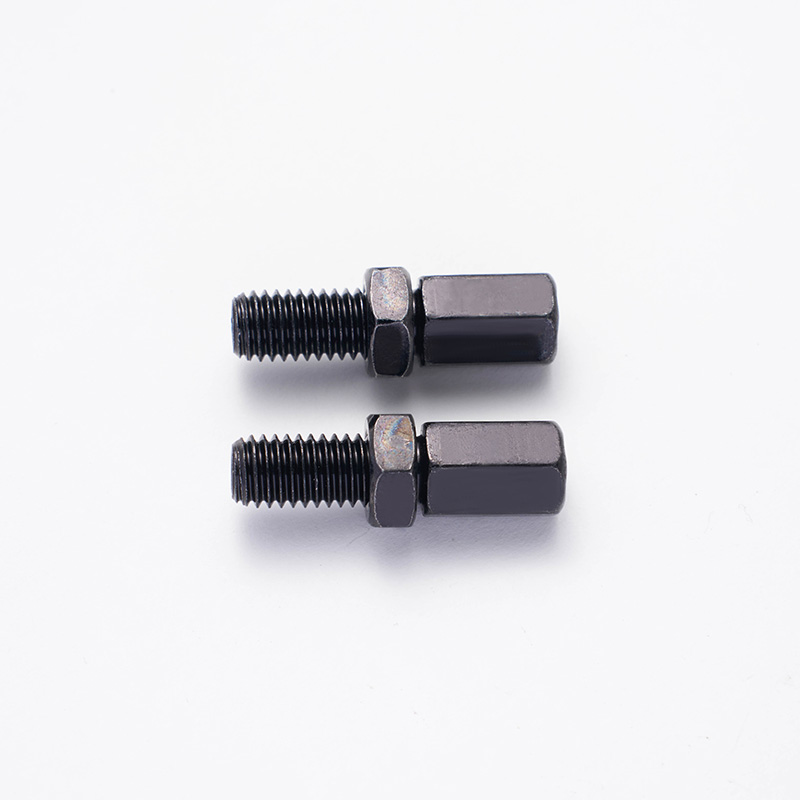
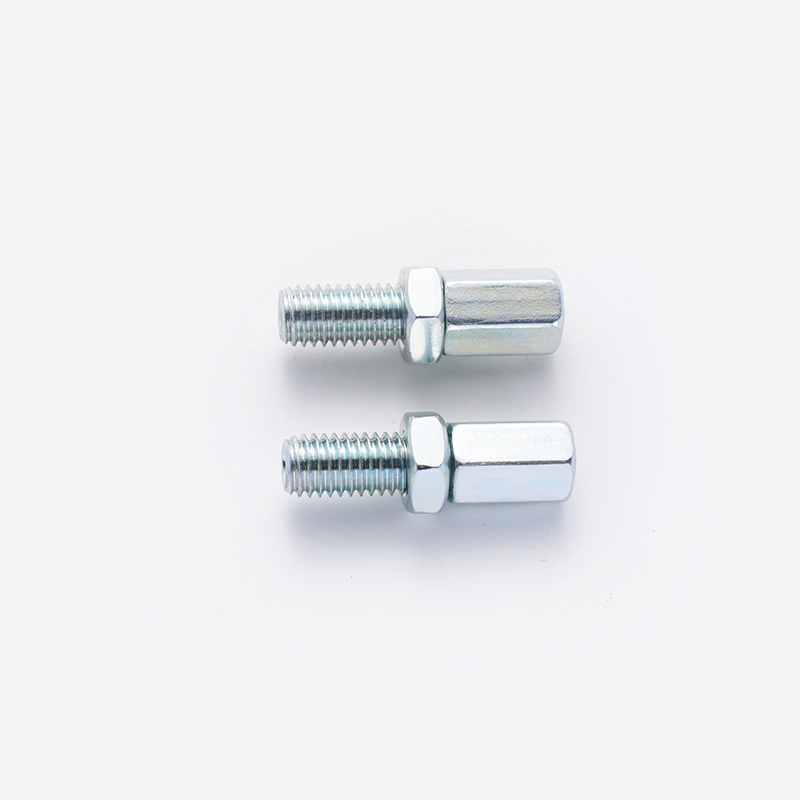
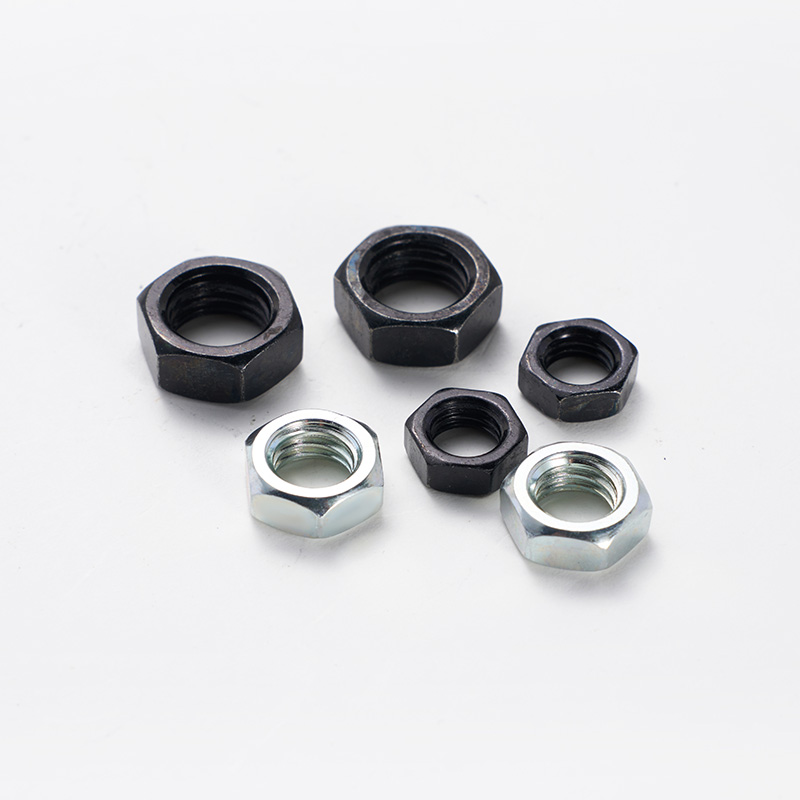
Our electric bicycle and electric motorcycle battery box product range includes battery housings, brackets, and connecting components designed for different assembly requirements. To evaluate a new project, we recommend preparing the battery dimensions, vehicle mounting drawings, material specifications, connector layout, environmental requirements, and target production volume.
These details help our team review component compatibility, discuss customization requirements, and establish suitable sample inspection criteria. Buyers should also confirm packaging requirements, quality documentation, and the agreed production schedule before releasing the final order.
Battery box validation should cover dimensional fit, structural durability, environmental protection, connector integration, and manufacturing consistency. Each test should reflect the intended vehicle application and the agreed product specifications.
At Mega Mei, we encourage OEM customers and distributors to treat prototype approval as a documented engineering milestone rather than a simple visual inspection. By checking the complete assembly and agreeing on measurable acceptance criteria, buyers can identify potential issues before mass production and establish a clearer path from sample approval to repeat orders. Contact our team to discuss battery housing components and validation requirements for your next project.

 English
 Building 33, Demonstration Park, No. 318 Chenguang Road, Eastern New District, Wenling City, Taizhou City, Zhejiang Province, China
 0086-576-86337978
 0086-576-86333878
 boo@zjmgmm.com
