 boo@zjmgmm.com / 958587858@qq.com
 English
 русский
 Español
 عربى

A power outage can affect refrigeration, lighting, internet access, heating controls, and other household functions. However, keeping every appliance running during an outage is not always necessary or practical. At Mega Mei, we believe that effective residential energy storage planning starts with understanding which electrical loads require continuous power and how long they need to operate.
A Home Solar Energy Storage System can supply selected household circuits during a grid interruption, provided that the battery, inverter, and backup electrical configuration support the required loads. Before purchasing a system, homeowners, installers, and project distributors should establish a clear backup priority list and evaluate the electrical requirements of each appliance.
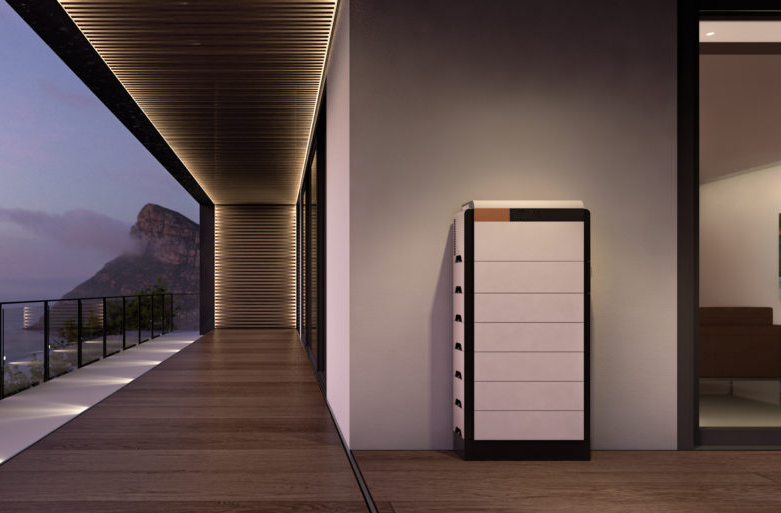
1. Which Household Loads Should Receive Priority?
Backup circuits should be organized according to their importance during an outage. This approach helps project planners allocate available battery capacity to essential household functions before adding optional appliances.
- Refrigerators and freezers: These appliances help preserve food and typically cycle on and off throughout the day. Their starting power may be considerably higher than their normal running demand.
- Lighting: Selected LED lighting circuits provide visibility without requiring the entire home's lighting system to remain powered.
- Internet and communication equipment: Routers, modems, and phone-charging outlets support communication and remote work during an outage.
- Medical equipment: Essential devices may require dedicated backup planning. Users should follow the equipment manufacturer's power requirements and arrange an appropriate contingency plan.
- Heating or water-pump controls: Selected furnace blowers, circulation pumps, or well pumps may be important depending on the property and climate. Their starting current and operating schedule must be checked.
At Mega Mei, we recommend defining these priorities before establishing battery capacity. A clear load list helps installers prepare a system configuration based on actual household requirements rather than assumptions about total home consumption.
2. Which Appliances May Require Additional Battery Capacity?
Some household appliances consume substantial power or operate for extended periods. Adding them to the backup circuit can increase both the required inverter output and the energy capacity of the battery bank.
- Central air conditioning: Compressor startup demand and continuous cooling consumption can place significant demands on the inverter and battery.
- Electric water heaters: Resistive heating elements can draw several kilowatts while operating, reducing the available backup duration.
- Electric ovens and clothes dryers: These appliances may consume a substantial share of stored energy during a short operating period.
- Electric vehicle chargers: Charging an EV can add a large continuous load and may require a separate energy management strategy.
- Pool and irrigation pumps: Motor startup requirements and extended operating schedules should be evaluated before these loads are included.
These appliances do not necessarily need to be excluded from every backup design. Their inclusion depends on available inverter power, battery discharge capability, usable energy, and the homeowner's priorities. Load scheduling or dedicated load management may help control demand during an outage.
3. How Can Buyers Estimate the Required Backup Capacity?
Battery capacity should be calculated from the energy consumed by the selected appliances over the intended backup period. The basic calculation uses running power and operating time.
Energy consumption (kWh) = Power (W) × Operating time (hours) ÷ 1,000
Consider an illustrative household backup plan with the following loads:
- Refrigerator: average consumption of 150 W over 8 equivalent running hours = 1.2 kWh.
- LED lighting: 100 W over 5 hours = 0.5 kWh.
- Router and communication equipment: 20 W over 24 hours = 0.48 kWh.
- Laptop and phone charging: 80 W over 4 hours = 0.32 kWh.
The estimated total is 2.5 kWh per day. These figures are examples for planning, not measured consumption values for every appliance. Actual refrigerator cycling, device power ratings, and household usage patterns will change the result.
The final battery requirement must account for usable battery energy, inverter conversion losses, reserve capacity, and the desired backup duration. Buyers should also verify that the inverter can handle the simultaneous running loads and the startup surge of motor-driven appliances.
4. Why Must Battery Capacity and Inverter Power Be Evaluated Separately?
Battery energy and inverter output serve different purposes. Battery capacity, measured in kilowatt-hours (kWh), affects how long appliances can operate. Inverter power, measured in kilowatts (kW), determines the load that can be supplied at a particular moment.
- Continuous output: The inverter must support the combined power demand of appliances expected to run simultaneously.
- Surge capability: Refrigerators, pumps, and air-conditioning compressors may need additional power during startup.
- Battery discharge limits: The battery management system and battery specifications must support the required current.
- System compatibility: Battery voltage, inverter communication, backup switching equipment, and circuit configuration must be compatible.
A large battery cannot compensate for an inverter that lacks sufficient output. Similarly, a powerful inverter cannot provide extended backup operation without adequate usable battery energy. At Mega Mei, we encourage project buyers to review these requirements together before confirming the system configuration.
5. What Should Buyers Confirm Before Ordering a Home Storage System?
Clear technical information helps installers, distributors, and homeowners compare system proposals using consistent criteria. Before approving a purchase, we recommend checking the following details.
- The essential circuits and appliances that must remain operational.
- Estimated daily energy consumption and the desired backup duration.
- Continuous and peak inverter output requirements.
- Battery nominal capacity, usable energy, and permitted discharge limits.
- Solar charging capability during outages and expected local solar conditions.
- Installation space, electrical protection, transfer equipment, and applicable local codes.
- Warranty coverage, product documentation, and technical support arrangements.
We also recommend distinguishing essential loads from comfort and convenience loads. This allows buyers to compare a critical-load backup design with a whole-home backup configuration and understand the technical implications of each option.
Build the Backup Plan Around Real Household Needs
Deciding which loads a solar storage system should support requires a balance between household priorities, electrical demand, and available stored energy. Refrigeration, selected lighting, communication equipment, and essential medical devices may deserve priority, while air conditioning, electric heating, and EV charging require closer capacity and power assessments.
At Mega Mei, we encourage customers and project partners to define backup objectives before finalizing a residential energy storage configuration. A carefully prepared load schedule, verified battery specifications, and compatible inverter design provide a practical foundation for planning reliable backup power. Contact our team to discuss energy storage product options and the technical requirements of your project.

 English
 Building 33, Demonstration Park, No. 318 Chenguang Road, Eastern New District, Wenling City, Taizhou City, Zhejiang Province, China
 0086-576-86337978
 0086-576-86333878
 boo@zjmgmm.com
