 boo@zjmgmm.com / 958587858@qq.com
 English
 русский
 Español
 عربى
عربى
What Size and Thread Type Are Required?
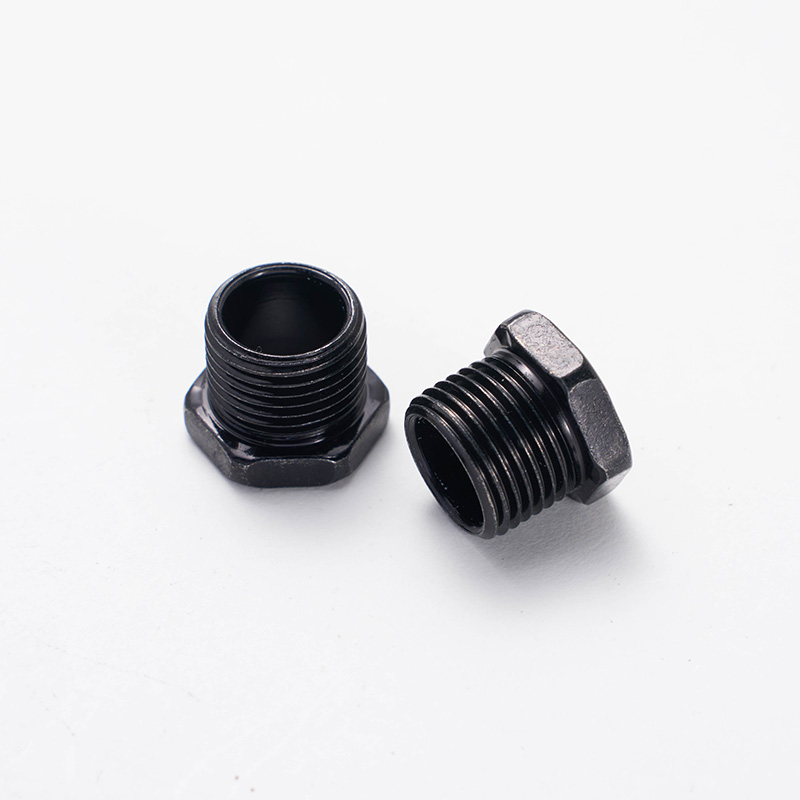
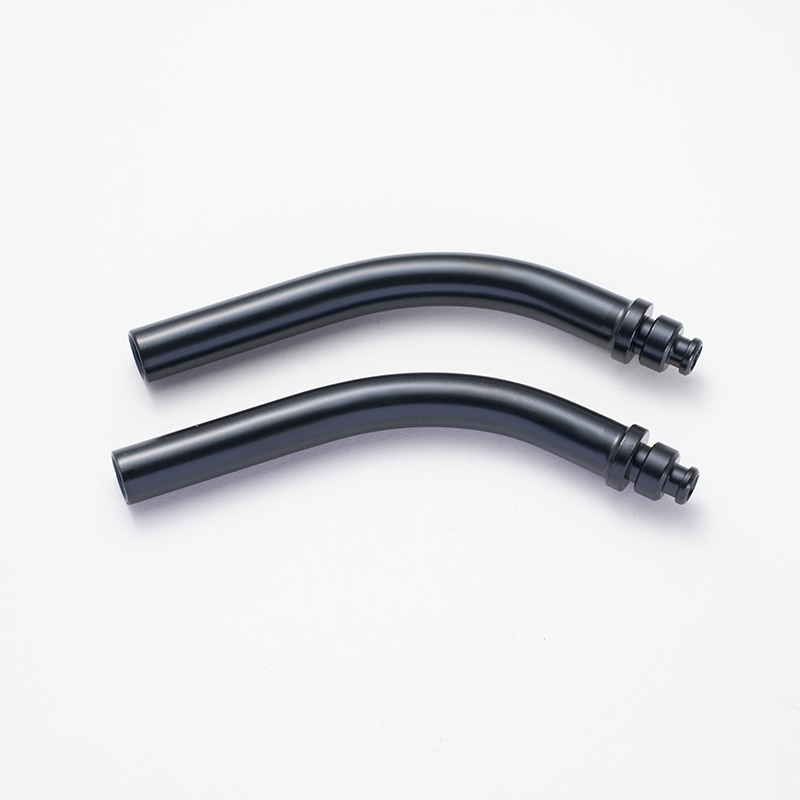
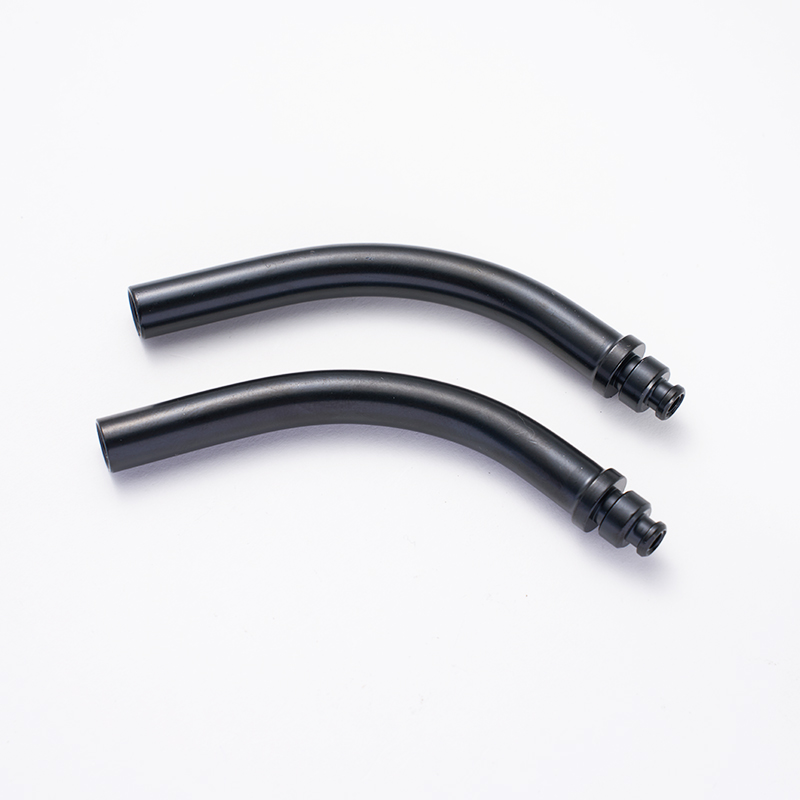
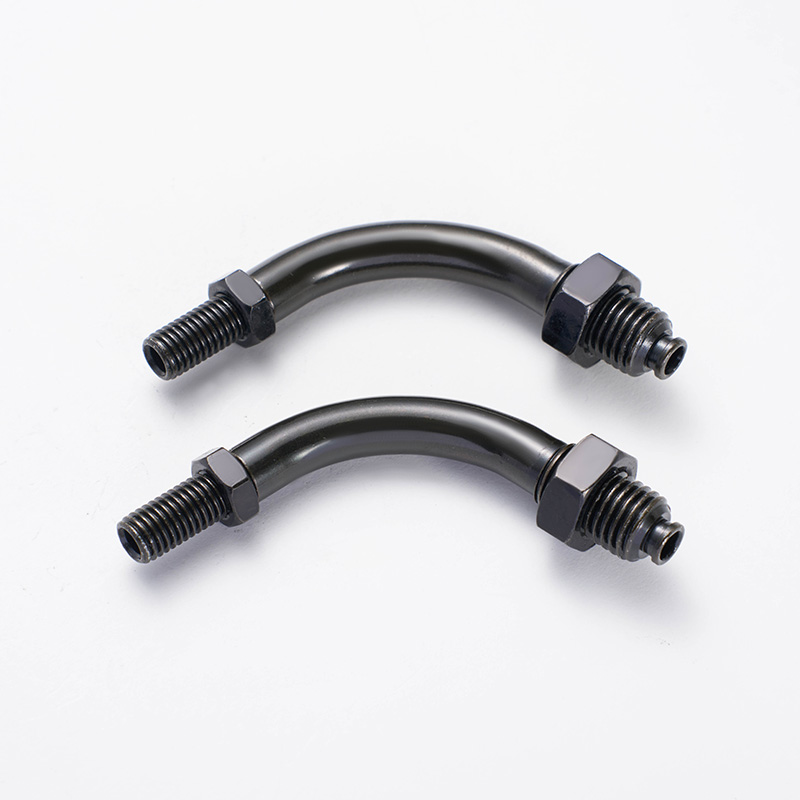
The size and thread type of a Joint Nut Wholesaler must match the connecting components to ensure a secure fit.
Diameter and Length: Joint nuts come in various diameters and lengths. Measuring the rod or linkage accurately ensures the nut fits without excessive gaps or interference.
Thread Pitch and Direction: Thread pitch determines the distance between threads, which must correspond to the rod or bolt being used. Some joint nuts also feature left-hand threads for specific applications.
Function: Selecting the correct size and thread type prevents loosening, misalignment, or potential mechanical failure, ensuring that the joint functions reliably over time.
Practical Tip: Always check the vehicle or machinery manual for manufacturer specifications to confirm the correct diameter, thread pitch, and orientation.
What Material Should the Joint Nut Be Made Of?
The material of a joint nut influences its strength, durability, and resistance to environmental factors.
Steel: Steel joint nuts, often coated with zinc or nickel, provide good mechanical strength and moderate corrosion resistance.
Stainless Steel: Stainless steel offers higher corrosion resistance and is suitable for environments exposed to moisture, road salt, or chemicals.
Alloy Metals: Some joint nuts use alloy metals to balance strength and weight, which can be important in high-performance or lightweight vehicles.
Function: The material selection ensures that the joint nut can withstand mechanical stress, vibration, and environmental conditions, reducing the risk of deformation or failure.
Practical Tip: Consider the operating environment when choosing materials—stainless steel or coated steel is preferable for motorcycles frequently exposed to rain or automotive components near the engine bay.
What Mechanical Performance Is Required?
Mechanical performance refers to the nut's ability to maintain a secure connection under operational loads.
Tensile Strength: The nut must handle the pulling force exerted by the connected rod or linkage without deforming.
Torque Rating: Correct torque ensures that the nut is tight enough to prevent loosening but not so tight that it damages threads or components.
Vibration Resistance: In vehicles, vibration can cause fasteners to loosen over time. Some joint nuts feature locking designs, such as nylon inserts or castellated tops, to maintain stability.
Function: Assessing mechanical performance ensures that the joint nut can maintain a secure and safe connection throughout the vehicle's operating conditions.
Practical Tip: Consult torque specifications and consider using locking mechanisms for critical or high-vibration areas.
What Design or Coating Enhances Durability?
Design and coating options improve longevity and performance in different environmental conditions.
Locking Designs: Some joint nuts include self-locking features to resist loosening from vibration. This is especially important in automotive steering or suspension linkages.
Surface Treatments: Coatings such as zinc plating, black oxide, or phosphate treatment improve corrosion resistance and prevent rust formation.
Shape and Chamfer: The nut's shape, including chamfered edges or rounded ends, affects ease of installation and alignment with rods or linkages.
Function: Considering design and coating helps ensure that the joint nut remains functional over time, maintaining secure connections even under repeated stress and exposure to environmental elements.
Practical Tip: For motorcycles or vehicles operating in wet or salty environments, a coated or stainless steel joint nut with a locking feature is often the most suitable choice.
Choosing a joint nut for automotive and motorcycle applications requires careful attention to size and thread type, material, mechanical performance, and design or coating features. Correct sizing and thread selection prevent misalignment and ensure a secure connection. Material choice impacts durability, corrosion resistance, and strength. Mechanical performance ensures that the nut can handle operational loads and resist vibration. Finally, design and surface treatment enhance longevity and reliability. Addressing these four considerations provides a structured approach to selecting joint nuts that support safe, stable, and durable connections in vehicles and motorcycles. Proper selection contributes to the overall performance and reliability of mechanical systems, reducing maintenance needs and operational risks.

 English
  Building 33, Demonstration Park, No. 318 Chenguang Road, Eastern New District, Wenling City, Taizhou City, Zhejiang Province, China
  0086-576-86337978
  0086-576-86333878
 boo@zjmgmm.com