 boo@zjmgmm.com / 958587858@qq.com
 English
 русский
 Español
 عربى
عربى
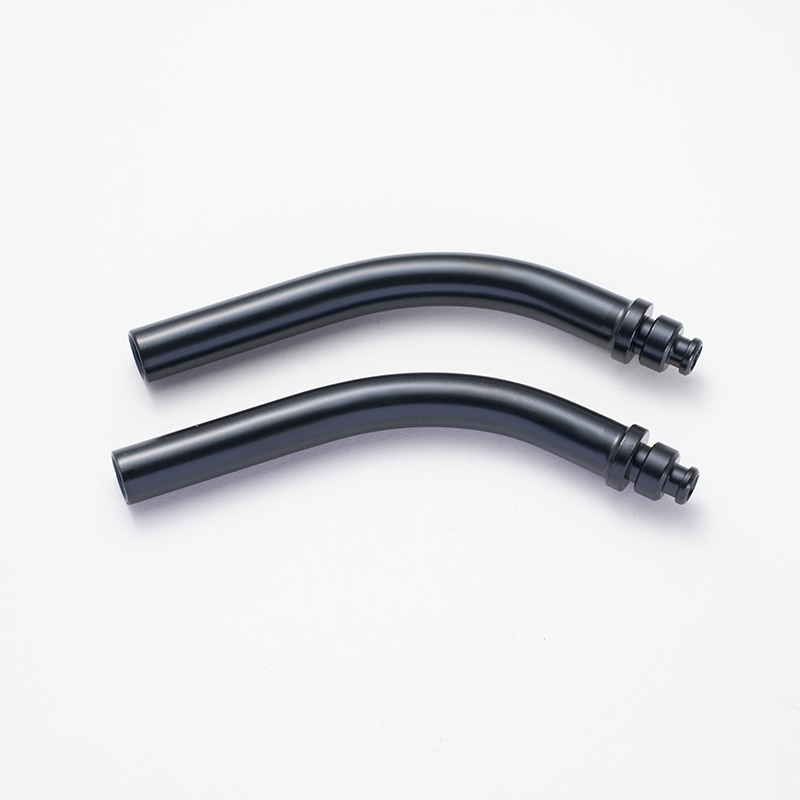
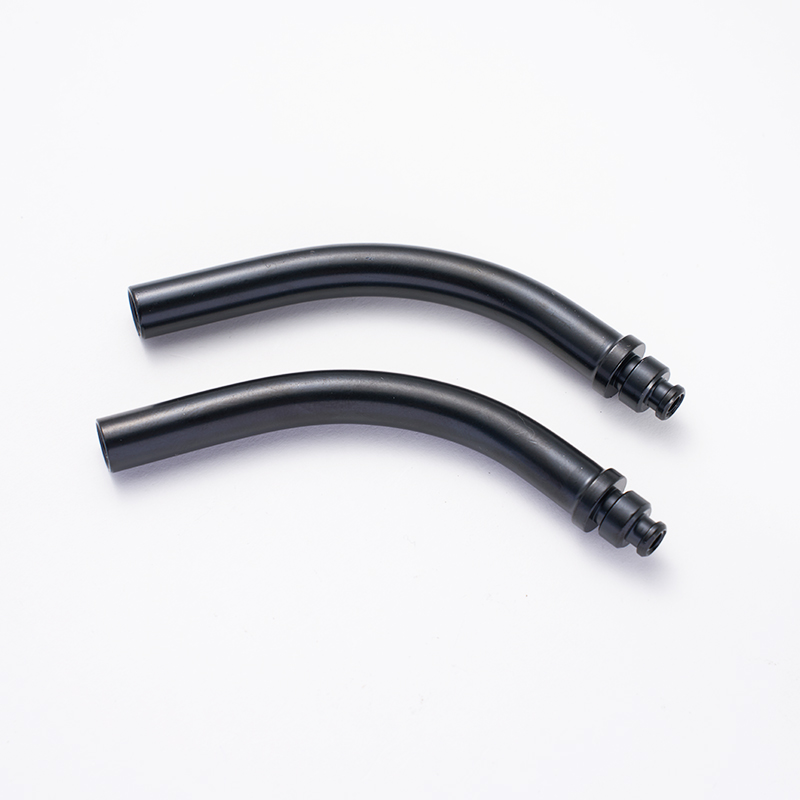
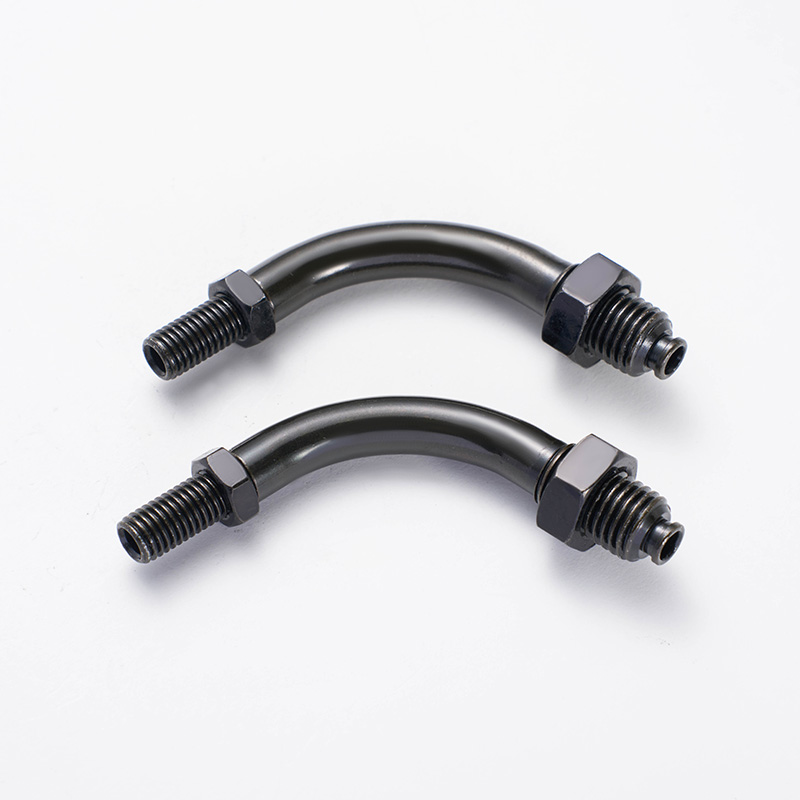
Rough terrain riding introduces repeated impact cycles that continuously challenge fastener integrity across the motorcycle chassis. Structural connectors such as a Long Screw Rod For Motorcycle play a quiet but critical role in holding multi-point assemblies together, especially where vibration loads travel through suspension frames, engine mounts, and accessory brackets.
Unlike short bolts that primarily clamp local joints, extended screw rods distribute force across multiple structural layers. This creates a different mechanical behavior under vibration, where load transfer becomes both axial and multi-point rather than purely localized.
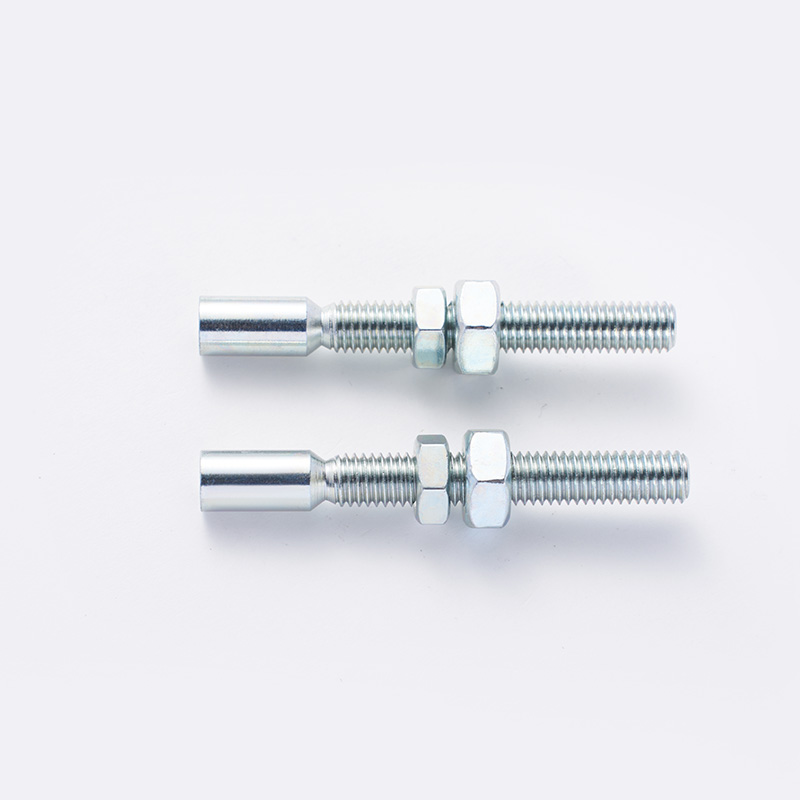
Load distribution behavior under terrain-induced vibration
- Extended axial tension paths spread force across larger assembly zones, reducing single-point stress concentration.
- Cross-assembly coupling links multiple mounting points, causing vibration energy to travel farther across the frame.
- Thread engagement elongation increases sensitivity to micro-loosening under repetitive shock cycles.
- Clamp force redistribution shifts pressure zones as vibration alternates between compression and rebound phases.
These behaviors become more pronounced on uneven surfaces where vertical acceleration changes rapidly within short time intervals.
Dynamic instability introduced by long fastener geometry
Mechanical analysis of rod-type fasteners shows that increased length introduces higher susceptibility to bending resonance under transverse vibration. While designed primarily for axial load, real-world riding conditions expose these components to multi-directional forces.
Research on vibration-loaded threaded systems confirms that transverse oscillation is a key factor in loosening behavior, often more influential than axial load alone. ([revzilla.com](https://www.revzilla.com/common-tread/why-do-nuts-and-bolts-keep-loosening-on-my-motorcycle?utm_source=chatgpt.com))
- Side-load bending moments increase with rod length and frame flex amplitude.
- Natural frequency amplification occurs when rod length aligns with chassis vibration modes.
- Micro-slip at thread interfaces accelerates loosening under cyclic vibration exposure.
Frame stability influence through multi-point coupling
Long screw rods often connect assemblies such as engine guards, luggage frames, battery holders, or auxiliary mounts. Because these systems are interconnected, vibration does not remain isolated; it propagates across the structural network.
This coupling effect can subtly alter perceived motorcycle stability, especially during off-road riding where oscillation frequencies vary rapidly between terrain impacts.
- Secondary vibration transmission spreads impact energy into adjacent components.
- Joint compliance variation changes stiffness balance across the frame.
- Bracket alignment drift occurs gradually under repeated dynamic loading.
Material and thread interaction under repeated stress cycles
Fastener performance depends not only on geometry but also on material hardness, thread profile precision, and surface treatment quality. Under off-road conditions, repeated vibration introduces alternating shear stress that gradually affects thread engagement integrity.
Steel grade differences and coating variations influence friction stability inside the thread interface. Lower friction improves assembly ease but may reduce self-locking resistance under continuous vibration exposure.
- Thread surface polishing wear reduces friction stability over time.
- Elastic deformation recovery lag affects clamp force consistency.
- Coating degradation at contact points increases micro-movement between threads.
Interaction with suspension and chassis vibration modes
Motorcycle frames exhibit multiple vibration modes such as weave and wobble, which can interact with fastener resonance behavior. Long screw rods positioned across structural nodes may experience amplified oscillation when their natural frequency aligns with chassis vibration patterns.
Over time, this interaction contributes to gradual reduction in joint rigidity, even without visible structural damage.
- Mode coupling resonance increases oscillation amplitude at specific RPM ranges.
- Structural damping variation alters vibration absorption efficiency across assemblies.
- Torque relaxation cycles occur under repeated shock-loading conditions.
System-level interpretation of stability changes
Stability changes caused by long screw rod components rarely originate from a single failure point. Instead, they emerge from cumulative interactions between vibration, thread mechanics, and multi-point structural coupling. The extended geometry of these fasteners increases their exposure to dynamic loading paths, making them sensitive indicators of overall chassis condition.
As riding conditions become more aggressive, especially on rough terrain, the role of Long Screw Rod For Motorcycle shifts from simple fastening toward active participation in vibration transfer behavior across the motorcycle assembly network.

 English
  Building 33, Demonstration Park, No. 318 Chenguang Road, Eastern New District, Wenling City, Taizhou City, Zhejiang Province, China
  0086-576-86337978
  0086-576-86333878
 boo@zjmgmm.com