 boo@zjmgmm.com / 958587858@qq.com
 English
 русский
 Español
 عربى

Bulk purchasing electric motorcycle components involves more than comparing quotations and confirming delivery schedules. Importers need to consider compatibility, material performance, structural reliability, quality inspection, and long-term supply arrangements. Battery-related components deserve particular attention because their dimensions, mounting structures, and protective properties directly affect the integration of the battery system into the vehicle.
At Zhejiang Mega Mei Machinery Co., Ltd., we manufacture motorcycle and automotive components, including brake lines, accelerator cables, and electric motorcycle battery box parts. Through our manufacturing experience, we understand that importers require clear technical specifications and consistent production quality before placing volume orders. Our motorcycle battery accessories cover battery enclosures, brackets, mesh supports, and connecting components for different electric vehicle applications.
Before arranging a bulk purchase, we recommend reviewing the following factors to establish a clear purchasing specification and reduce potential sourcing problems.
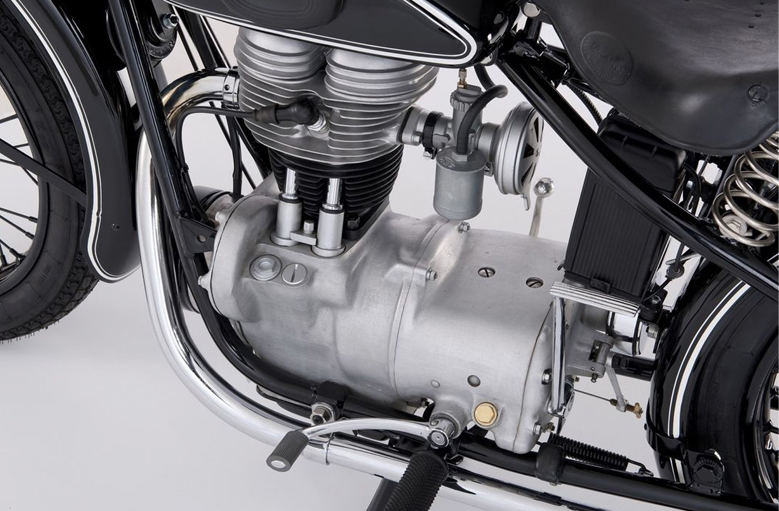
1. Confirm Battery Compatibility and Physical Dimensions
Compatibility is a fundamental consideration for battery box accessories. Electric motorcycles use different battery configurations, and even products designed for similar vehicles may have different dimensions, mounting positions, or connection arrangements.
Importers should provide detailed application information rather than relying exclusively on general product descriptions. We recommend confirming these specifications:
- Battery cell configuration: Identify whether the battery pack uses 18650, 21700, or other cell formats. Different configurations require corresponding internal housing dimensions and support structures.
- External dimensions: Record the overall length, width, and height of the battery pack. Internal enclosure measurements should also allow sufficient space for insulation and protective components.
- Mounting positions: Confirm screw-hole locations, bracket spacing, fixing points, and installation orientation.
- Connector arrangement: Check the position and accessibility of cable outlets, terminals, and other electrical interfaces.
- Vehicle application: Provide the electric motorcycle model, frame structure, and relevant production specifications.
For example, our MGMM-008 battery case is designed for 18650 lithium-ion cell configurations. Its external dimensions are 183 × 156 × 159 mm, while the internal dimensions measure 161 × 137 × 137 mm. These measurements provide a practical reference for importers evaluating enclosure compatibility.
We encourage customers to compare these measurements with their actual battery assemblies and installation drawings before confirming an order. A dimensional drawing or physical sample can help clarify potential differences between vehicle configurations.
2. Evaluate Housing Materials and Structural Performance
Material selection affects the durability, weight, insulation properties, and manufacturing cost of battery accessories. Importers serving different motorcycle markets should consider the operating environment and the expected service conditions of their products.
At Mega Mei, we work with several material options for battery enclosure and mounting applications.
ABS and PC/ABS Composite Materials
ABS is widely used in plastic battery housings because of its practical balance between impact resistance, processing characteristics, and cost. PC/ABS composites combine properties of polycarbonate and ABS, offering additional structural strength and impact resistance for suitable applications.
For battery cases exposed to regular vibration and external contact, importers should review:
- Wall thickness and structural reinforcement.
- Resistance to impact and deformation.
- Material insulation characteristics.
- Temperature resistance under specified operating conditions.
- Surface finish and dimensional consistency.
Metal Brackets and Supporting Components
Battery mounting brackets may use coated steel, aluminum alloy, or reinforced polymer materials, depending on the application. Metal structures can provide mechanical support, while protective coatings help reduce corrosion caused by moisture and outdoor exposure.
We also recommend checking the bracket's load-bearing structure, mounting-hole accuracy, and connection points. These details are particularly relevant to electric motorcycles operating on uneven roads, where repeated vibration places additional demands on battery retention systems.
3. Check Safety Features and Environmental Protection
Battery accessories form part of a larger electrical system. Their protective design should be evaluated alongside the battery pack, battery management system (BMS), wiring arrangement, and charging requirements.
Importers should pay attention to several technical details:
- Flame-retardant properties: Confirm the material grade and applicable test documentation for battery housings used in safety-sensitive applications.
- Dust and water protection: Review the specified IP rating and understand the testing conditions behind it.
- Electrical insulation: Check whether the enclosure design prevents unintended contact between electrical connections and conductive structures.
- Vibration resistance: Examine internal fixing structures, brackets, and locking mechanisms to reduce unwanted battery movement.
- Thermal considerations: Review ventilation openings, material temperature ratings, and the battery manufacturer's thermal management requirements.
Our MGMM-008 flame-retardant battery case uses an ABS+PC composite material and is specified with an IP54 protection rating and an operating temperature range of -20°C to +60°C. Its ventilation channels support heat dissipation, while the internal structure helps maintain battery positioning.
We recommend checking safety documentation against the exact product model and intended destination market. CE, RoHS, and UN38.3 references should not be treated as interchangeable approvals: each relates to different compliance or transport considerations. Importers should verify the applicable documents and their scope before shipment.
4. Review Accessory Configuration and Assembly Requirements
A battery enclosure is only one part of the complete installation structure. Brackets, connecting pieces, fixing hardware, and supporting mesh components may also be required. Purchasing these items separately without a complete configuration record can create assembly difficulties after the shipment arrives.
Our battery accessory range includes several component categories:
- Battery pack enclosures: Protective shells designed around different battery cell arrangements.
- Battery box brackets: Supporting structures used to secure battery housings to the vehicle frame.
- Mesh brackets: Structural supports that can provide ventilation and mechanical protection.
- Battery box connectors: Connecting components designed to assist with enclosure assembly and related mounting arrangements.
Before confirming an order, importers should prepare an accessory list showing the product code, required dimensions, material, quantity per assembly, and corresponding vehicle application.
For OEM projects, we can discuss component combinations and customized structural requirements according to customer drawings and samples. This approach helps align the enclosure, bracket, and connecting components with the intended assembly process.
5. Establish a Clear Quality Inspection Plan
Bulk orders require a consistent inspection process. A sample that meets the required specifications does not automatically guarantee that every production batch will maintain the same dimensions and appearance.
At Mega Mei, we maintain quality control across incoming material inspection, production procedures, finished-product checks, and packaging. We also support QR-code traceability to help customers identify relevant product information.
For motorcycle battery accessories, our recommended inspection checklist includes:
- Dimensional inspection: Measure overall dimensions, wall thickness, mounting holes, and assembly interfaces against approved drawings.
- Appearance inspection: Check for cracks, scratches, uneven surfaces, molding defects, and incomplete edges.
- Material verification: Confirm the material grade and relevant supporting documentation.
- Assembly inspection: Verify that brackets, connectors, fasteners, and enclosure sections fit the approved configuration.
- Functional testing: Conduct appropriate mechanical, impact, vibration, or environmental tests according to the product specification.
- Batch identification: Maintain production and inspection records for quality tracking.
Importers can also agree on an inspection standard before mass production. A documented acceptance plan makes it easier to compare incoming shipments with approved samples and identify deviations during receiving inspections.
6. Examine Packaging and International Shipping Requirements
Packaging is another purchasing factor that deserves attention, particularly for distributors handling several battery accessory models. Plastic housings and metal brackets have different protection requirements during storage, container loading, and international transportation.
We recommend discussing the following packaging arrangements:
- Individual protective bags or wrapping for finished components.
- Separators or cushioning materials to prevent surface scratches.
- Suitable carton dimensions and stacking arrangements.
- Product codes, batch numbers, and identification labels.
- Moisture protection for metal components and other corrosion-sensitive parts.
- Pallet specifications and loading arrangements for larger shipments.
Importers should also distinguish between empty battery enclosures and complete battery packs. An empty plastic housing does not have the same transportation classification as a lithium-ion battery assembly. Shipping documentation and packaging requirements must reflect the actual contents of the shipment.
For complete lithium battery shipments, applicable transport documentation, including UN38.3 test summaries where required, should be reviewed with the shipping provider and relevant regulatory authorities.
7. Compare Suppliers Beyond Unit Price
A competitive quotation is useful, but the total purchasing decision should also account for production consistency, technical communication, customization capabilities, and after-sales support.
We suggest comparing potential suppliers using a structured evaluation sheet:
- Manufacturing capabilities: Review experience with motorcycle components, plastic molding, metal brackets, and related assembly parts.
- Product range: Check whether the supplier can provide multiple accessory categories under compatible specifications.
- Customization: Confirm support for customer drawings, material options, colors, logos, and structural modifications.
- Quality management: Ask about incoming inspection, production monitoring, finished-product inspection, and traceability.
- Production planning: Request a realistic production schedule based on order volume, tooling requirements, and material availability.
- Commercial conditions: Clarify quotation validity, payment arrangements, packaging costs, sample charges, and replacement policies.
At Mega Mei, we serve motorcycle and automotive component requirements with manufacturing experience in brake lines, accelerator cables, and related parts. Our cooperation with Honda and other recognized motorcycle manufacturers has also given us experience in managing component specifications and production quality requirements.
We welcome inquiries from importers, wholesalers, distributors, and OEM customers who need battery box components or customized accessory configurations. Drawings, reference samples, and application details help us assess technical requirements and prepare more relevant quotations.
8. Prepare a Bulk Purchasing Specification Sheet
A written purchasing specification helps avoid misunderstandings between the importer and manufacturer. Rather than exchanging scattered product descriptions, we recommend consolidating the technical and commercial requirements into one document.
The following table provides a practical reference for preparing an inquiry:
| Purchasing Item | Information to Confirm |
| Product identification | Product name, model number, reference code |
| Battery compatibility | 18650, 21700, or other cell configurations |
| Dimensions | External size, internal size, mounting positions |
| Material | ABS, PC/ABS, coated steel, aluminum alloy |
| Safety requirements | Flame-retardant grade, IP rating, applicable documentation |
| Accessory configuration | Enclosure, bracket, mesh support, connectors, fasteners |
| Customization | Color, logo, drawings, tooling, structural changes |
| Quality requirements | Inspection criteria, test records, traceability |
| Packaging | Individual protection, carton design, labels, pallet arrangement |
| Commercial details | Order volume, quotation, payment, production schedule |
Providing this information at the inquiry stage allows us to evaluate the project more accurately. It also creates a consistent reference for sample approval, production planning, and future repeat orders.
Frequently Asked Questions (FAQ)
1. Which battery cell formats should importers specify when ordering battery box accessories?
Importers should identify the battery cell format, such as 18650 or 21700, together with the cell arrangement and overall battery pack dimensions. The internal enclosure space, fixing structure, and connector positions should also be checked against the actual battery assembly.
2. Are ABS and PC/ABS materials suitable for electric motorcycle battery housings?
Both materials can be used in battery enclosure applications. ABS offers practical impact resistance and processing characteristics, while PC/ABS composites provide a different balance of impact strength and structural performance. The appropriate material depends on the application, operating temperature, flame-retardant requirements, and relevant testing standards.
3. What does an IP54 rating indicate for a battery case?
IP54 indicates protection against harmful dust accumulation and water splashes from different directions under specified testing conditions. It does not mean that the enclosure is waterproof or suitable for immersion. Importers should evaluate the complete battery assembly and sealing design rather than relying on the housing rating alone.
4. Can Mega Mei provide customized motorcycle battery box components?
Yes. We can discuss OEM/ODM requirements based on customer drawings, reference samples, application details, and technical specifications. Customization may involve dimensions, materials, colors, branding, mounting structures, and accessory configurations, subject to project evaluation.
5. What information should I send to Mega Mei for a bulk quotation?
We recommend providing the product model, required quantity, battery cell configuration, dimensional drawings, material requirements, vehicle application, customization details, and destination market. Reference photographs or physical samples can also help us evaluate the requested specifications and prepare a more accurate quotation.

 English
 Building 33, Demonstration Park, No. 318 Chenguang Road, Eastern New District, Wenling City, Taizhou City, Zhejiang Province, China
 0086-576-86337978
 0086-576-86333878
 boo@zjmgmm.com
