 boo@zjmgmm.com / 958587858@qq.com
 English
 русский
 Español
 عربى
عربى
Components, Wear Patterns, and Maintenance of Brake Cables
Inner cable and housing construction.
A motorcycle brake cable consists of an inner wire (the moving part) and an outer housing (the stationary guide). The inner cable is made of carbon steel or stainless steel, typically 1.5–2.5 mm in diameter, formed by twisting 7 to 49 individual strands. The most common construction is 7×7 (49 strands total)—seven bundles of seven wires each. This construction gives flexibility while maintaining tensile strength of about 1,000–1,500 N (roughly 100–150 kg of pulling force). The outer housing has three layers: an inner plastic liner (nylon or PTFE) to reduce friction, a spiral-wound or coiled steel wire layer for crush resistance, and an outer plastic sheath (PVC or polyurethane) for weather protection. On many Asian and European motorcycles, a rubber bellows covers the cable ends to keep dust and water out of the barrel adjuster.
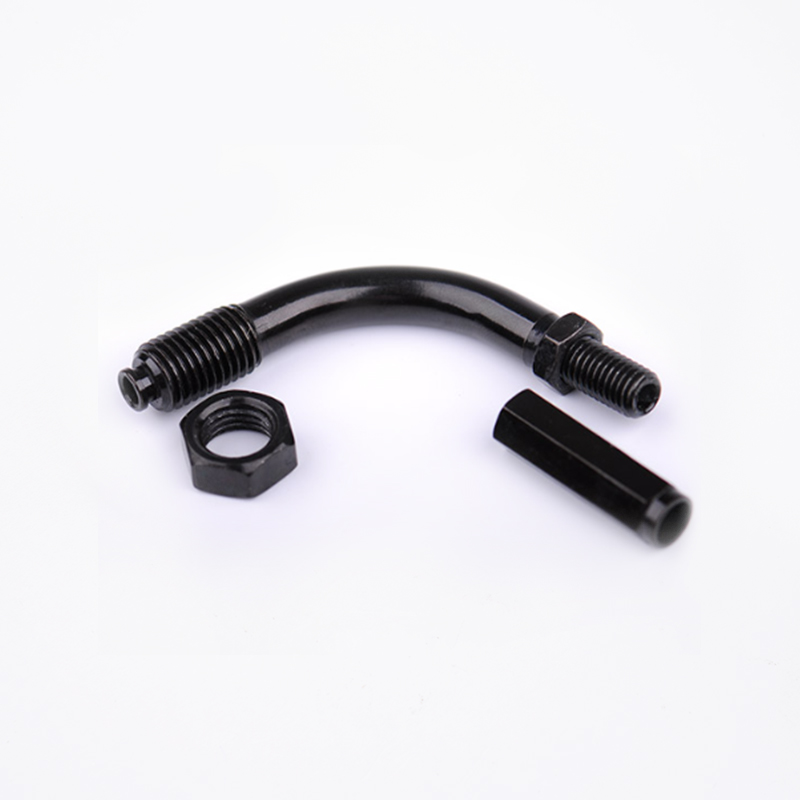
Barrel ends and adjusters – the parts that fail first.
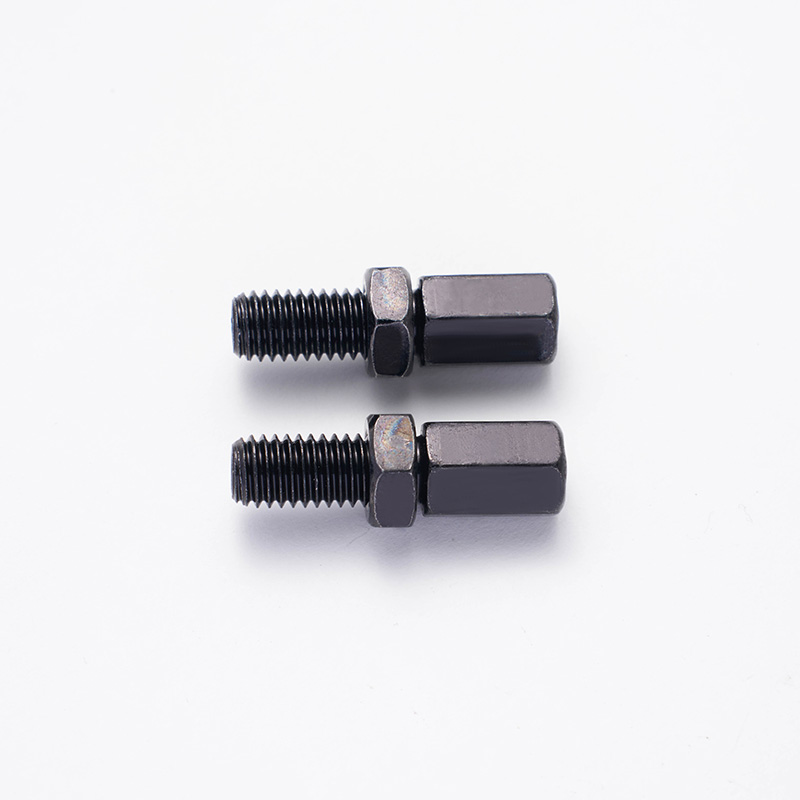
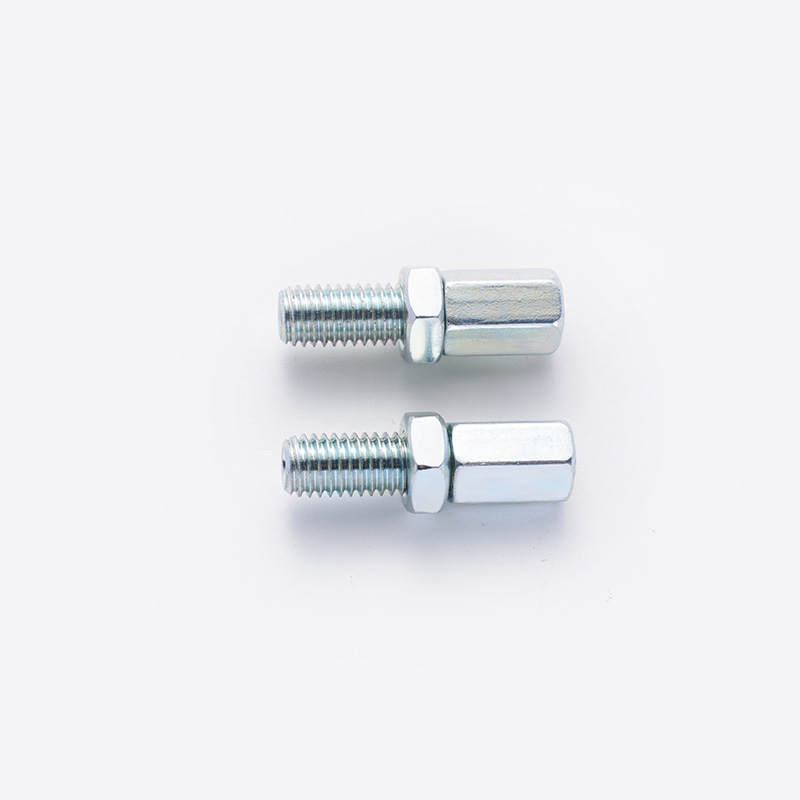
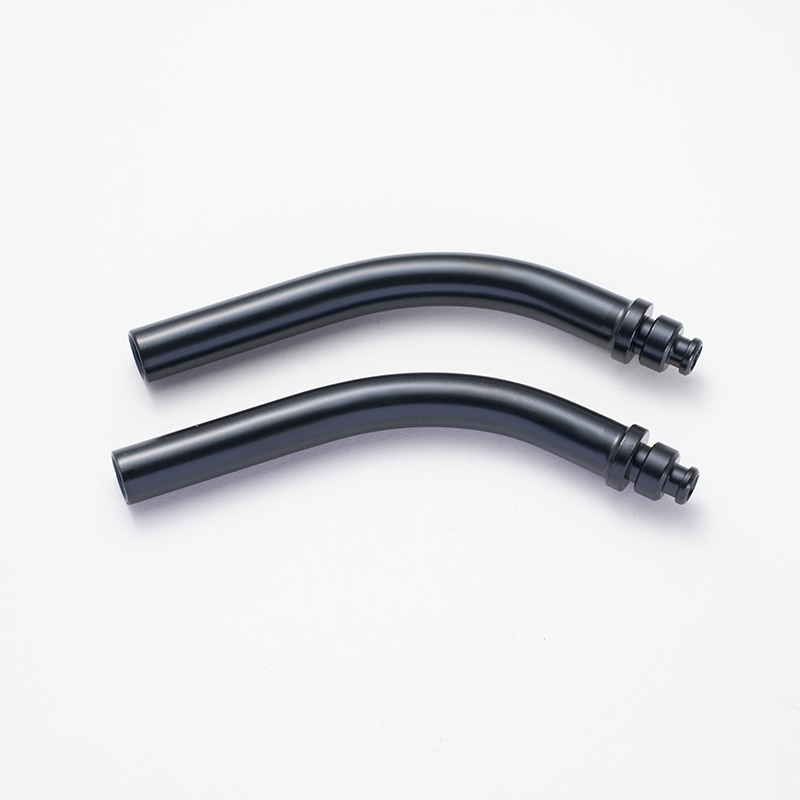
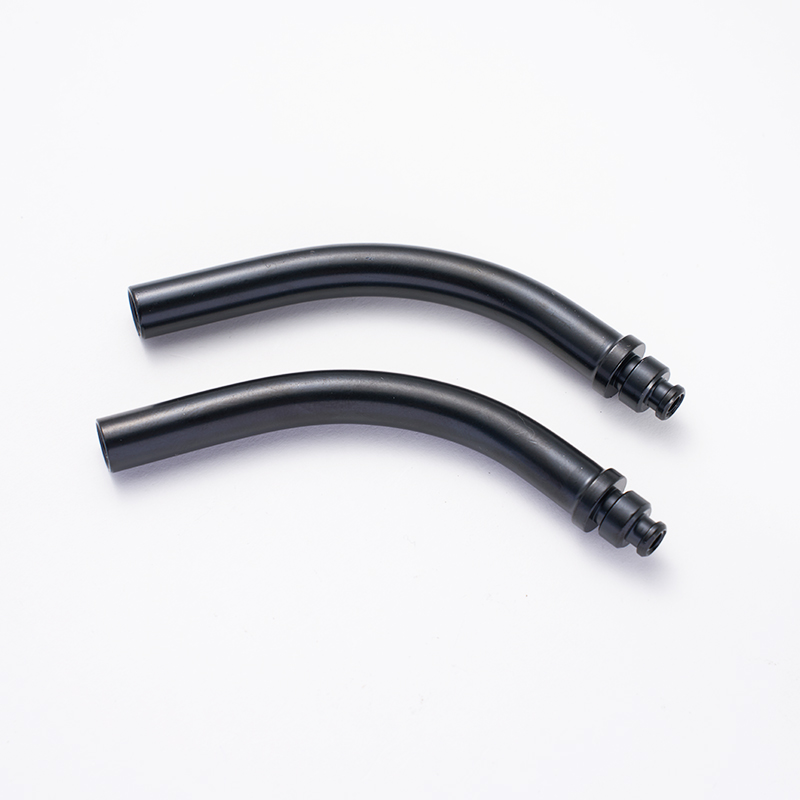
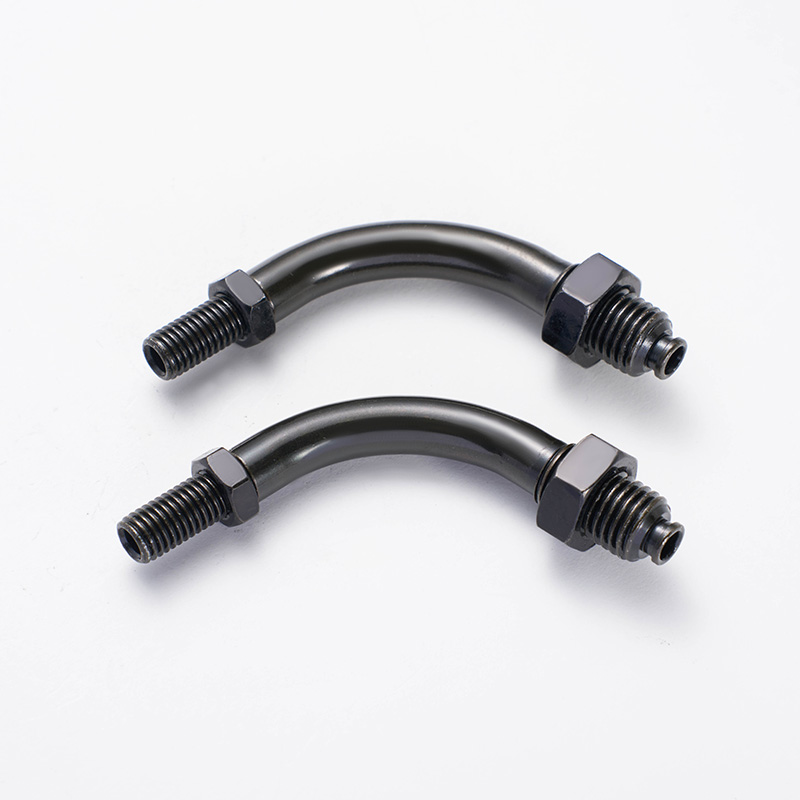
The inner cable ends have “barrels” (cylindrical or pear-shaped metal pieces) that fit into the brake lever and the brake arm. These are usually zinc-plated steel or brass. Brass barrels wear slower but are more expensive. The part that fails most often is not the cable itself but the barrel end on the lever side. With use, the barrel hole in the aluminum lever elongates from round (5–6 mm diameter) to oval (6×7 mm). This adds 2–3 mm of dead travel (free play) before the cable moves. The second failure point is the barrel adjuster—a threaded fitting where the cable housing ends at the lever perch. The adjuster has fine threads (1.0–1.25 mm pitch). Over time, dirt and corrosion lock the threads. When a rider tries to turn the adjuster with pliers, the knurled surface or the plastic ring cracks. A stuck barrel adjuster on the roadside is a common reason for a tow.
Friction and cable actuation feel.
The force you feel at the brake lever is not just the brake spring force—it includes cable friction. A new, clean, lubricated cable has 5–10% friction (e.g., 100 N at the caliper requires 110–120 N at the lever). A dirty or dry cable can have 25–40% friction. That means you need to pull much harder, and the brake may not fully release because the cable sticks. The friction comes from the inner cable rubbing against the inner liner. In a spiral-wound housing, the inner cable contacts the steel coils at every turn. With a PTFE liner, friction coefficient is 0.05–0.10 (very low). With no liner or a worn liner, the steel-on-steel friction coefficient is 0.30–0.50. Cable manufacturers measure friction by pulling a known weight and measuring the force drop. A cable that needs replacing typically shows a 30% increase in pull force compared to new.
Lubrication and cable life.
Brake cables are often called “lubricated for life” by manufacturers, but that claim holds only in dry, clean conditions. In real use—rain, road salt, dust—the lubricant (usually a lithium or silicone grease) dries out or washes away after 12–24 months. A dry cable inner wire rusts. The rust particles act as abrasive grit, wearing the inner liner. Then the brake drags (does not fully release), causing pad wear and reduced fuel economy. Standard practice among long-distance riders is to lubricate brake cables every 5,000–8,000 km or once a year. A cable lubricator tool (a rubber cone that seals around the cable end) allows spraying lubricant through the housing. Proper lubricants are light oils or cable-specific greases (not WD-40, which evaporates). A well-maintained cable lasts 30,000–50,000 km. A neglected cable may fail (inner wire strands break) or become so stiff that the brake does not fully release, overheating the brake and causing fade.

 English
  Building 33, Demonstration Park, No. 318 Chenguang Road, Eastern New District, Wenling City, Taizhou City, Zhejiang Province, China
  0086-576-86337978
  0086-576-86333878
 boo@zjmgmm.com