 boo@zjmgmm.com / 958587858@qq.com
 English
 русский
 Español
 عربى
عربى
Motorcycles are classified by their intended use, engine configuration, chassis design, and riding position. Each type has distinct characteristics that influence the design and application of outer stranding—the cables, wires, and harnesses that route controls and electrical systems throughout the machine.
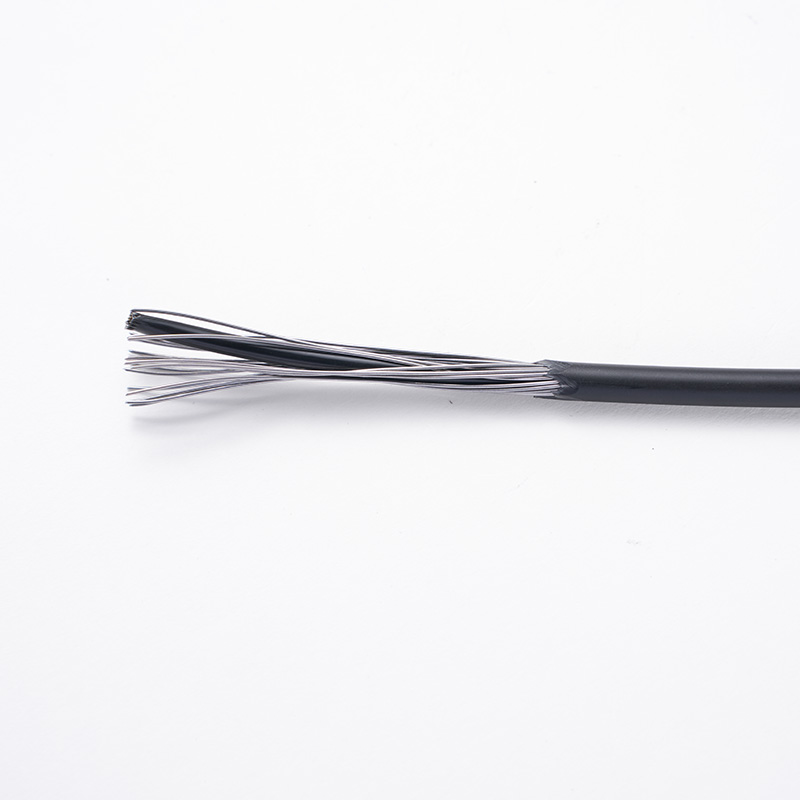
Standard (Naked) Motorcycle: A versatile design with an upright riding position, minimal bodywork, and exposed engine and frame. Engine displacements range from 125cc to 1,200cc. Outer stranding on these motorcycles is typically visible, requiring durable insulation and routing that withstands weather exposure.
Sport Bike: Characterized by a forward-leaning riding position, full fairing, and high-performance engines. Engine displacements from 250cc to 1,000cc or larger. Outer stranding must be routed within fairings with attention to heat management near high-output engines and aerodynamic considerations.
Cruiser: Low seat height, forward foot controls, and relaxed riding position. Engine displacements from 500cc to 1,900cc. Outer stranding often follows the frame contours with exposed wiring and cables. Aesthetic considerations for chrome or black finishes are important for visual integration.
Touring Motorcycle: Designed for long-distance travel with large fairings, saddlebags, and wind protection. Engine displacements from 800cc to 1,800cc. Outer stranding includes extensive wiring for audio systems, navigation, heated grips, and communication equipment. Harnesses require protection from weather and vibration over extended distances.
Adventure (ADV) Motorcycle: Combines on-road handling with off-road capability. Long-travel suspension, high ground clearance, and protective bodywork. Engine displacements from 400cc to 1,300cc. Outer stranding requires additional protection against mud, water, and impacts, with attention to routing that allows suspension travel.
Electric Motorcycle: Powered by a battery-electric drivetrain with high-voltage systems (typically 48V to 400V). Outer stranding includes high-voltage cabling with orange insulation per industry standards, low-voltage control wiring, and charging system connections. Routing must separate high-voltage from low-voltage circuits and provide protection against abrasion.
Applications of Outer Stranding on Motorcycles
Outer stranding on motorcycles encompasses all cables, wires, and harnesses that transmit power, control signals, and data between vehicle components. The applications are organized by system function.
Engine and Powertrain Control: Wiring harnesses connecting the engine control unit (ECU) to fuel injectors, ignition coils, throttle position sensors, oxygen sensors, and crankshaft position sensors. These circuits operate in high-temperature environments near the engine and exhaust. Cables must withstand continuous temperatures of 105°C to 150°C, depending on location.
Battery and Charging System: Heavy-gauge cables connecting the battery to the starter motor, alternator (stator), and main fuse panel. These cables carry high current—typically 30 to 200 amperes, depending on engine size—requiring adequate conductor gauge and insulation resistant to heat and vibration. Ground straps complete the electrical circuit.
Lighting System: Wiring for headlamp (low beam, high beam, and position light), tail lamp, brake lamp, turn signals, and license plate illumination. Lighting circuits require reliable connections to maintain visibility and compliance with vehicle safety regulations. LED lighting systems use lower current but may require dedicated controllers.
Instrumentation and Controls: Wiring connecting the instrument cluster to speed sensors, tachometer inputs, indicator lamps, and the ECU. Handlebar-mounted controls—including starter button, kill switch, turn signal switch, horn, and headlamp flasher—are connected through the main harness with flexible sections that accommodate steering movement.
Brake and Clutch Systems: Hydraulic lines for brake and clutch actuation (not electrical, but part of the control stranding). Additionally, brake light switches at the lever and pedal require wiring routed along the same paths as hydraulic lines.
Components of a Motorcycle
Motorcycles consist of integrated systems that work together for propulsion, control, and rider comfort. The components are grouped by functional system.
Frame and chassis. The structural backbone of the motorcycle. Typically constructed from steel tubing, aluminum extrusions, or composite materials. Supports all other components and provides mounting points for suspension and bodywork.
Engine. The power source. Internal combustion engines are classified by cylinder arrangement—single, parallel twin, V-twin, inline four, or flat twin. Electric motorcycles use battery packs and electric motors. Engine displacement is measured in cubic centimeters (cc) for combustion engines or kilowatt-hours (kWh) for electric.
Transmission. Transfers power from the engine to the rear wheel. A sequential manual transmission with a clutch lever is standard on motorcycles. Automatic and dual-clutch transmissions appear on some models. Final drive uses a chain, belt, or shaft.
Suspension. Front suspension typically uses telescopic forks. Rear suspension uses a swingarm with single or dual shock absorbers. Suspension absorbs road irregularities and maintains tire contact.
Brakes. Hydraulic disc brakes on front and rear wheels. ABS is standard on many models. Brake calipers apply pressure to rotors when levers or pedals are actuated.
Wheels and tires. Cast aluminum or spoked steel wheels. Tires are specialized for intended use—sport, touring, adventure, or off-road. Tire sizes vary by motorcycle type and wheel diameter.
Electrical system. The battery provides power for starting and electronics. Alternator (stator) charges the battery during operation. The wiring harness distributes power and signals. ECU manages engine operation and other systems.
Controls. Handlebar-mounted controls include throttle, brake lever, clutch lever, switches for lights and signals. Foot controls include the gear shift lever and rear brake pedal.

 English
  Building 33, Demonstration Park, No. 318 Chenguang Road, Eastern New District, Wenling City, Taizhou City, Zhejiang Province, China
  0086-576-86337978
  0086-576-86333878
 boo@zjmgmm.com