 boo@zjmgmm.com / 958587858@qq.com
 English
 русский
 Español
 عربى
عربى
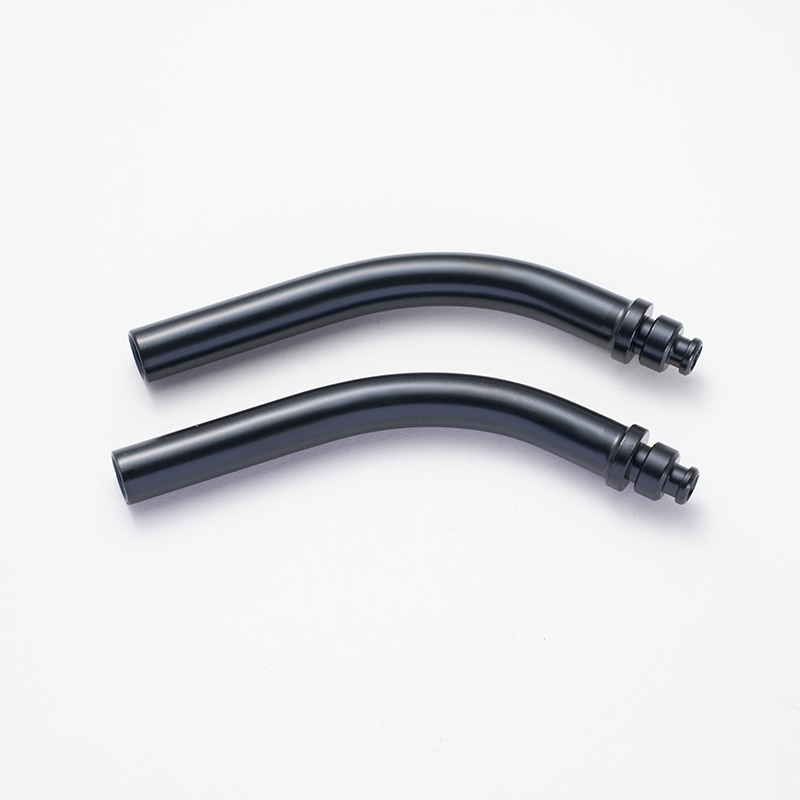
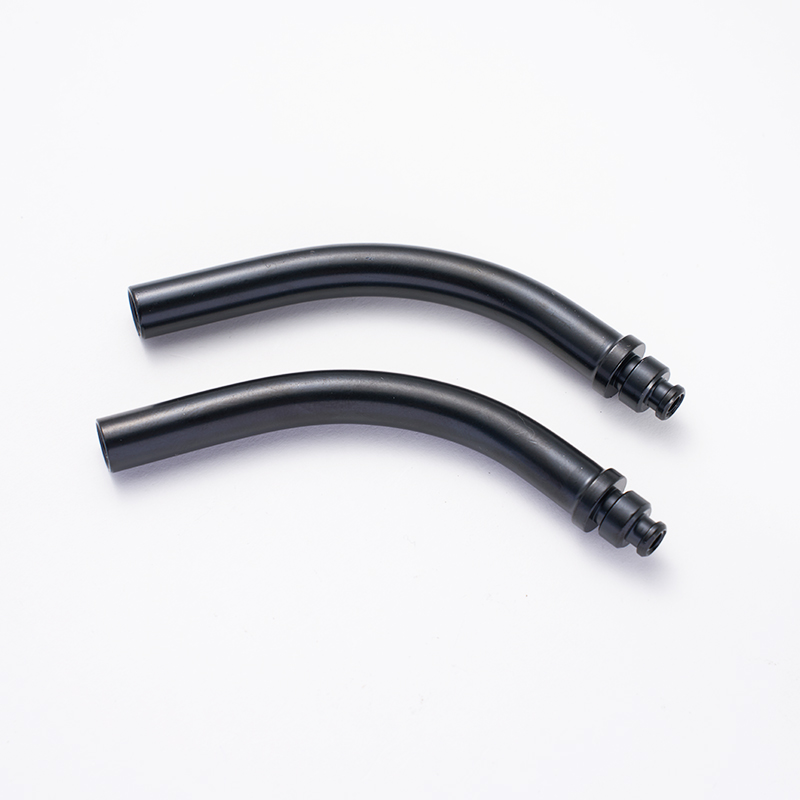
Motorcycle brake cable parts are essential mechanical components that transmit force from the rider's hand or foot control to the braking mechanism. While many modern motorcycles use hydraulic braking systems, cable-operated brakes remain common in smaller motorcycles, older models, and certain rear drum brake systems.
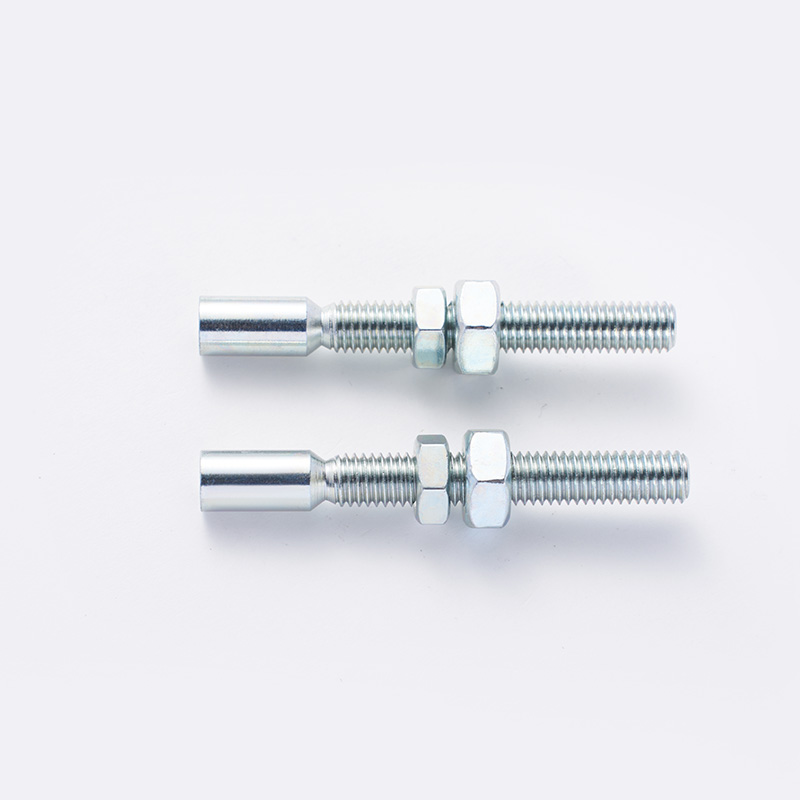
Types of Motorcycle Brake Cable Parts
Motorcycle brake cable systems consist of several interconnected parts. Each component performs a specific mechanical function within the braking assembly.
Inner Cable (Brake Wire):
Made of braided or stranded steel wire.
Transfers pulling force from the brake lever or pedal to the brake arm or cam.
Designed to withstand repeated tensile stress without stretching excessively.
Outer Casing (Cable Housing):
Surrounds and protects the inner cable.
Typically constructed from steel coil reinforcement covered with plastic or rubber sheathing.
Prevents contamination from dust, moisture, and debris.
Cable End Fittings:
Metal terminals fixed to each end of the inner cable.
Common shapes include barrel ends and pear-shaped ends.
Allow secure attachment to brake levers and brake arms.
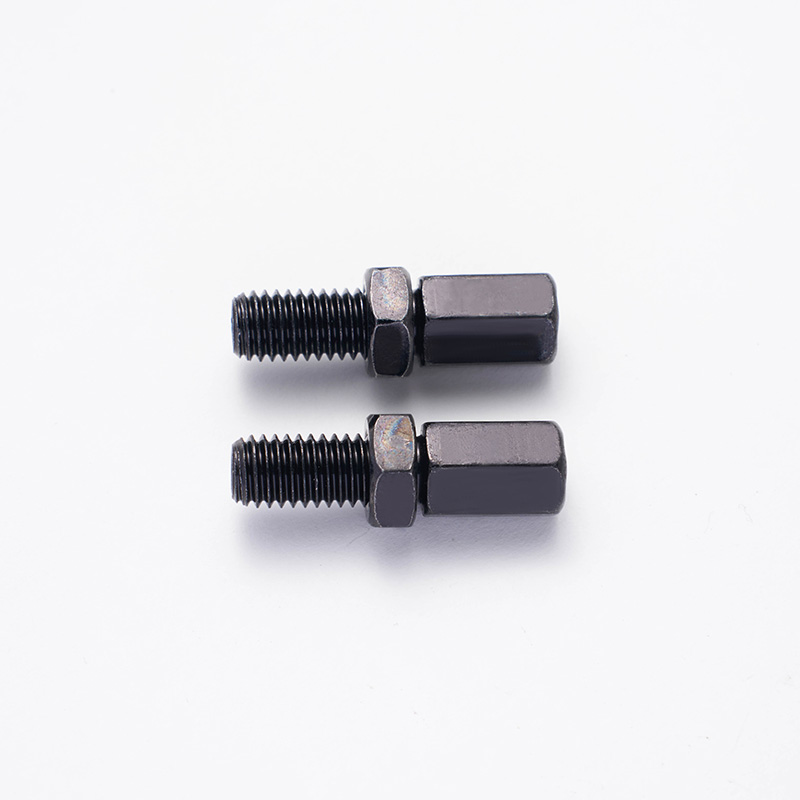
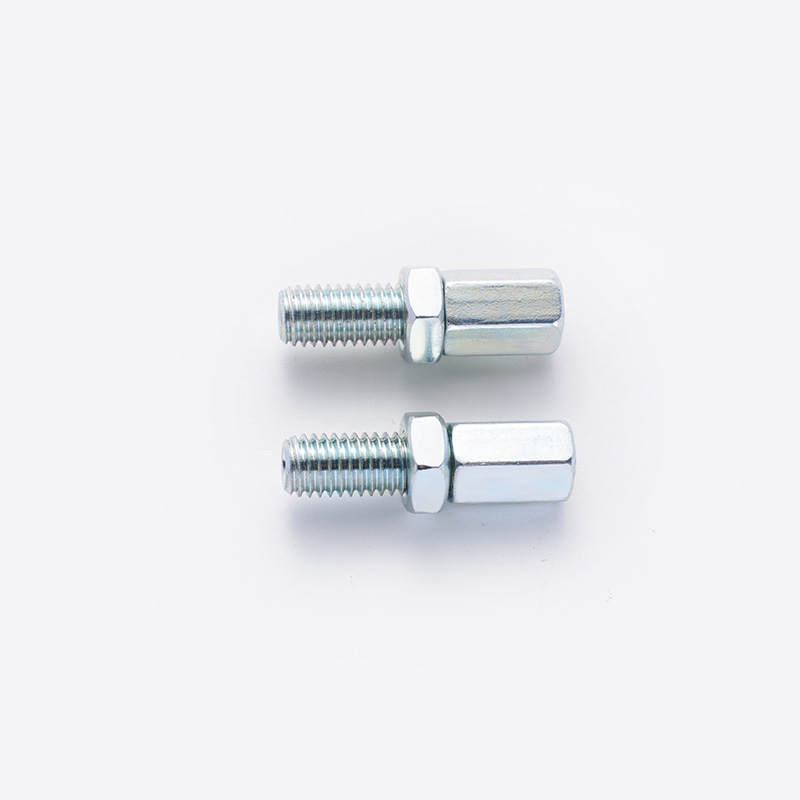
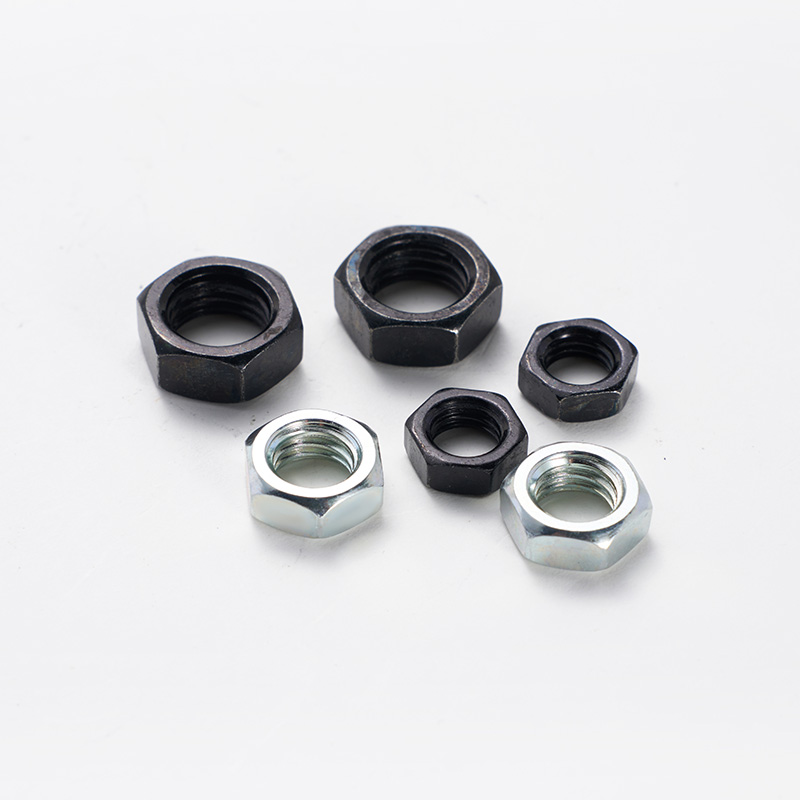
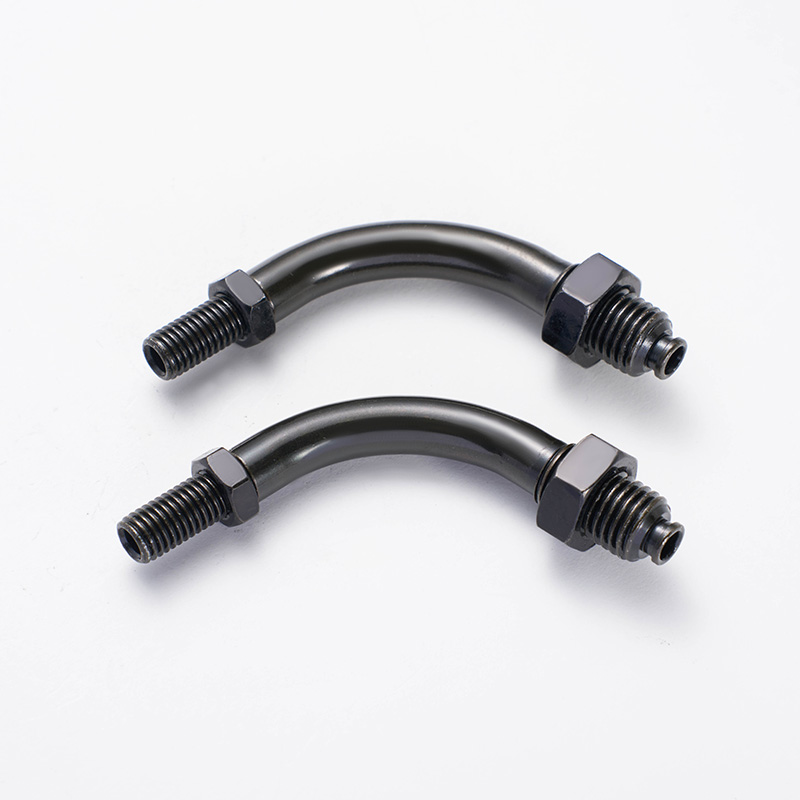
Adjusters and Lock Nuts:
Threaded components used to regulate cable tension.
Enable precise adjustment of brake lever free play.
Help maintain consistent braking response.
Rubber Boots and Protective Covers:
Positioned at cable entry points.
Prevent water and dirt from entering the housing.
Extend service life by reducing corrosion risk.
These parts work together to form a complete mechanical linkage between the rider and the braking system. Replacement components are widely available due to routine wear and maintenance needs.
Why Are Motorcycle Brake Cable Parts Worth Buying?
Motorcycle brake cable parts remain relevant because of their functional reliability, affordability, and straightforward maintenance characteristics.
Functional Reliability
Direct Mechanical Operation:
Brake cables operate without hydraulic fluid, reducing complexity.
Less dependence on seals or fluid pressure systems.
Consistent Force Transmission:
Properly maintained cables provide predictable braking response.
Tension adjustments allow compensation for gradual wear.
Suitable for Lightweight Motorcycles:
Frequently used in commuter motorcycles, scooters, and off-road models.
Adequate for drum brake systems and low-displacement engines.
Maintenance and Replacement Benefits
Simple Installation:
Many cable systems are designed for straightforward replacement.
Does not require specialized bleeding procedures as in hydraulic systems.
Lower Maintenance Costs:
Replacement cables are generally affordable.
Individual parts such as adjusters or boots can be replaced separately.
Availability in Aftermarket Supply:
Compatible parts are widely distributed.
Standardized measurements allow cross-brand compatibility in some cases.
Practical and Economic Considerations
Durability in Varied Conditions:
Steel cables withstand moderate environmental exposure.
Protective coatings reduce rust formation.
Lightweight Construction:
Cable systems add minimal weight to the motorcycle.
Beneficial for fuel efficiency and maneuverability.
Ease of Inspection:
Visible cable routing allows riders to check for wear or fraying.
Early detection reduces risk of sudden failure.
These characteristics make brake cable parts a rational investment for riders seeking dependable and manageable braking systems.
How Are Motorcycle Brake Cable Parts Designed?
The design of motorcycle brake cable parts reflects mechanical engineering principles focused on tensile strength, flexibility, and environmental resistance.
Material Selection:
Inner cables are commonly made from high-tensile steel strands twisted together to improve flexibility.
Stainless steel variants are used where corrosion resistance is required.
Outer casings incorporate steel spiral reinforcement for structural stability.
Load Distribution:
The braided structure of the inner cable distributes tensile stress evenly.
Prevents localized strain that could cause premature failure.
Friction Reduction:
Inner linings made of nylon or polymer materials reduce friction between the wire and housing.
Ensures smooth lever movement and consistent braking feel.
Precision Fittings:
End terminals are crimped or soldered securely to prevent slippage.
Designed to match lever slots and brake arms accurately.
Adjustability Mechanisms:
Threaded adjusters are integrated at lever or brake ends.
Allow riders to compensate for cable stretch over time.
Environmental Protection:
External coatings resist moisture and UV exposure.
Rubber seals minimize entry of contaminants.
The overall design balances strength and flexibility. Cables must bend along the motorcycle's frame without kinking while maintaining sufficient tensile capacity to transmit braking force effectively.

 English
  Building 33, Demonstration Park, No. 318 Chenguang Road, Eastern New District, Wenling City, Taizhou City, Zhejiang Province, China
  0086-576-86337978
  0086-576-86333878
 boo@zjmgmm.com