 boo@zjmgmm.com / 958587858@qq.com
 English
 русский
 Español
 عربى
عربى
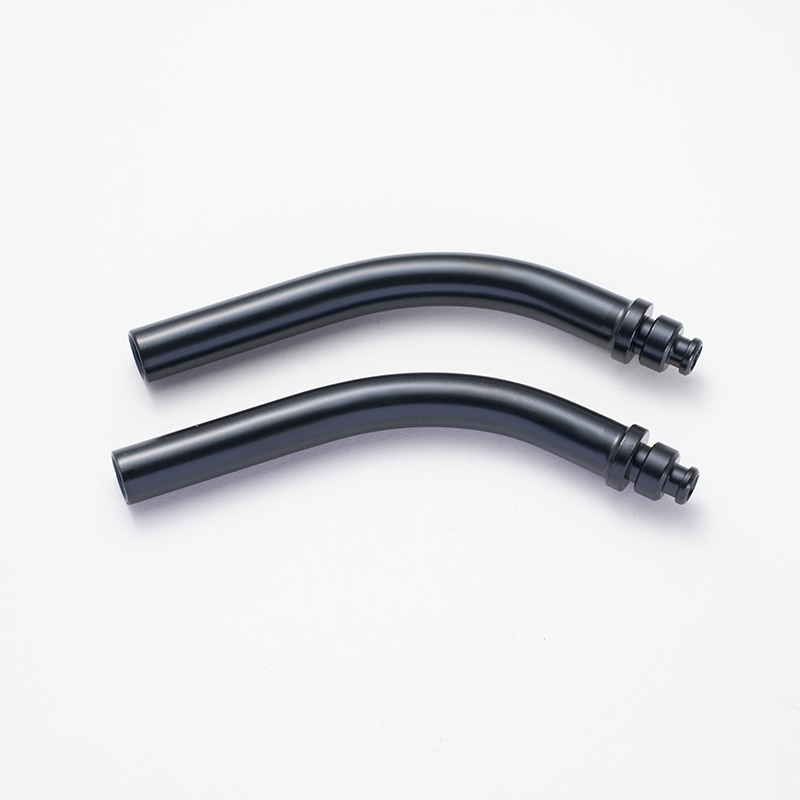
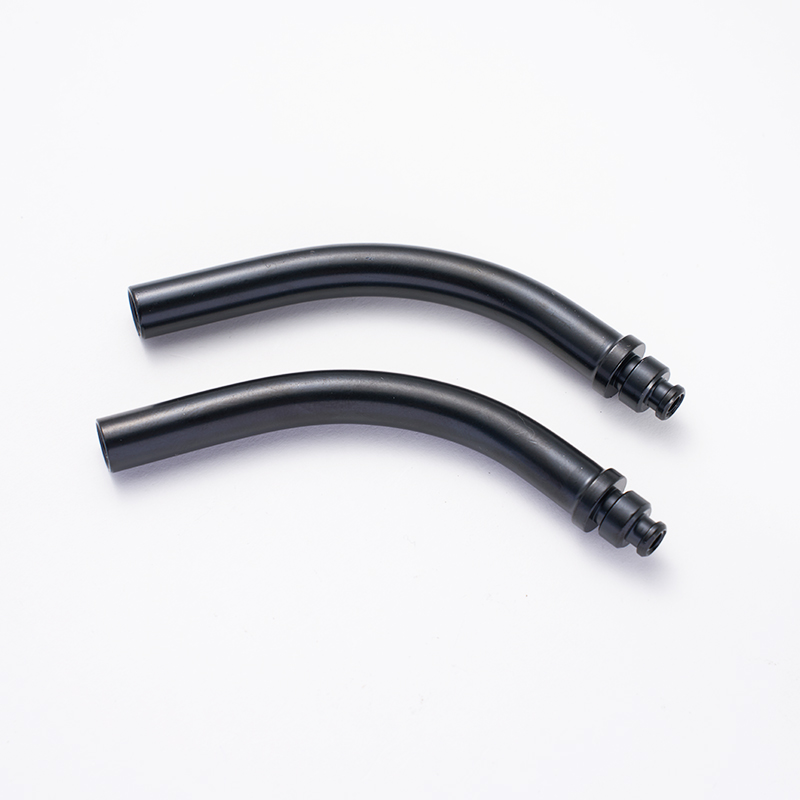
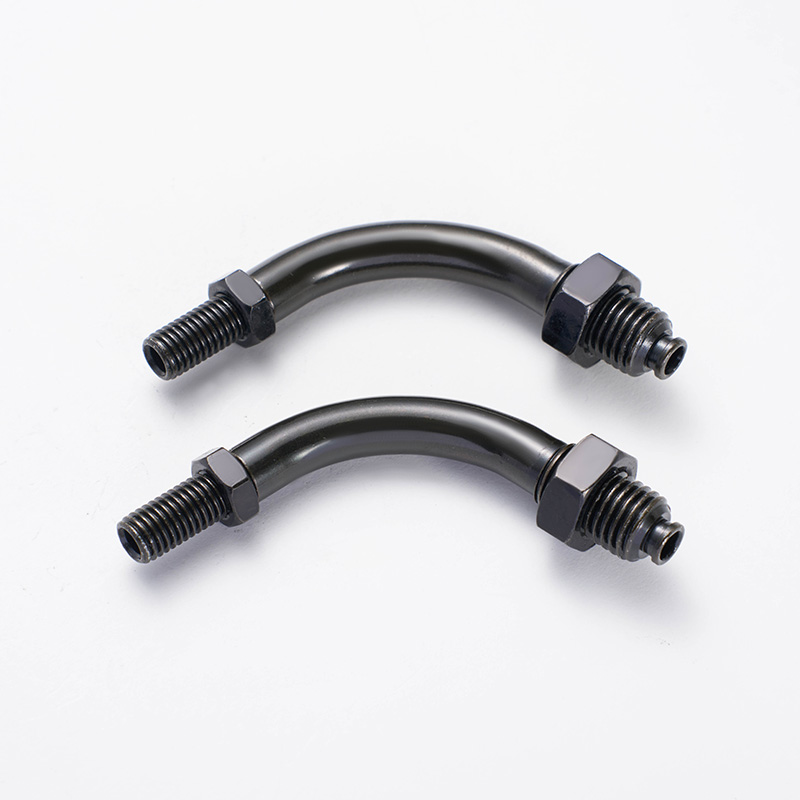
Trail environments expose cable systems to continuous shock cycles that rarely appear in road riding. Irregular terrain, repeated fork compression, and frame flex generate multi-directional stress on control lines. Under these conditions, Off-road Motorcycle Cable Accessories often display wear patterns that do not match standard mileage expectations, especially around bend zones and mounting junctions.
Field observations and component testing indicate that vibration does not act uniformly along the cable path. Instead, localized oscillation nodes form near fixed points, accelerating sheath abrasion and inner wire fatigue over time.
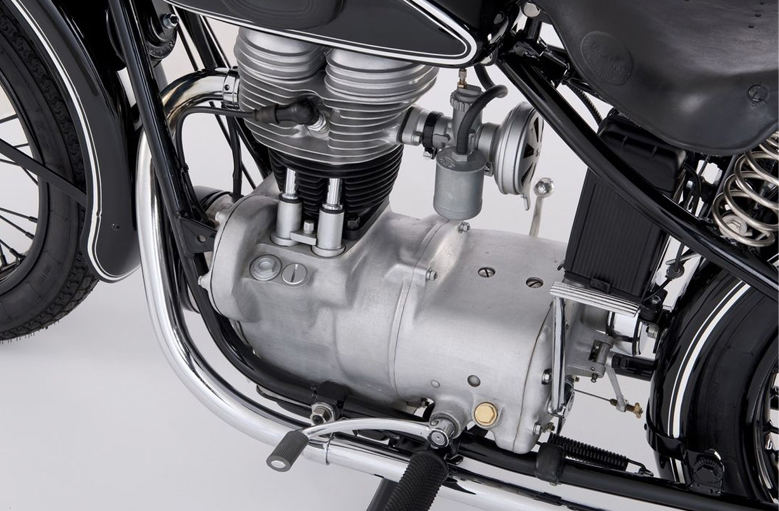
Vibration concentration zones inside cable routing
- Handlebar entry oscillation creates micro-impact wear due to repeated steering angle changes.
- Frame contact points generate friction hotspots where cable movement is partially restricted.
- Elbow guide transitions intensify bending stress under suspension rebound cycles.
- Bracket clamp zones trap vibration energy, increasing localized sheath polishing.
These zones often show uneven abrasion patterns, even when overall routing appears correctly installed.
Structural fatigue behavior under repeated terrain shock
Off-road riding introduces vertical acceleration spikes that can exceed typical road vibration intensity by several times depending on terrain density and speed. These transient loads propagate along the cable line, producing alternating tension peaks and slack compression cycles.
Over time, inner wire strands begin to shift microscopically within the housing. This movement generates frictional heating and gradual loss of coating integrity, especially in high-frequency vibration segments.
- Micro-slip fatigue develops inside inner cable strands under cyclic loading.
- Housing compression memory reduces rebound smoothness after repeated impacts.
- Localized heat buildup accelerates polymer liner degradation.
Such degradation patterns often remain hidden until throttle stiffness or clutch inconsistency becomes noticeable during riding.
Role of routing geometry in vibration amplification
Cable routing geometry plays a decisive role in how vibration energy travels through the system. Straight-line routing tends to distribute stress evenly, while multiple bends create reflection points where vibration waves rebound and concentrate.
Testing data from aftermarket cable systems shows that even slight deviations in routing radius can alter wear distribution significantly over time. Narrow bend radii tend to increase internal drag and accelerate liner wear cycles.
- Tight-radius bending sections amplify frictional load during suspension compression.
- Cable slack variation introduces intermittent shock loading instead of smooth tension flow.
- Improper clamp spacing allows harmonic vibration buildup between fixed points.
Material response differences in cable accessory systems
Different manufacturing materials respond uniquely to vibration exposure. PTFE-lined housings, stainless steel inner strands, and reinforced polymer jackets each exhibit distinct wear signatures under off-road conditions.
Lower-friction designs reduce immediate resistance but may still suffer from long-term micro-abrasion if vibration damping is insufficient. Conversely, higher-stiffness housings resist deformation but can transmit more vibration energy directly to contact points.
- Polymer liner thinning occurs under repeated micro-vibration cycles.
- Steel strand micro-fracture initiation appears at high-flex segments near endpoints.
- Outer sheath glazing develops where external abrasion meets constant oscillation.
Unexpected wear signatures during field inspection
Inspection of off-road systems frequently reveals non-uniform wear patterns that do not correlate directly with mileage. Instead, wear clusters appear at structurally sensitive points, often near steering head bearings or suspension linkage zones where vibration amplitude is highest.
These patterns can be misleading, suggesting installation defects while actually originating from cumulative resonance effects across the entire cable route.
- Asymmetric abrasion marks appear on one side of the housing due to directional vibration bias.
- Intermittent stiffness zones form where liner deformation becomes partially permanent.
- End-point fraying concentration increases near throttle or clutch interfaces.
System interpretation of vibration-induced wear
Vibration wear in off-road environments should be understood as a system-level interaction rather than isolated component failure. Cable accessories, mounting geometry, and frame dynamics interact continuously, shaping how energy is distributed across the control pathway.
Once resonance alignment occurs between frame frequency and cable tension cycles, wear accelerates in specific segments rather than spreading evenly across the full length.
Field outcome perspective
Extended trail usage gradually exposes these mechanical interactions through subtle control changes: increased grip resistance, slower return motion, or uneven throttle feedback. These signals often appear before visible cable damage becomes apparent, making early inspection of routing and accessory alignment essential for maintaining stable response behavior.

 English
  Building 33, Demonstration Park, No. 318 Chenguang Road, Eastern New District, Wenling City, Taizhou City, Zhejiang Province, China
  0086-576-86337978
  0086-576-86333878
 boo@zjmgmm.com