 boo@zjmgmm.com / 958587858@qq.com
 English
 русский
 Español
 عربى
عربى
Riding feedback issues often appear without warning, especially in systems that rely on mechanical linkage. A noticeable hesitation between wrist input and engine response is frequently tied to small deviations inside the cable pathway rather than major engine faults. Many riders trace this condition back to component alignment inside Motorcycle Acceleration Cable Accessories, where minor geometry or tolerance differences create amplified response lag at the throttle grip.
Throttle control systems depend on precise free-play and smooth inner wire travel. Industry observations show recommended free-play typically around 2–4 mm; exceeding this range introduces delayed engagement before the throttle plate reacts, creating a sense of “dead zone” at the grip.
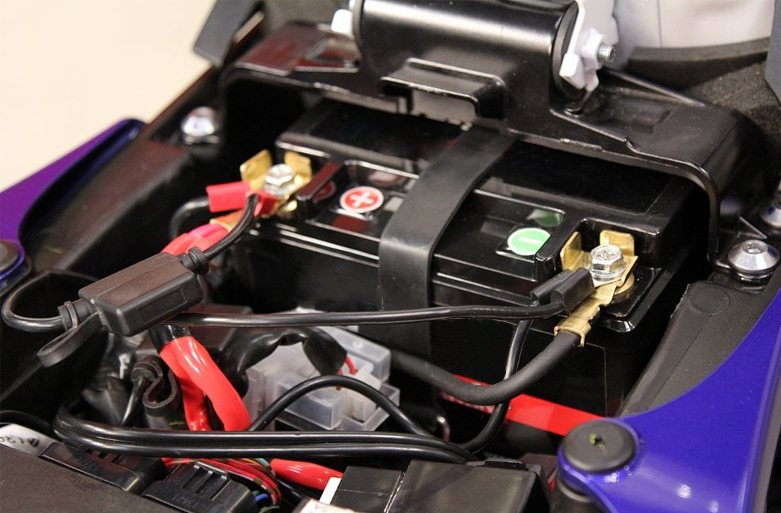
Mismatch behavior inside cable routing systems
- Elbow angle inconsistency at handlebar entry points can shift internal wire alignment, increasing friction load across bends.
- Housing diameter deviation reduces smooth sliding clearance, especially under vibration-heavy riding conditions.
- Ferrule seating imbalance creates micro-movement at junction points, producing inconsistent tension transfer.
- Inner wire coating wear increases drag coefficient, especially in dusty or wet environments.
Each of these issues may seem minor individually, yet combined effects often present as delayed acceleration input, particularly during low-speed modulation or sudden throttle application.
Mechanical response distortion under load variation
Throttle systems are designed around predictable tension return behavior. A dual-cable setup (pull and return) is commonly used to stabilize closure force and reduce reliance on spring-only return systems.
Once accessory mismatches enter the system, tension symmetry can break. This leads to uneven opening resistance where the grip rotation feels “soft” at the beginning and overly firm near mid-travel. Riders often misinterpret this as engine hesitation, although the actual delay originates inside cable friction zones.
- Tension imbalance between opening and closing lines reduces throttle neutrality.
- Return lag accumulation delays snap-back behavior after release.
- Cable stretch variance changes engagement timing under repeated load cycles.
Accessory geometry influence on throttle response curve
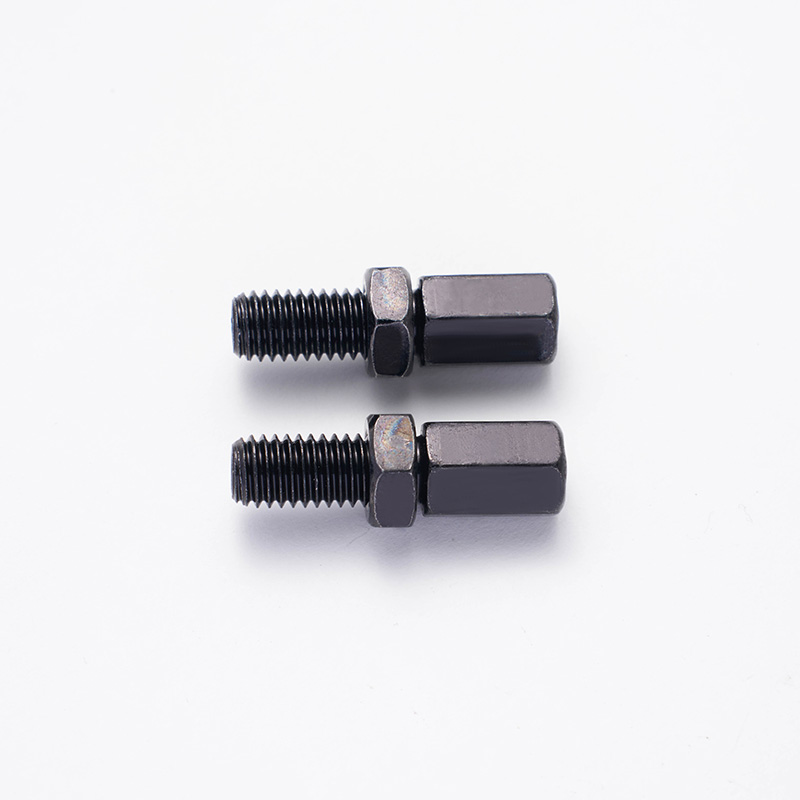
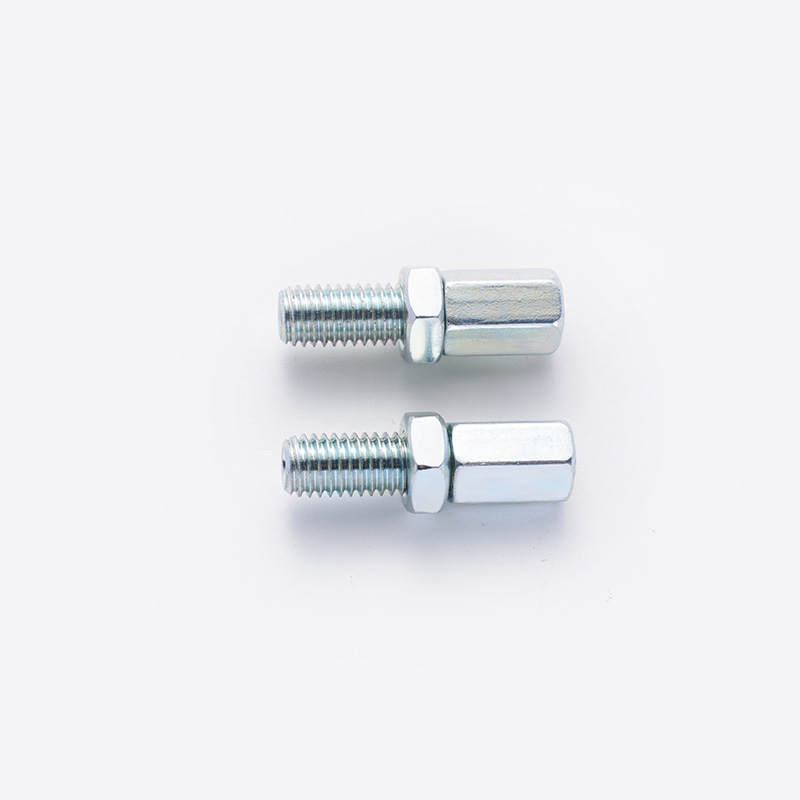
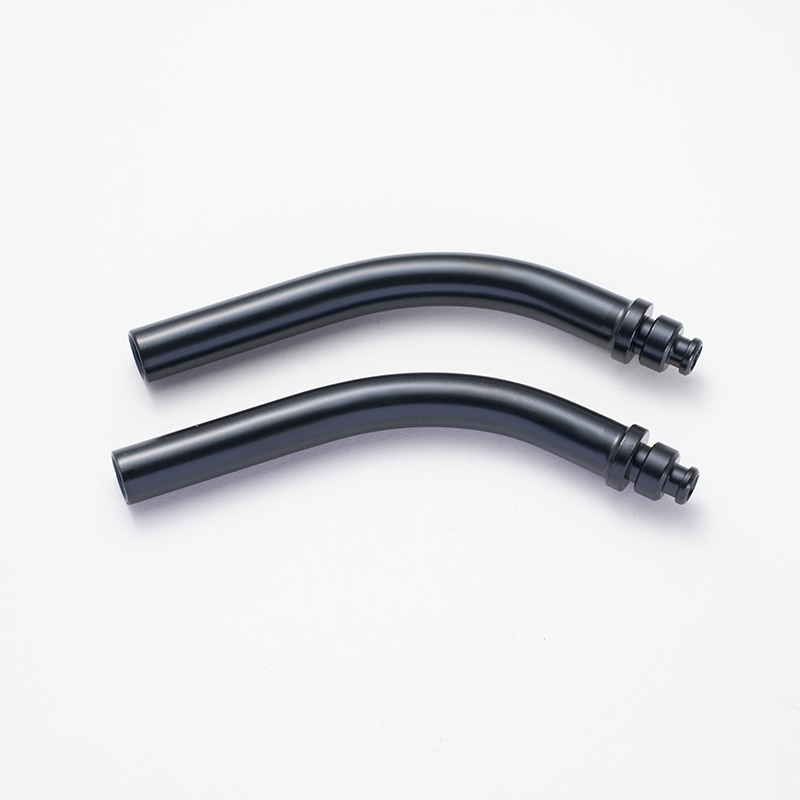
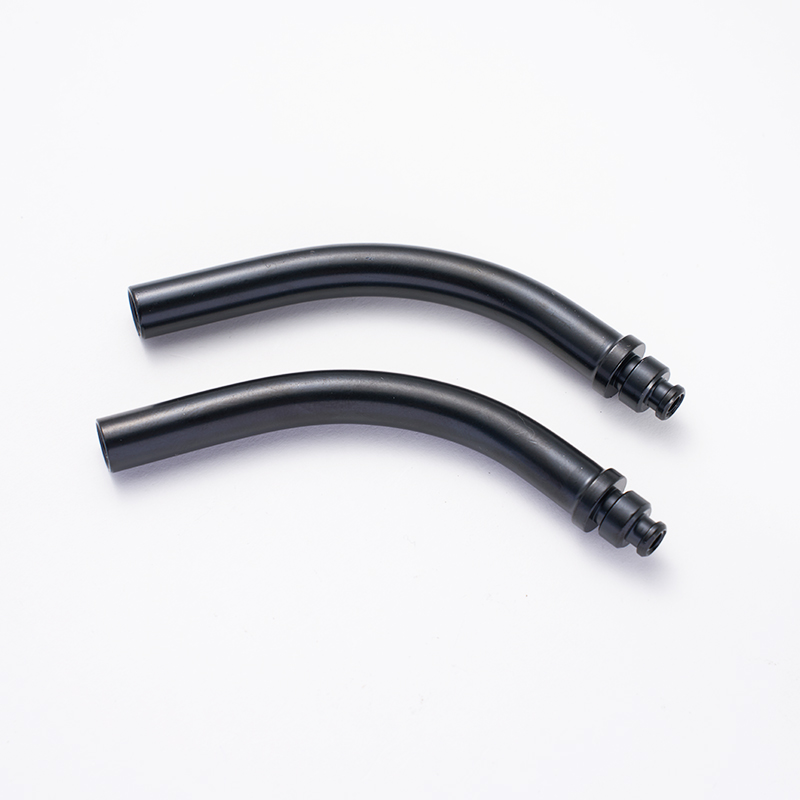
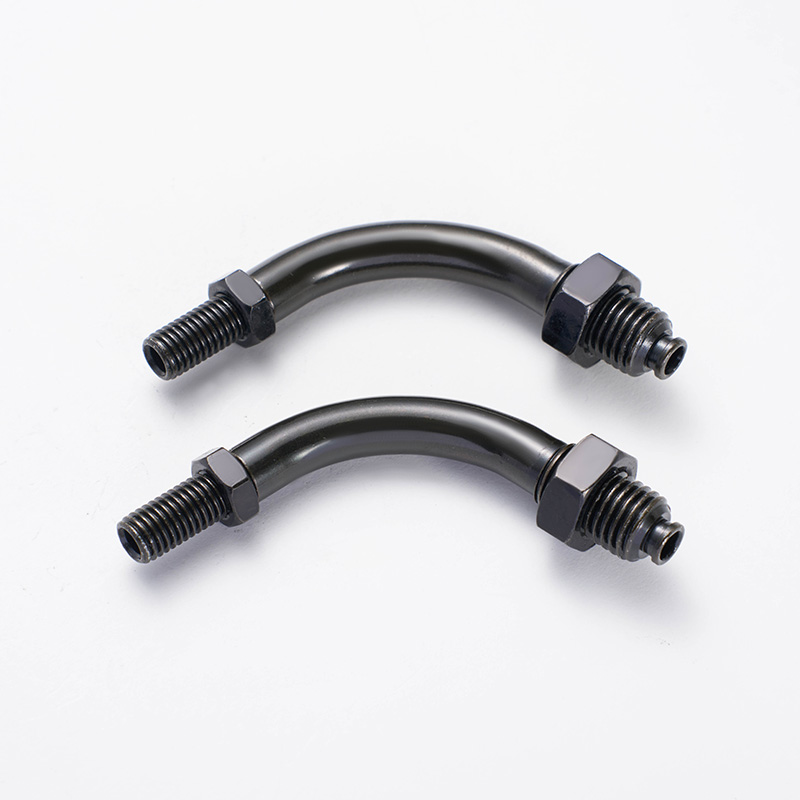
Accessory components such as throttle elbows, long screw rods, and bracket joints define how force travels from grip to carburetor or throttle body. Even slight angular offsets shift force direction vectors, producing delayed linear conversion of rotational input.
- Throttle elbow radius above design tolerance increases internal friction contact area.
- Long screw rod misalignment introduces axial drag under vibration cycles.
- Mounting bracket offset alters cable pull angle, reducing effective stroke efficiency.
These factors collectively distort the intended linear response curve, making acceleration feel delayed even though engine output remains mechanically normal.
Material tolerance and friction coefficient sensitivity
Small variations in material finishing between aftermarket components can significantly alter friction behavior. Polished inner liners, PTFE coatings, and steel wire grades all contribute to how freely the cable slides under tension.
Lower-quality accessory sets may present inconsistent internal surface roughness values, which increases stick-slip behavior. This phenomenon produces micro-jitter during throttle application, especially noticeable at partial opening ranges where precision control matters most.
- Surface roughness inconsistency increases static friction at start of movement.
- Lubricant distribution imbalance creates uneven travel resistance.
- Temperature expansion variance shifts clearance during prolonged riding.
System-level interpretation of delay symptoms
Throttle delay is often misdiagnosed as fuel delivery lag or ignition timing irregularity. However, mechanical cable systems remain the primary source in many older and mid-range motorcycles. Industry troubleshooting references repeatedly highlight cable slack, routing errors, and binding as key contributors to slow response behavior.
Accessory mismatches amplify these mechanical inconsistencies by disrupting designed load paths. Instead of a direct pull-to-response action, energy transfer becomes partially absorbed by friction zones and angular misalignment points.
Practical observation during real riding conditions
Road vibration, handlebar flex, and frame oscillation all interact with cable geometry. Under dynamic conditions, even properly installed systems can exhibit temporary delay spikes. This becomes more visible on off-road terrain where continuous vibration cycles accelerate wear at bend points.
- Vibration-induced micro-binding occurs at elbow junctions.
- Housing resonance shift alters cable seating alignment over time.
- Dust intrusion accumulation increases sliding resistance progressively.
These behaviors explain why delay may appear intermittently rather than consistently during riding sessions.
Sudden throttle delay rarely originates from engine-side faults alone. More often, it traces back to interaction flaws inside cable-based control architecture. Proper alignment of Motorcycle Acceleration Cable Accessories, stable routing geometry, and controlled friction conditions form the foundation of responsive throttle behavior. Once accessory mismatch enters the system, response timing shifts subtly but noticeably, affecting ride precision across all speed ranges.

 English
  Building 33, Demonstration Park, No. 318 Chenguang Road, Eastern New District, Wenling City, Taizhou City, Zhejiang Province, China
  0086-576-86337978
  0086-576-86333878
 boo@zjmgmm.com