 boo@zjmgmm.com / 958587858@qq.com
 English
 русский
 Español
 عربى
عربى
In the world of battery technology, particularly in electric vehicles (EVs) and energy storage systems, the type of battery cell plays a significant role in determining the performance, efficiency, and overall lifespan of the device. Two of the common battery cell types used in these applications are prismatic and cylindrical cells. Each type has its own set of advantages and disadvantages, and understanding their differences is essential for selecting the right battery for specific applications.
Design and Structure
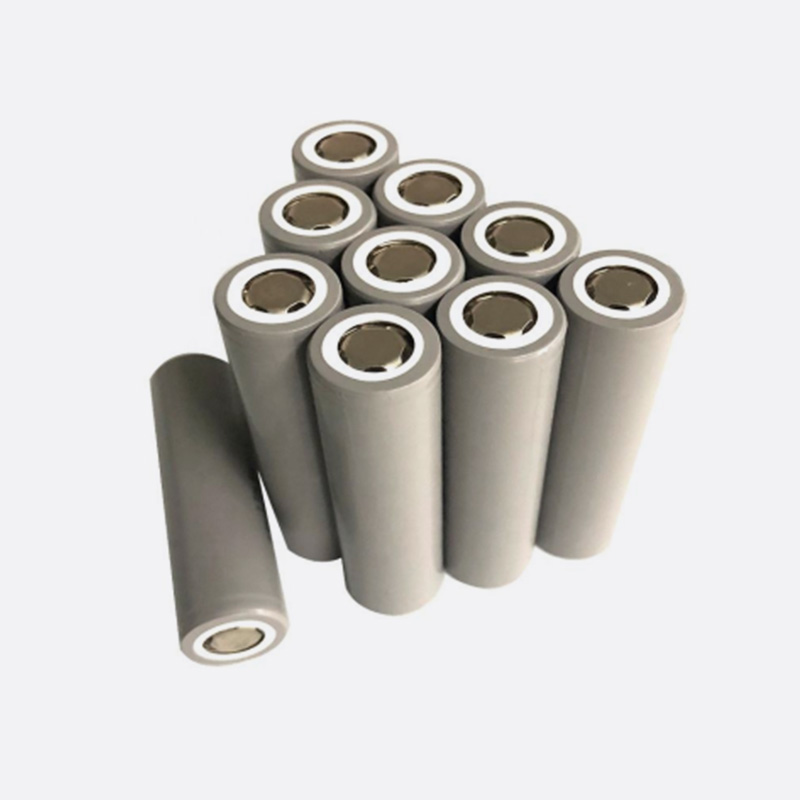
The main distinction between prismatic and cylindrical cells lies in their design and shape. Cylindrical cells are round and typically have a uniform diameter with a length that can vary depending on the model. These cells resemble a "cylinder" and are the common shape used in consumer electronics like laptops, flashlights, and power tools.
Prismatic cells, on the other hand, are flat and rectangular. They have a more compact and space-efficient design, making them suitable for applications that require battery packs with minimal wasted space, such as electric vehicles (EVs) and renewable energy storage systems. Their design allows for better utilization of available space within a battery pack, which can improve energy density and overall performance in certain applications.
While cylindrical cells are often more commonly found in consumer electronics, prismatic cells are generally used in high-capacity, large-format applications where energy density and space efficiency are key considerations.
Energy Density and Performance
In terms of energy density, prismatic cells generally have an edge. Due to their compact and optimized design, they can provide higher energy capacity in a smaller space, making them more efficient in applications where weight and space are critical factors, such as in electric vehicles. Prismatic cells can hold more energy per unit volume because of their design and the ability to pack the electrodes closer together.
Cylindrical cells, while offering decent energy density, tend to be less efficient in terms of space utilization when compared to prismatic cells. The cylindrical design inherently wastes space around the edges, which can reduce the overall available energy density for a given volume. However, cylindrical cells do provide reliable performance and can be easier to handle in smaller or more compact battery packs due to their well-established manufacturing process.
Cylindrical Cells: Features and Advantages
Manufacturing Simplicity and Cost-Effectiveness
Cylindrical cells are widely used in many industries due to their relatively simple and cost-effective manufacturing process. They are mass-produced and standardized, making them cheaper to produce than prismatic cells. This cost advantage is a major factor in their widespread use in consumer electronics, such as laptops and smartphones, as well as in applications like power tools and flashlights.
The manufacturing process for cylindrical cells is well-established, which reduces the need for customization and keeps production costs low. The uniformity in size and shape also makes cylindrical cells easier to integrate into various types of battery packs and devices, further reducing production complexity.
This simplicity and cost-effectiveness also translate to better scalability. Cylindrical cells can be easily stacked or arranged into large battery packs for applications like electric vehicles and energy storage systems, where thousands of cells are needed. For this reason, cylindrical cells are commonly found in both consumer electronics and larger-scale energy storage applications.
Durability and Safety Features
Cylindrical cells are known for their durability and robust performance in various conditions. Their design allows them to withstand more physical stress, such as vibration, shock, and temperature fluctuations, which is why they are often used in rugged applications like power tools and electric vehicles. The cylindrical form factor provides structural integrity, making it less prone to leakage or deformation under pressure compared to other cell designs.
Cylindrical cells generally have well-established safety features. They are often equipped with built-in protection circuits, such as thermal protection, overcharge protection, and short-circuit prevention, making them safer in daily use. The standardized design and widespread usage of cylindrical cells also mean that they are subjected to stringent safety and quality control standards, ensuring consistent and reliable performance.
The overall robustness of cylindrical cells has led to their use in many industries where reliability and longevity are crucial. While they may not offer the same level of energy density as prismatic cells, they provide dependable power in a variety of applications, making them a solid choice for both consumers and manufacturers.
Heat Dissipation
Cylindrical cells have a cylindrical shape, which gives them an advantage in terms of heat dissipation compared to other battery types. The round design allows for better airflow around the cell, which helps prevent overheating during high-current discharges, making cylindrical cells more efficient at managing thermal conditions. Effective heat dissipation is a critical factor in battery performance, as overheating can reduce the lifespan and overall performance of a cell.
In large-scale battery systems, such as those used in electric vehicles or energy storage systems, managing heat is vital for ensuring long-term reliability and safety. While prismatic cells offer better space efficiency, cylindrical cells typically excel in managing thermal issues due to their ability to cool down quickly. This advantage is particularly beneficial when high discharge rates are required, such as during rapid acceleration in electric vehicles or when large amounts of energy are being stored or discharged in energy systems.
Flexibility in Design
Cylindrical cells offer a great deal of flexibility when it comes to battery design. Since they come in a variety of sizes, it is relatively easy to scale up or down to meet specific requirements. For instance, in an electric vehicle, hundreds or thousands of cylindrical cells can be arranged in parallel or series configurations to achieve the desired voltage and capacity. The modularity of cylindrical cells makes them adaptable for a wide range of applications, whether it's a small-scale consumer device or a large-scale energy storage system.
The standardization of cylindrical cells also simplifies the process of sourcing replacement parts, as manufacturers typically produce a range of compatible cells that can be easily swapped out or upgraded. This flexibility, combined with the established manufacturing processes, has made cylindrical cells a popular choice across a broad spectrum of industries.

 English
  Building 33, Demonstration Park, No. 318 Chenguang Road, Eastern New District, Wenling City, Taizhou City, Zhejiang Province, China
  0086-576-86337978
  0086-576-86333878
 boo@zjmgmm.com