 boo@zjmgmm.com / 958587858@qq.com
 English
 русский
 Español
 عربى
عربى
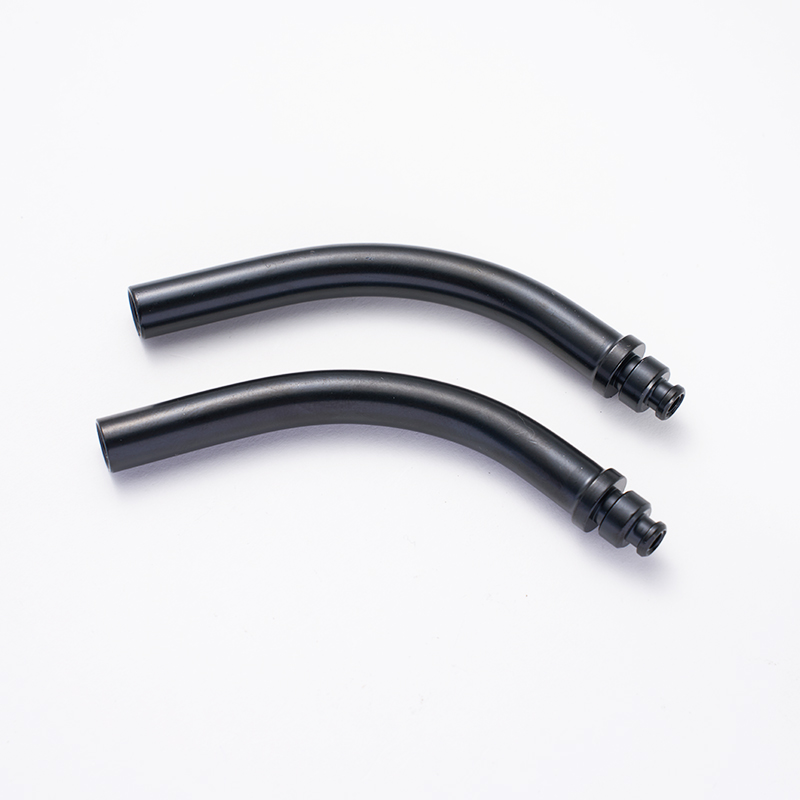
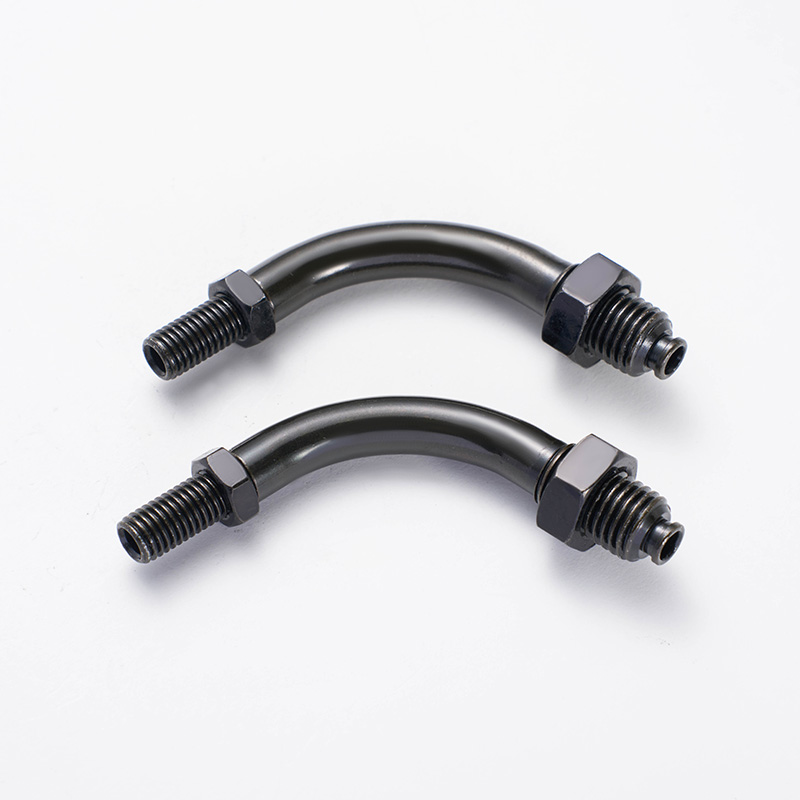
Brake cables may look simple, but the space around the cable housing can become an entry point for dust, water, mud, and other contaminants. A small cover placed at the right location can help isolate this vulnerable area. Bicycle Brake Cable Dust protection Covers are therefore more than decorative accessories. Their shape, material, and sealing structure can influence how well the cable system remains protected during everyday riding.
External cable routing makes this issue easier to notice. Cable sections may pass through frame stops, housing ferrules, brake calipers, and exposed areas where contamination can accumulate.
Where Does Contamination Enter?
Brake housing contains an inner cable that needs to move with relatively low resistance. Small gaps around housing ends can provide a path for dirt or moisture to reach this moving interface.
- Housing ends: Open interfaces can allow dust and moisture to enter the cable system.
- Exposed cable sections: Dirt can accumulate around portions of the inner wire outside the housing.
- Frame stops: Cable entry points can experience direct exposure to road spray and airborne particles.
- Brake-side connections: Rear and front brake areas can receive contamination from wet roads, mud, and wheel spray.
Technical references describe protective cable systems specifically around the problem of foreign matter entering the gap between the inner cable and housing. Accumulated contaminants can increase sliding resistance and accelerate wear between moving surfaces.

Not Every Cover Provides the Same Protection
Different Bicycle Brake Cable Dust protection Covers use different designs according to their position and intended level of protection.
- Open end caps: Provide a simple interface between housing and cable stop while keeping resistance relatively low, but offer limited contamination protection.
- Sealed end caps: Often incorporate a rubber O-ring to reduce the path available for water and grit.
- Lined end caps: Include an internal sleeve that helps prevent the inner cable from rubbing directly against the metal opening.
- Hooded covers: Extend the protective area around the cable entrance and can provide additional shielding against road debris.
Jagwire's cable guidance similarly distinguishes open, sealed, and lined ferrules according to contamination exposure and cable-contact requirements.
Protection Should Not Create Excess Friction
Adding a seal around a brake cable sounds straightforward, but excessive contact can work against the purpose of a smooth cable system. The inner wire needs enough freedom to move through the housing as the brake lever is pulled and released.
Sealing systems therefore need to balance two requirements:
- Block contaminants: Reduce the path available for dust, mud, and moisture.
- Allow cable movement: Avoid unnecessary contact that increases resistance during braking.
Specialized cable systems have used liners, end caps, and seals together to prevent contamination while limiting additional friction.
Why Housing Diameter Matters
Size compatibility is another important product detail. Bicycle brake housing commonly uses a 5 mm format, while shift housing is often around 4 mm. A cover or ferrule designed around the wrong housing diameter may fit loosely, fail to seat correctly, or interfere with the cable stop.
Some commercially available brake cable caps, for example, specify approximately 4 mm internal diameter and around 18 mm overall length. Such dimensions illustrate why buyers should check the actual housing and application rather than treating every cable cover as interchangeable.
Material Also Changes the Product Character
Plastic, aluminum alloy, rubber, and polymer-based materials can all appear in cable protection components. Material selection affects flexibility, compression resistance, sealing behavior, weight, and appearance.
- Rubber: Useful for flexible sealing around exposed cable sections.
- Plastic: Suitable for lightweight ferrules and basic housing protection.
- Aluminum: Provides a rigid housing interface and can resist deformation under cable loads.
- Lined polymer: Helps separate the moving cable from the edge of the ferrule.
Aluminum ferrules are also used because they can maintain their shape under load, while lined designs can reduce direct cable-to-metal contact.
External Routing Makes Covers More Noticeable
Externally routed brake cables expose more of the housing system to the surrounding environment. Rainwater can also travel along a cable section under certain routing conditions. Cable boots and similar covers can help interrupt this path.
Such protection becomes particularly relevant around upward-facing cable ends, low points near the wheel, and locations exposed to mud or road spray. Bicycle cable references specifically note that water entering the housing can contribute to corrosion and, under freezing conditions, can even interfere with cable movement.
What Should Buyers Compare?
- Housing compatibility: Check whether the cover is designed for the applicable brake housing diameter.
- Internal diameter: Ensure the opening accommodates the cable or housing without excessive looseness.
- Sealing structure: O-rings, rubber boots, and extended sleeves provide different levels of protection.
- Cable movement: Confirm that the protective component does not restrict normal brake operation.
- Installation position: Consider whether the cover is intended for a frame stop, brake caliper, exposed cable section, or housing end.
Small Components Can Protect the Cable System
Bicycle Brake Cable Dust protection Covers occupy very little space, yet their position puts them directly at several vulnerable points in a mechanical brake system. Properly designed covers can reduce the entry of dirt and moisture while helping preserve smooth cable movement.
Product differences become clearer after looking beyond appearance. Housing diameter, internal sleeve design, sealing method, material, and installation position all determine whether a cable cover is suitable for a particular bicycle setup. Rather than treating these components as interchangeable caps, understanding their mechanical role provides a more reliable way to evaluate brake cable protection products.

 English
  Building 33, Demonstration Park, No. 318 Chenguang Road, Eastern New District, Wenling City, Taizhou City, Zhejiang Province, China
  0086-576-86337978
  0086-576-86333878
 boo@zjmgmm.com