 boo@zjmgmm.com / 958587858@qq.com
 English
 русский
 Español
 عربى
عربى
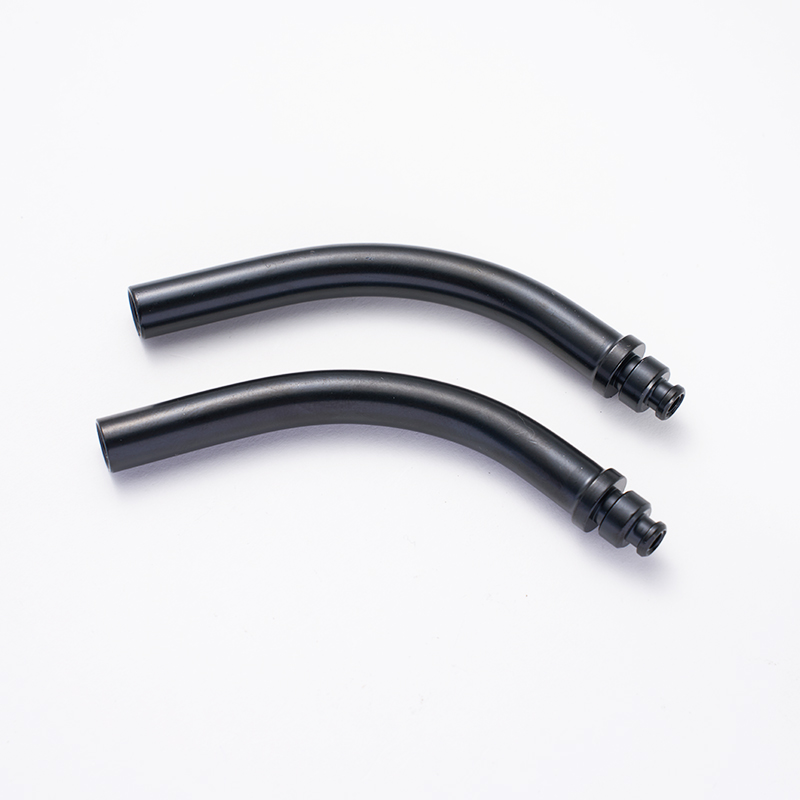
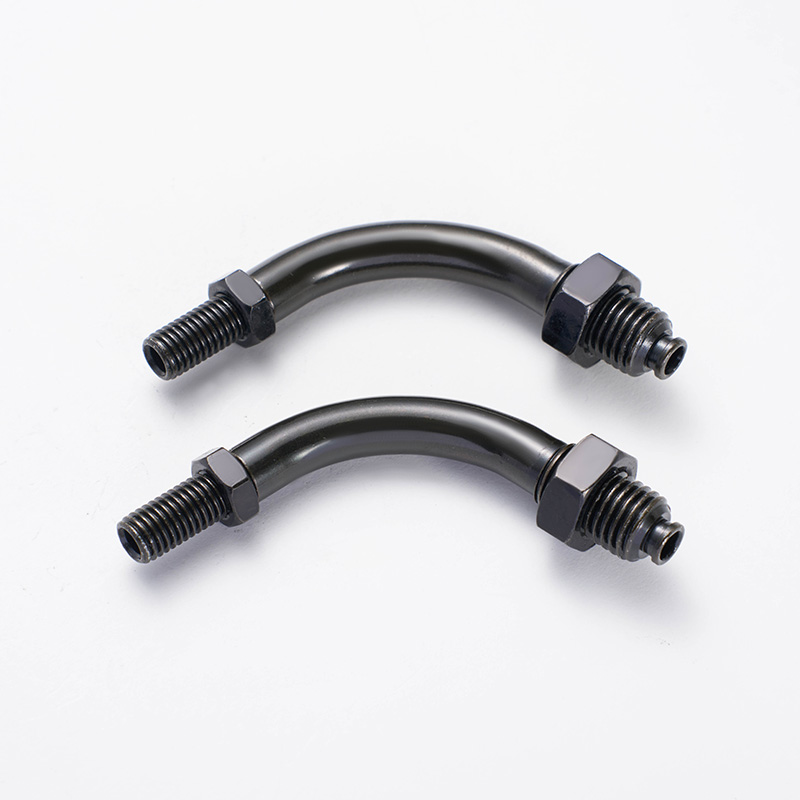
Throttle response is not determined by engine output alone. The mechanical relationship between the rider's hand and the throttle body or carburetor also shapes how a motorcycle feels during acceleration. Small components around the cable system can change this relationship, making Motorcycle Throttle Cable Accessories more relevant to riding characteristics than their compact size suggests.
Adjusters, cable ends, boots, housings, and throttle-related components can influence cable tension, movement, routing, and the amount of grip rotation required to open the throttle. Their effect becomes particularly noticeable during low-speed riding, corner exits, and rapid changes in throttle position.

Throttle Adjusters Change Initial Response
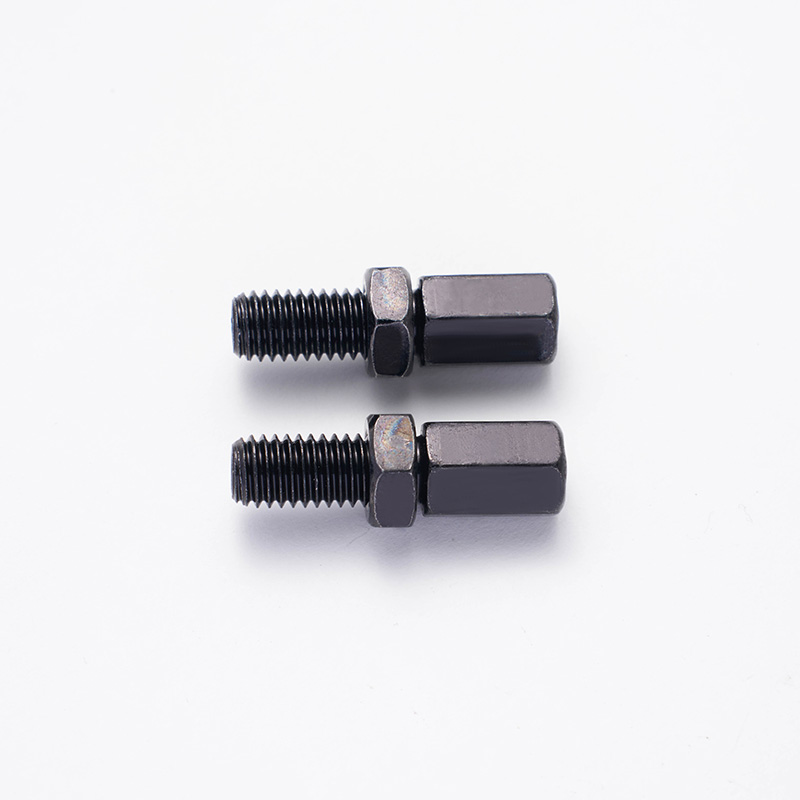
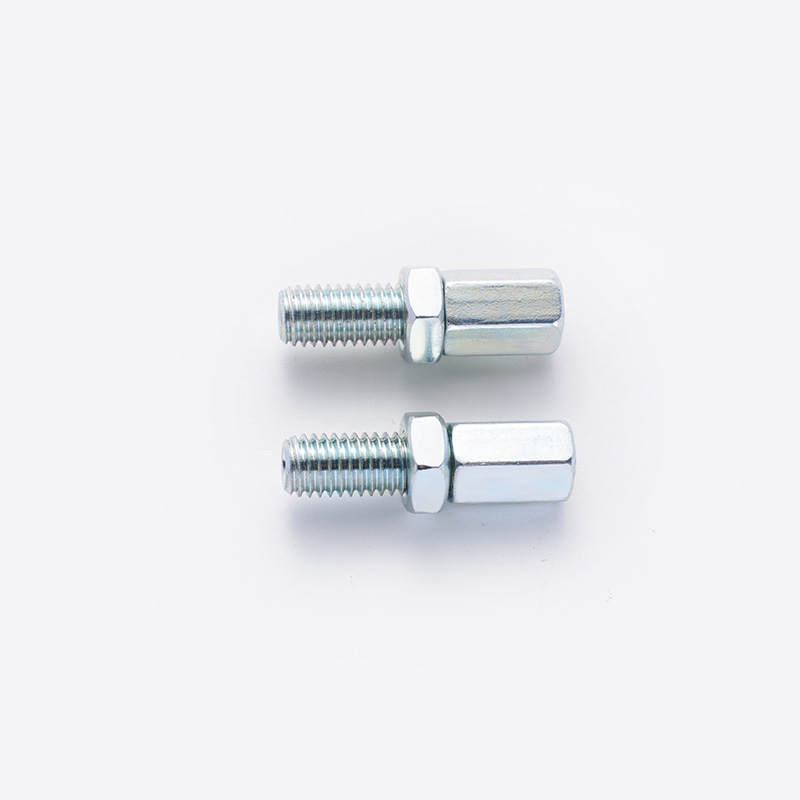
Barrel adjusters are not simply installation hardware. Their position changes the effective length of the cable housing and therefore affects throttle free play.
- More free play: Creates a small amount of grip movement before cable tension begins to increase.
- Less free play: Makes the throttle begin responding sooner after the grip is rotated.
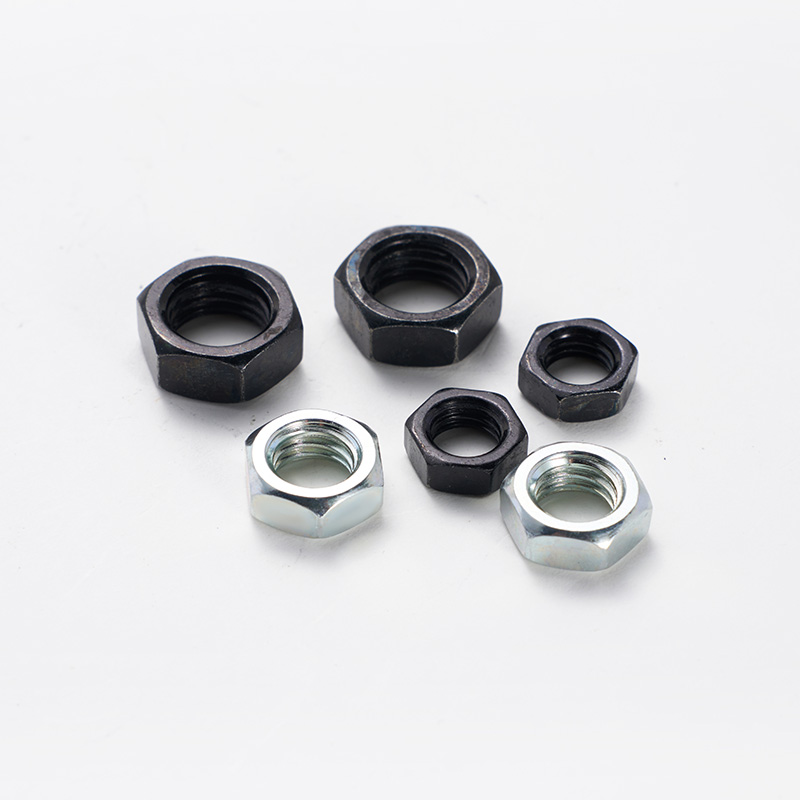
- Locknut design: Helps retain the chosen adjustment position during operation.
- Rubber dust boot: Covers the adjuster area and helps shield the adjustment mechanism from road contamination.
Many motorcycles use roughly 2–3 mm of throttle free play, although manufacturer specifications vary considerably. Some Yamaha service information, for example, specifies different ranges on different models. The owner's or service manual therefore remains the reference for the actual application.
Cable Ratio Can Change the Character of the Throttle
The relationship between grip rotation and throttle opening depends partly on the cable-pulling mechanism. Changing the effective cable ratio can make the same engine feel different from the rider's perspective.
Quick-turn throttle systems demonstrate this clearly. A larger pulley or cam can increase the amount of cable movement generated by a given amount of grip rotation. Competition-oriented quick-turn systems are designed around this principle, allowing full throttle with less wrist movement.
- Shorter rotation: Useful for applications where rapid throttle opening is desirable.
- Longer rotation: Gives the rider more grip movement to modulate throttle input.
- Different cam profiles: Can alter how cable movement changes throughout the throttle's rotation.
Small Cable Ends Still Matter
Cable ends connect the inner wire to the throttle mechanism. Their dimensions, shape, and attachment method need to correspond with the throttle tube or carburetor/throttle-body linkage.
A cable end that does not match the intended interface can create excessive movement, restricted articulation, or installation difficulties. Custom and replacement applications therefore require attention to details such as barrel diameter, cable-end length, wire diameter, and fitting orientation.
Motorcycle Throttle Cable Accessories used around these connection points should be considered as part of the complete mechanical system rather than isolated hardware.
Housing Length Influences Routing
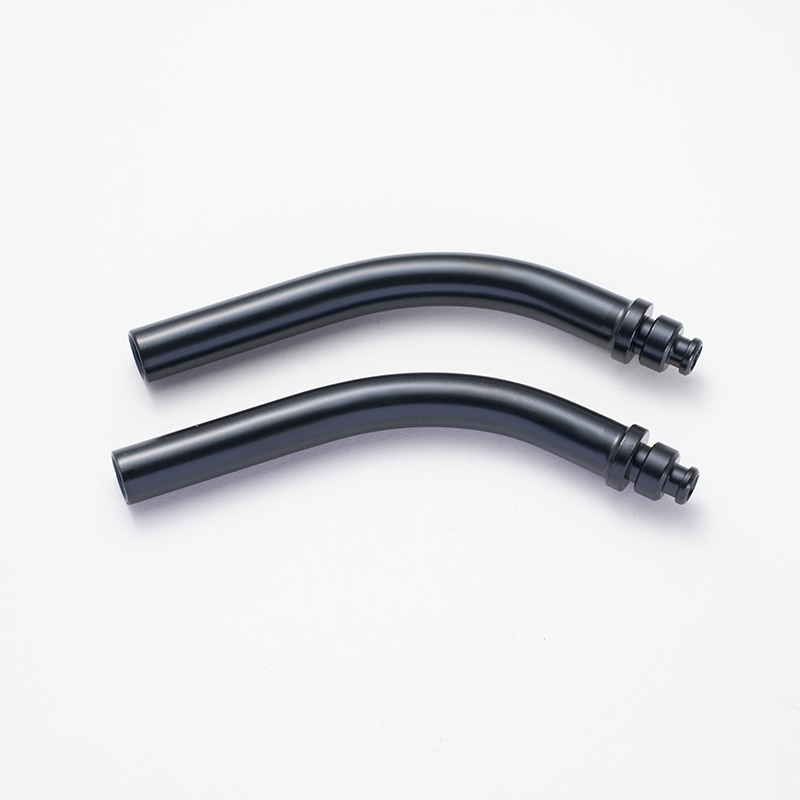
Throttle cable housing determines the path available to the inner cable. Excessive bends can increase resistance, while an unsuitable length may force the cable into a tight route around the handlebar.
Handlebar movement provides a useful real-world test. Cable routing should allow the throttle to operate smoothly with the steering positioned toward both sides. Service procedures commonly recommend checking throttle operation across the handlebar range after adjustment.
Accessory Details Worth Comparing
Buyers comparing Motorcycle Throttle Cable Accessories can look beyond appearance and basic compatibility. Several small specifications can have a noticeable effect on the final setup.
- Adjuster thread: Metric sizes and thread pitches should match the throttle housing or cable assembly.
- Cable-end dimensions: Barrel or nipple dimensions should correspond with the receiving component.
- Housing diameter: Needs to fit the applicable adjuster, ferrule, or cable guide.
- Adjustment range: Determines how much free play can be fine-tuned after installation.
- Material: Steel, stainless steel, aluminum, polymer, and rubber may be used for different accessory components.
Different Riders Notice Different Changes
Riding feel is subjective, but the mechanical changes behind it are measurable. A rider who prefers precise low-speed modulation may favor a different cable ratio from someone who wants rapid throttle opening. Similarly, a touring motorcycle may prioritize a predictable, progressive grip response, while a competition setup can use a quicker throttle arrangement.
That makes Motorcycle Throttle Cable Accessories more than replacement hardware. Their dimensions and design can influence the connection between wrist movement and throttle movement.
The Small Parts Behind Throttle Feel
Throttle cables are simple mechanical components, yet their accessories can alter free play, cable travel, routing, and response characteristics. Adjusters control the initial slack, cable ends establish the connection, housing geometry affects movement, and throttle cam or pulley design can change the relationship between grip rotation and throttle opening.
Understanding these details gives riders and parts buyers a clearer way to compare different Motorcycle Throttle Cable Accessories. Rather than treating every accessory as interchangeable, matching the component geometry to the intended throttle system can produce a more predictable riding feel.

 English
  Building 33, Demonstration Park, No. 318 Chenguang Road, Eastern New District, Wenling City, Taizhou City, Zhejiang Province, China
  0086-576-86337978
  0086-576-86333878
 boo@zjmgmm.com