 boo@zjmgmm.com / 958587858@qq.com
 English
 русский
 Español
 عربى
عربى
Lithium-Ion Integrated Series Batteries
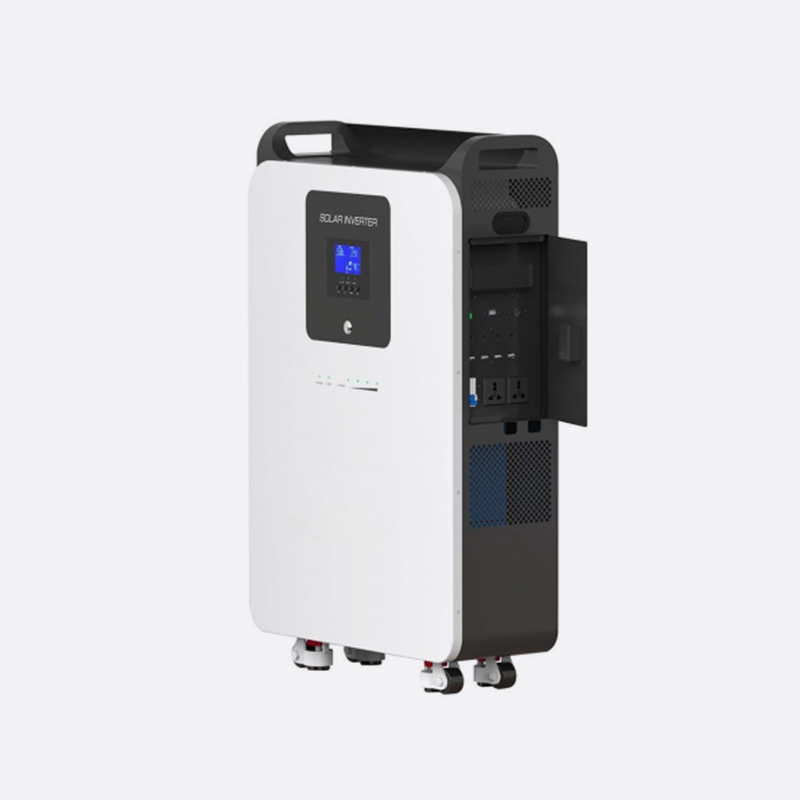
Lithium-ion integrated series batteries are among the most commonly used energy storage systems due to their balance of energy density, weight, and lifespan.
Construction: These batteries consist of lithium-ion cells connected in series to achieve the required voltage. They often include a battery management system (BMS) to monitor cell voltage, temperature, and charge levels.
Applications: They are widely used in electric vehicles, portable electronics, and renewable energy storage systems. The compact design and relatively high energy density make them suitable for applications requiring both efficiency and moderate power output.
Function: Lithium-ion integrated series batteries provide stable and predictable performance, supporting devices and equipment that need consistent energy supply.
Characteristics: They are lightweight compared to other battery types and offer flexible voltage configurations depending on the number of cells integrated.
Lithium Iron Phosphate (LiFePO₄) Integrated Series Batteries
Lithium iron phosphate (LFP) batteries are a type of lithium-ion battery known for their chemical stability and thermal resistance.
Construction: LFP integrated series batteries combine multiple LFP cells in series to achieve higher voltages. The BMS ensures balanced charging and discharging among the cells.
Applications: These batteries are commonly used in electric buses, renewable energy storage, and industrial equipment where safety, long cycle life, and reliability are critical.
Function: LFP integrated series batteries offer consistent performance over a long lifespan, with lower risk of thermal runaway compared to other lithium-ion chemistries.
Characteristics: They typically have slightly lower energy density than conventional lithium-ion batteries but are valued for safety, longevity, and stable output.
Lead-Acid Integrated Series Batteries
Lead-acid integrated series batteries are traditional energy storage systems that have been used for decades in automotive and industrial applications.
Construction: These batteries consist of multiple lead-acid cells arranged in series to provide higher voltage outputs. They include electrolyte-filled plates of lead and lead dioxide, separated by insulating materials.
Applications: Common uses include backup power systems, solar energy storage, and starting batteries for vehicles. Their robustness and low cost make them suitable for large-scale stationary applications.
Function: Lead-acid integrated series batteries are reliable for moderate power output and short-term energy storage. They are often used where weight is less of a concern.
Characteristics: While heavier and less energy-dense than lithium-based alternatives, lead-acid batteries are relatively inexpensive, easy to recycle, and tolerant to overcharging when properly managed.
Nickel-Metal Hydride (NiMH) Integrated Series Batteries
Nickel-metal hydride batteries are another type of integrated series battery with unique chemical and performance properties.
Construction: NiMH integrated series batteries combine multiple NiMH cells in series, with each cell consisting of a nickel oxide hydroxide positive electrode and a hydrogen-absorbing alloy negative electrode.
Applications: They are used in hybrid vehicles, portable electronics, and some renewable energy storage applications. NiMH batteries offer moderate energy density and relatively good durability.
Function: NiMH integrated series batteries provide stable output and are less sensitive to temperature variations than some lithium-based batteries.
Characteristics: They offer long cycle life and are safer than conventional lithium-ion batteries, but they have higher self-discharge rates and lower energy density.
Lithium iron phosphate batteries prioritize stability, safety, and longevity, making them appropriate for buses and renewable energy systems. Lead-acid batteries are cost-effective and robust, commonly used in backup and stationary power applications. Nickel-metal hydride batteries deliver stable performance with moderate energy density, often used in hybrid vehicles. Understanding these types allows users and manufacturers to select integrated series batteries that fit operational requirements, space constraints, and performance expectations.

 English
  Building 33, Demonstration Park, No. 318 Chenguang Road, Eastern New District, Wenling City, Taizhou City, Zhejiang Province, China
  0086-576-86337978
  0086-576-86333878
 boo@zjmgmm.com