 boo@zjmgmm.com / 958587858@qq.com
 English
 русский
 Español
 عربى
عربى
Vehicle safety depends on many systems working together, but the braking system remains one of the key components that drivers rely on every day. From city traffic to highway driving, reliable braking performance requires every part to operate accurately under different conditions. As vehicle designs become more advanced, the demand for dependable replacement components continues to grow.
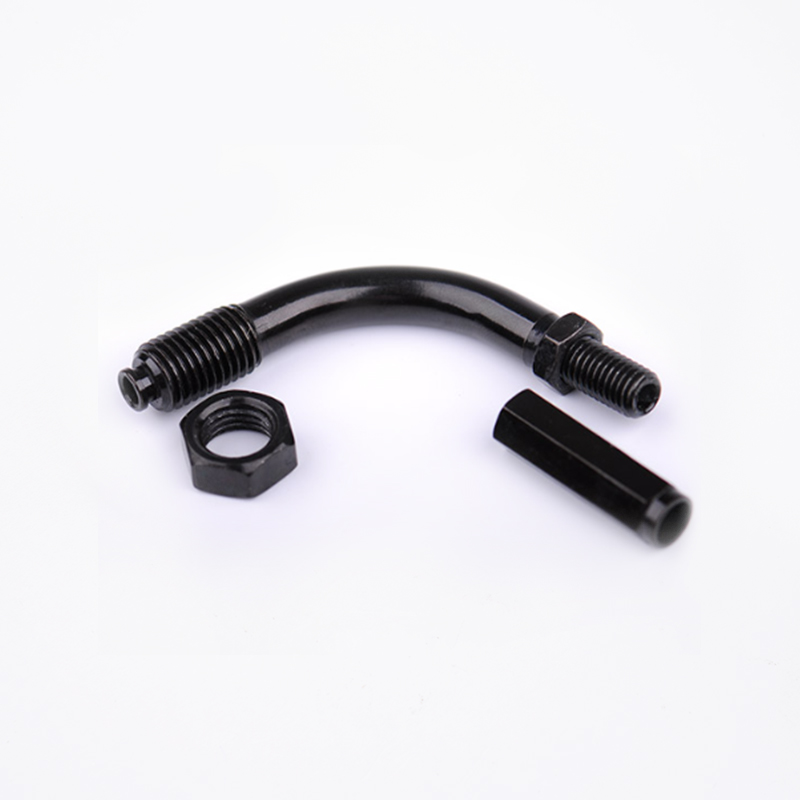
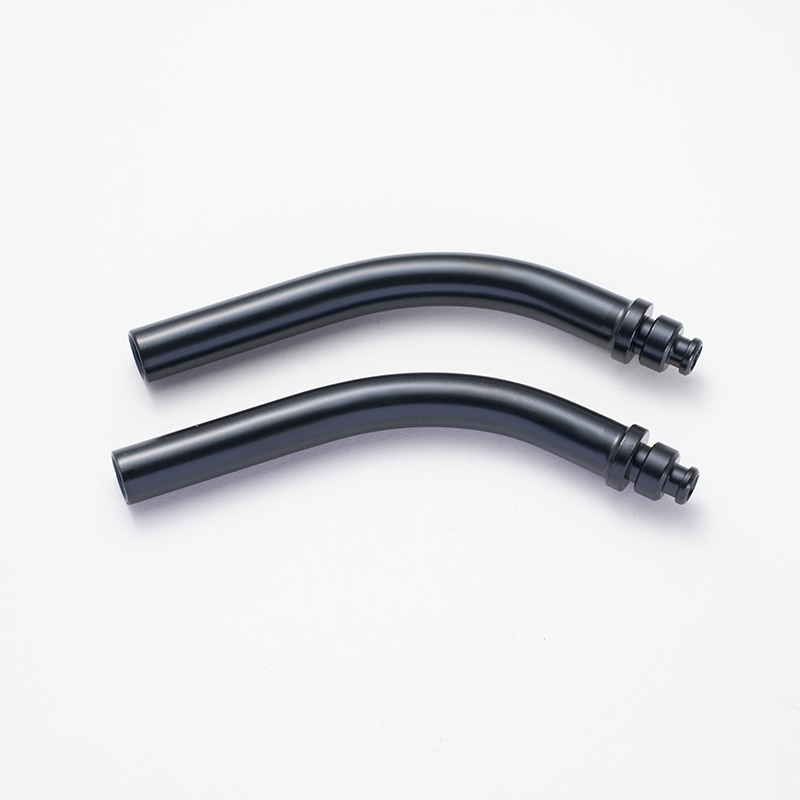
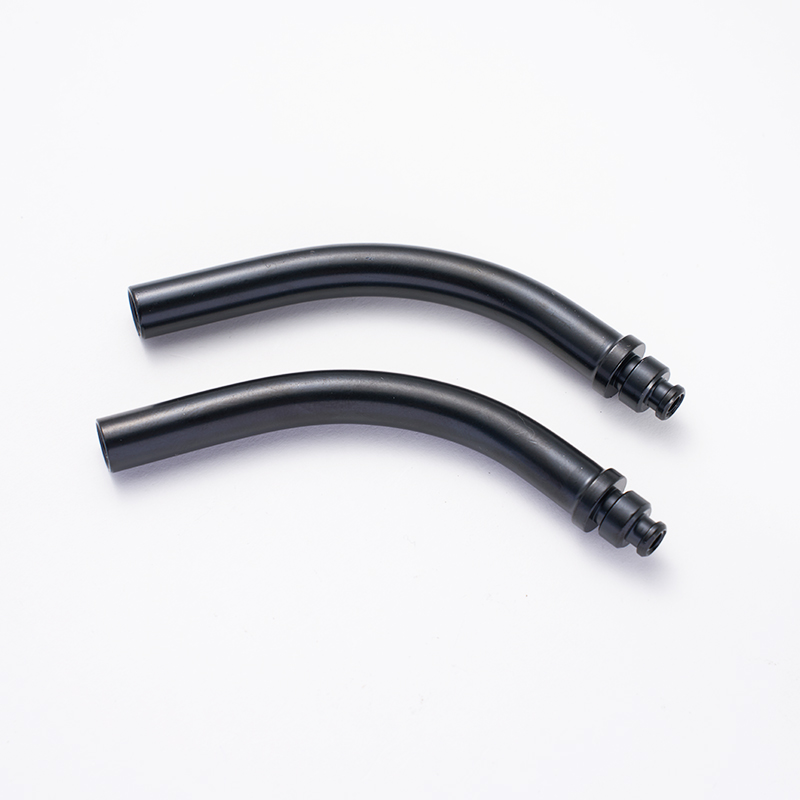
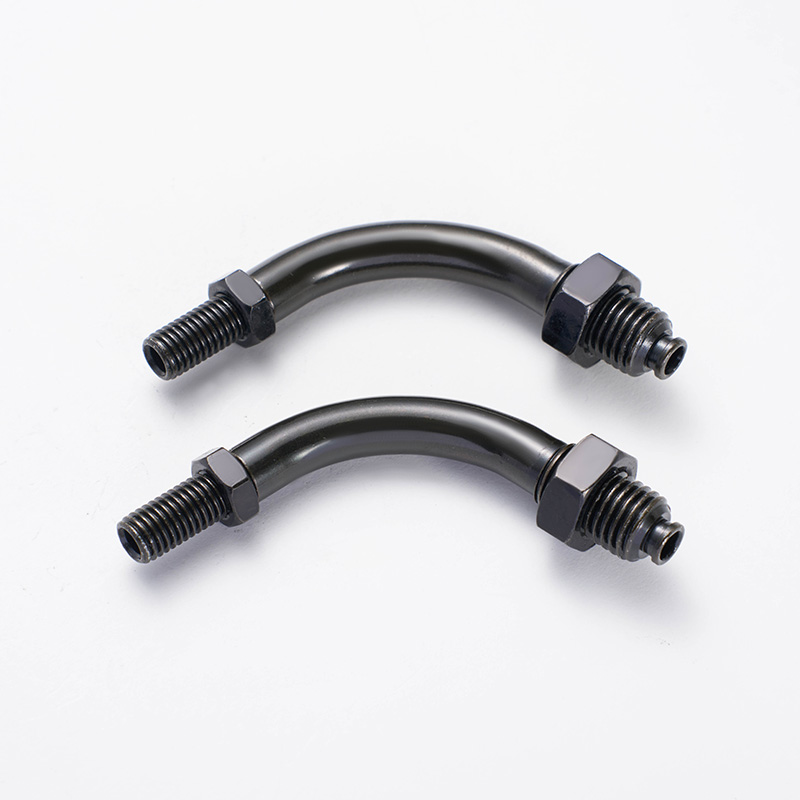
Auto Motor Brake System Spare Parts are designed to restore braking functions while maintaining compatibility with different vehicle applications. Components such as brake pads, rotors, calipers, brake hoses, and related accessories must meet strict requirements for strength, heat resistance, and dimensional accuracy. A reliable spare part is not only about replacing an old component; it is about maintaining consistent braking performance throughout the vehicle’s service life.
Material Quality Determines Brake Component Performance
Brake components experience repeated friction, pressure, and temperature changes during operation. The materials used in these parts directly influence their durability and working stability. Brake rotors, for example, must handle high temperatures generated during braking while maintaining structural strength. Brake pads require friction materials that balance stopping force, wear resistance, and noise control.
Modern brake spare parts commonly use advanced material technologies to improve performance under different driving conditions.
- Cast iron brake rotors: Provide stable heat absorption and mechanical strength for many passenger vehicles.
- Semi-metallic brake pads: Offer strong friction performance and durability under demanding applications.
- Ceramic friction materials: Help reduce dust generation and provide quieter braking operation.
- Stainless steel components: Improve corrosion resistance for specific brake system applications.
Material selection must match the vehicle type, driving environment, and expected load conditions. Different vehicles may require different friction coefficients and heat management capabilities.
Precision Manufacturing Supports Stable Braking Performance
Brake systems require accurate cooperation between multiple components. Small dimensional differences can influence installation quality, vibration levels, and braking consistency. Precision manufacturing helps ensure that replacement parts maintain proper alignment with the original braking structure.
- Accurate rotor thickness reduces uneven contact with brake pads.
- Proper caliper dimensions ensure balanced clamping force.
- Consistent machining tolerances support easier installation.
- Reliable surface treatment improves corrosion protection.
A brake system includes several connected components, including brake pads, rotors, and calipers. Each part contributes to the process of converting hydraulic pressure into braking force.
Heat Resistance Helps Components Handle Extreme Conditions
During braking, kinetic energy from vehicle movement is converted into heat through friction. Frequent braking, heavy loads, or high-speed driving can create significant thermal stress. Brake system spare parts need proper heat management to maintain stable performance.
Reliable brake components often include design features that support temperature control:
- Ventilated rotor structures improve airflow and heat dissipation.
- Heat-resistant friction materials maintain stable braking under repeated use.
- Protective coatings help reduce surface corrosion caused by moisture exposure.
- Reinforced brake hoses maintain pressure transmission reliability.
Heat management is especially important for vehicles used in mountainous areas, commercial transportation, or heavy traffic environments where braking frequency is higher.
Vehicle Compatibility Improves Replacement Accuracy
One major challenge in the automotive aftermarket is finding parts that match specific vehicle requirements. Different vehicle models may use different brake dimensions, mounting positions, and component specifications.
Auto Motor Brake System Spare Parts need accurate application information to ensure proper installation. A suitable replacement component should match factors such as:
- Vehicle model and production year.
- Brake system configuration.
- Rotor diameter and thickness requirements.
- Caliper mounting structure.
- Brake pad shape and friction surface design.
Correct matching reduces installation problems and helps maintain the original braking characteristics of the vehicle.
Advanced Testing Improves Spare Part Reliability
Reliable brake components require testing throughout the development and production process. Performance evaluation helps identify how parts respond to friction, pressure, temperature changes, and long-term usage.
Common testing procedures may include:
- Friction testing: Evaluates braking force consistency under different conditions.
- Heat resistance testing: Measures performance during repeated temperature cycles.
- Durability testing: Checks wear characteristics after extended operation.
- Dimensional inspection: Confirms component accuracy before installation.
These evaluation methods help ensure that replacement brake parts can perform reliably in real-world driving environments.
Why Drivers Pay More Attention to Brake Replacement Parts
Vehicle owners are becoming more aware that brake components directly affect driving confidence. Unusual sounds, vibration during braking, longer stopping distances, or uneven brake response may indicate that certain components require inspection or replacement.
Rather than focusing only on price, many drivers now consider factors such as material performance, manufacturing accuracy, service life, and compatibility. A suitable replacement part can help maintain vehicle control and reduce unexpected maintenance issues.
Future Development Trends of Brake System Components
Automotive technology continues to change, and braking systems are also developing with new engineering solutions. Electric vehicles, advanced driver assistance systems, and intelligent vehicle platforms are creating new requirements for braking components.
Future brake spare parts are expected to focus on lightweight structures, improved thermal management, and enhanced integration with electronic control systems. Manufacturers are exploring new materials and production methods to create components that meet changing vehicle demands.
- Lightweight designs help reduce vehicle energy consumption.
- Improved materials support longer operating periods.
- Higher precision manufacturing improves system compatibility.
- New technologies support safer and smarter vehicles.
Reliable braking performance comes from the cooperation of every component within the system. High-quality materials, precise manufacturing, proper compatibility, and effective testing all contribute to dependable brake operation.
As vehicle technology continues to develop, the role of reliable replacement components becomes increasingly important. Choosing suitable brake system parts helps vehicles maintain stable performance and provides drivers with greater confidence during everyday journeys.

 English
  Building 33, Demonstration Park, No. 318 Chenguang Road, Eastern New District, Wenling City, Taizhou City, Zhejiang Province, China
  0086-576-86337978
  0086-576-86333878
 boo@zjmgmm.com