 boo@zjmgmm.com / 958587858@qq.com
 English
 русский
 Español
 عربى
عربى
A motorcycle throttle system plays a direct role in how riders control acceleration and enjoy the riding experience. Although modern motorcycles continue to adopt advanced electronic technologies, many models still rely on mechanical throttle systems that use cables to transfer rider input to the engine. As riding habits change and motorcycles are customized for different applications, more riders are paying attention to upgrading their throttle components instead of simply replacing worn parts.
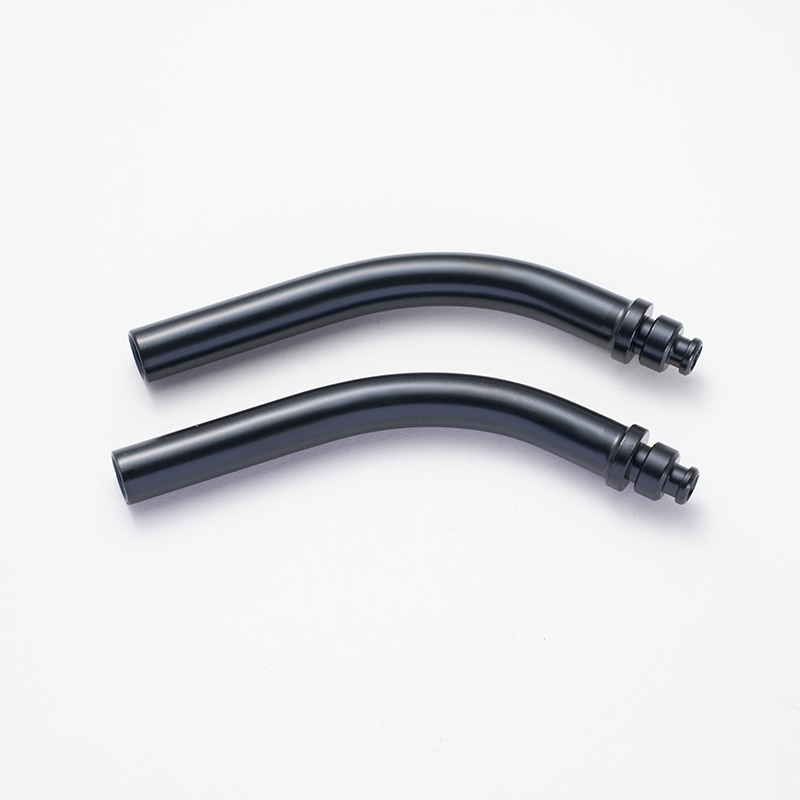
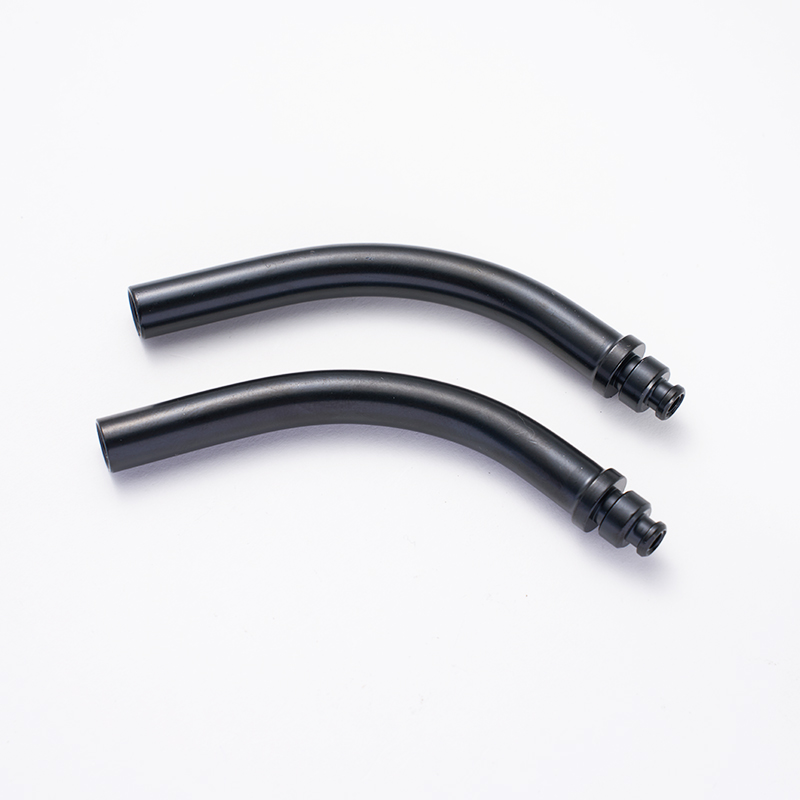
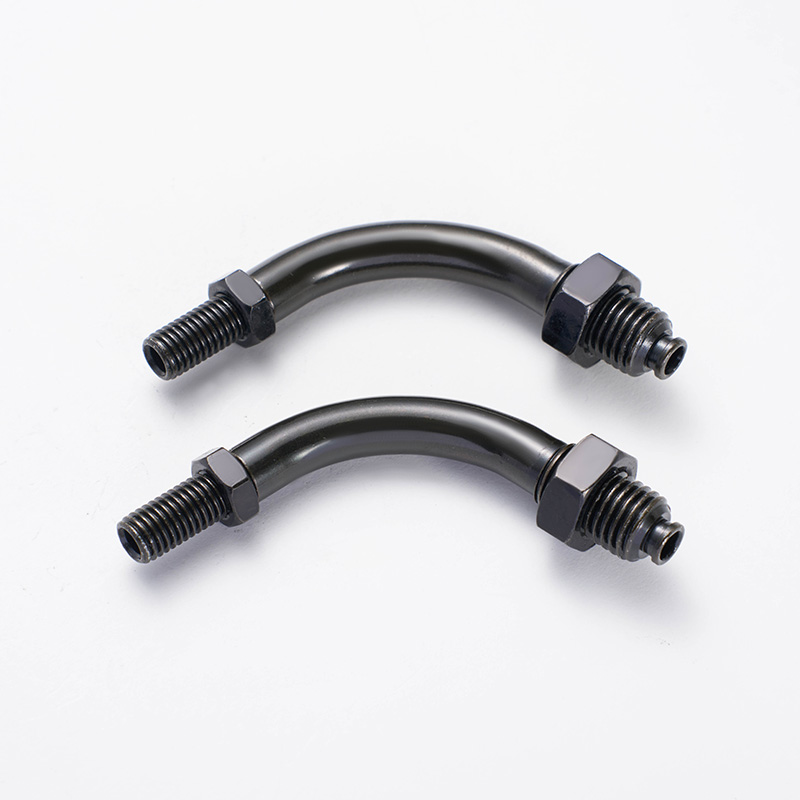
Motorcycle Throttle Cable Accessories have become a popular upgrade option because they can influence throttle response, cable movement smoothness, installation flexibility, and overall riding comfort. From daily commuting motorcycles to performance-focused bikes, riders are looking for cable solutions that match their specific needs.
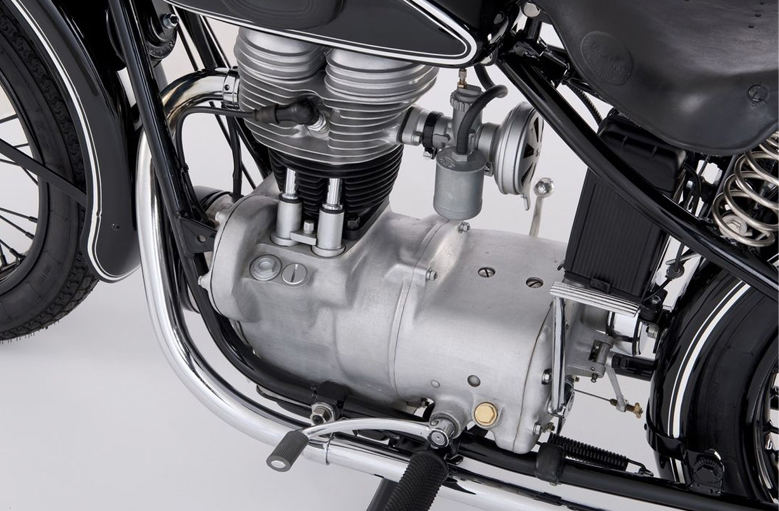
Better Throttle Response Creates a More Controlled Riding Experience
One important reason riders upgrade throttle cable accessories is the demand for more precise control. A standard throttle cable may become less responsive after long-term use because of internal friction, stretched cable wires, or aging outer housing. These issues can create delayed throttle movement and reduce the connection between the rider’s hand and engine response.
- Low-friction inner wire designs help reduce resistance during throttle operation.
- Smooth cable routing improves movement consistency between the throttle grip and engine side.
- Accurate cable length helps maintain proper throttle adjustment and free play.
Many motorcycle manufacturers recommend checking throttle operation regularly because excessive free play or damaged cable housing can affect riding control. A typical throttle free play specification is often around 3–6 mm, depending on motorcycle design and manufacturer requirements.
Customized Cable Solutions Match Different Motorcycle Modifications
Motorcycle owners frequently modify handlebars, grips, throttle tubes, or control layouts. These changes can create new requirements for cable length and routing. A factory-installed cable may not always fit properly after customization, especially on motorcycles with higher handlebars or aftermarket control components.
Upgraded throttle cable accessories provide more flexibility through different length options, connector designs, and fitting choices. Riders can choose components according to their motorcycle model, riding style, and modification plans.
- Length adjustment: Different cable lengths support various handlebar configurations.
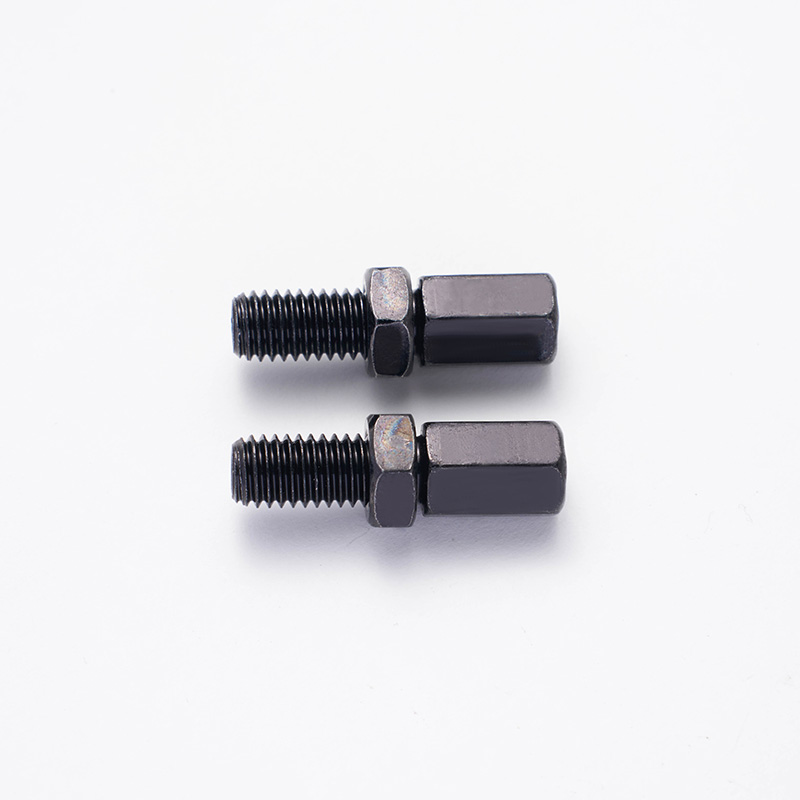
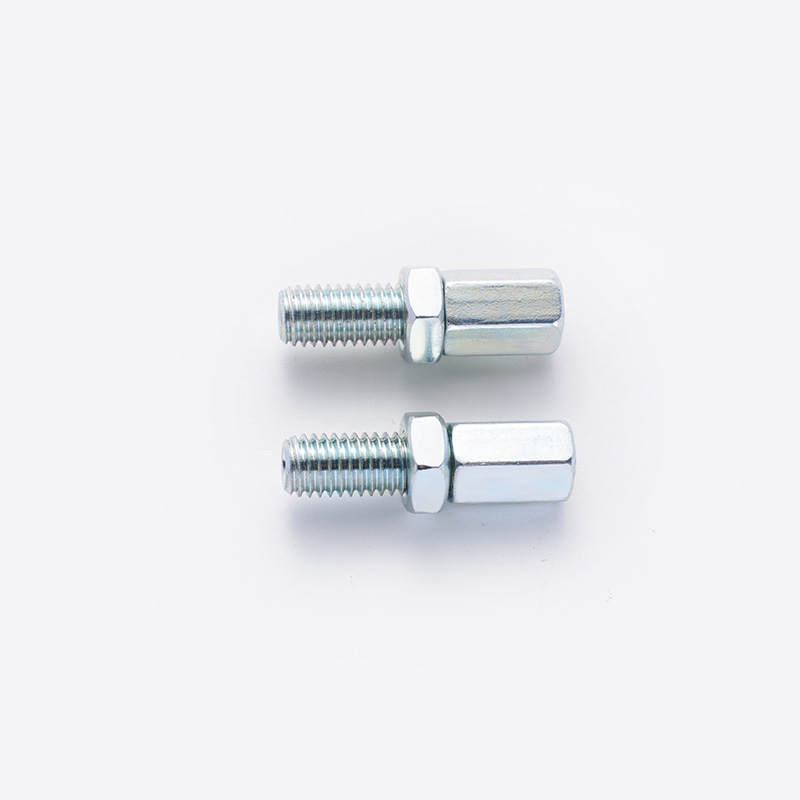
- End fitting options: Various barrel ends and connectors improve compatibility with different throttle bodies.
- Routing flexibility: Proper cable design helps avoid sharp bends and interference with other components.
Advanced Materials Improve Cable Durability
Material selection has a major impact on throttle cable performance. Traditional steel wire cables are widely used because they provide strength and reliable mechanical transmission. However, upgraded designs may include stainless steel inner wires, coated cable surfaces, and reinforced outer housings to handle demanding riding environments.
Common technical features found in upgraded throttle cables include:
- Stainless steel wire rope construction for corrosion resistance.
- Low-friction coating layers to reduce internal wear.
- Flexible outer housing with protective layers against dust and moisture.
- Metal end connectors designed for repeated movement cycles.
These features are especially valuable for motorcycles used in outdoor environments, off-road riding, or areas with frequent temperature and weather changes. Exposure to moisture, dust, and road debris can accelerate cable aging and affect smooth operation.
Improved Compatibility Supports More Motorcycle Applications
Another factor behind the growing demand for upgraded cable components is motorcycle diversity. Riders operate many different types of motorcycles, including cruisers, dirt bikes, touring motorcycles, scooters, and customized street bikes. Each application may require different cable specifications.
- Cruiser motorcycles may require longer cable assemblies due to extended handlebars.
- Off-road motorcycles often need flexible cables that can handle vibration and movement.
- Custom motorcycles may require special cable lengths and connection styles.
A properly matched cable accessory helps maintain correct throttle operation while supporting different motorcycle designs. Incorrect cable length or poor routing may create excessive tension, restricted movement, or unwanted throttle behavior.
Riders Pay More Attention to Replacement Quality
Many motorcycle owners previously replaced cables only after failure occurred. Today, riders are becoming more proactive because throttle cables are directly connected with vehicle control. Signs such as stiff throttle movement, visible wire damage, unusual resistance, or slow return action may indicate that replacement is needed.
Upgrading instead of using a basic replacement part allows riders to address existing issues while improving future reliability. A well-designed cable assembly can provide smoother operation and better adjustment performance throughout its service period.
How Design Innovation Shapes Future Throttle Components
Motorcycle control systems continue to evolve. Although electronic throttle systems are becoming more common, mechanical throttle cables remain widely used because of their simple structure, easy maintenance, and direct mechanical connection.
Future throttle cable accessories are expected to focus on lighter materials, improved protective coatings, and more precise manufacturing processes. These improvements can help create components that offer better flexibility while maintaining strength under repeated use.
- Precision manufacturing improves dimensional accuracy.
- Enhanced surface treatments increase resistance against corrosion.
- Optimized cable structures support smoother rider input.
The decision to upgrade motorcycle throttle components is no longer only about replacing damaged parts. Riders are searching for solutions that provide smoother control, better compatibility, and improved riding confidence. With advancements in materials, manufacturing techniques, and product design, upgraded throttle cable accessories continue to play an important role in motorcycle customization and maintenance.
Whether used on a daily commuter bike, a modified street motorcycle, or an off-road machine, reliable throttle cable accessories help maintain a direct connection between rider input and motorcycle performance. As riders continue to demand better control and personalization, these components will remain an important part of motorcycle improvement projects.

 English
  Building 33, Demonstration Park, No. 318 Chenguang Road, Eastern New District, Wenling City, Taizhou City, Zhejiang Province, China
  0086-576-86337978
  0086-576-86333878
 boo@zjmgmm.com