 boo@zjmgmm.com / 958587858@qq.com
 English
 русский
 Español
 عربى
عربى
Bulk battery purchasing involves more than comparing unit prices. Distributors, solar energy installers, equipment manufacturers, and energy storage project developers need to consider product consistency, technical compatibility, documentation, and delivery arrangements before confirming a purchase order. At Mega Mei, we recognize that clear specifications and effective communication are essential to building reliable supply relationships.
A Deep Cycle LiFePO4 Battery may be used in solar energy storage, backup power systems, and other applications requiring repeated charging and discharging. Before placing a large order, buyers should establish a clear evaluation process to check whether the proposed battery configuration meets their project requirements.
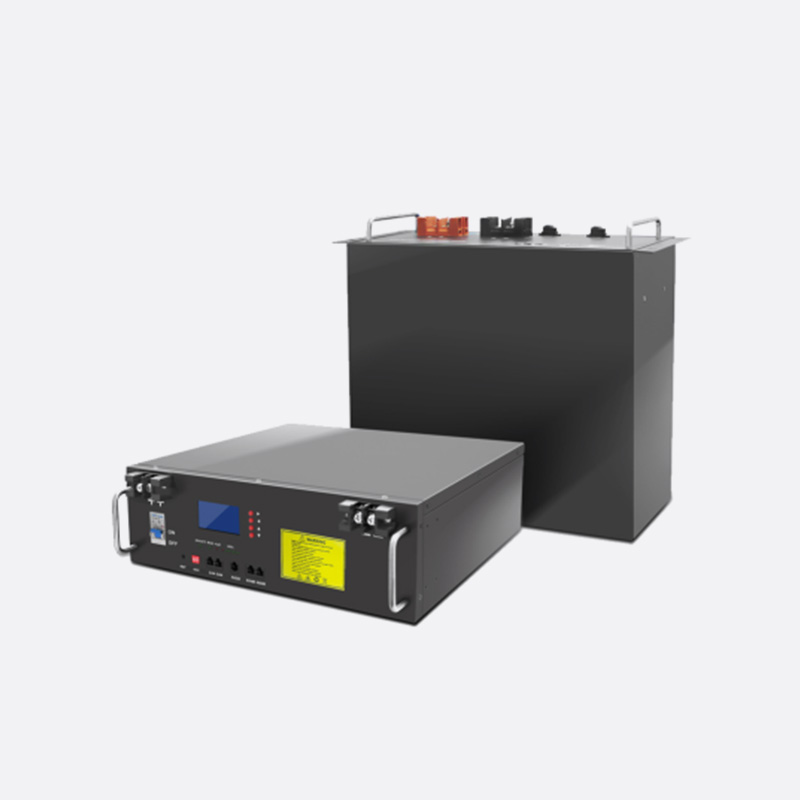
1. Verify Battery Specifications and Rated Capacity
The battery datasheet provides the foundation for comparing products from different suppliers. Buyers should review the complete specification rather than relying on a product name or headline capacity.
- Nominal voltage and capacity: Confirm the rated voltage in volts (V) and capacity in ampere-hours (Ah). Check whether the configuration matches the intended equipment or storage system.
- Usable energy: Calculate nominal energy in watt-hours (Wh) by multiplying voltage by capacity. Actual usable energy depends on the permitted discharge range and operating conditions.
- Charge and discharge ratings: Review continuous current, peak current, and applicable duration limits to confirm that the battery can support the expected load.
- Operating temperature: Check the permitted charging and discharging temperature ranges, including any restrictions at low temperatures.
- Dimensions and weight: Verify installation space, terminal positions, mounting requirements, and transport considerations.
We recommend requesting a model-specific datasheet before comparing quotations. This helps buyers avoid price comparisons between batteries with different electrical ratings or functional capabilities.
2. Examine Cell Quality and Batch Consistency
Consistent cell performance matters in bulk procurement because the same product specification must be maintained across multiple units. Variations in cell capacity, internal resistance, or production quality can affect battery pack behavior and create additional inspection work.
- Ask for the cell manufacturer, model, chemistry, and relevant batch information.
- Review available capacity test records and internal resistance inspection procedures.
- Confirm how cells are matched and how finished battery packs are inspected.
- Request sample testing before approving a larger production order.
At Mega Mei, we encourage buyers to define measurable acceptance criteria before production. Agreed specifications and inspection records provide a clearer basis for reviewing sample results and checking consistency across deliveries.
3. Check the Battery Management System (BMS)
The battery management system plays an important role in monitoring battery conditions and controlling protective functions. A suitable configuration depends on the battery design and the application it serves.
- Protection functions: Confirm the specified protection against overvoltage, undervoltage, overcurrent, short circuits, and excessive temperatures.
- Current ratings: Match the BMS continuous and peak current ratings to the intended load.
- Communication interfaces: Check CAN or RS485 availability and protocol compatibility where communication with an inverter or monitoring system is required.
- Monitoring and balancing: Review cell monitoring, balancing functions, alarms, and available diagnostic information.
Correct voltage and capacity alone do not guarantee system compatibility. Buyers should confirm the required communication settings and verify compatibility with the intended equipment before ordering in volume.
4. Request Relevant Certifications and Test Documents
Documentation requirements vary according to battery design, application, destination market, and shipping method. Buyers should request applicable documents and verify that they correspond to the exact product model being purchased.
- UN 38.3 test summary: Review the relevant lithium battery transport testing documentation for shipment planning.
- Safety standards: Confirm whether IEC 62619, UL standards, or other requirements apply to the intended application and market.
- Safety data and shipping records: Request applicable safety data sheets and transport-related documents from the supplier.
- Quality records: Ask about final inspection procedures, traceability, and available product test reports.
Certificates should be checked for model coverage, validity, and issuing organization. A document associated with a different battery configuration should not automatically be treated as evidence for the product under consideration.
5. Review Warranty, Supply Capacity, and Commercial Terms
A competitive quotation should also provide clear information about the supplier's ability to fulfill repeat orders and handle issues after delivery. Before signing a contract, buyers should review the following details.
- Warranty duration, capacity-retention conditions, exclusions, and claim procedures.
- Sample availability, production scheduling, and expected shipment dates.
- Order quantities, packaging specifications, and payment terms.
- Shipping arrangements, applicable dangerous-goods requirements, and responsibility for transport documentation.
- Technical support, replacement procedures, and communication arrangements for quality issues.
At Mega Mei, we believe that clearly documented commercial and technical requirements help both parties coordinate procurement more effectively. Buyers should evaluate the full supply arrangement rather than focusing exclusively on the initial unit price.
6. Prepare a Practical Checklist Before Confirming an Order
Before moving forward with bulk purchasing, we recommend confirming that the following information has been reviewed and agreed upon:
- Approved datasheet and battery configuration.
- Cell specifications and available batch inspection records.
- BMS functions and system compatibility.
- Applicable certifications and transport documents.
- Sample inspection criteria and acceptance procedures.
- Warranty terms, production schedule, and shipping arrangements.
Completing this review before issuing a purchase order helps clarify expectations and gives procurement teams a consistent framework for evaluating suppliers.
Successful bulk battery procurement starts with verified specifications, documented quality checks, compatible BMS functions, and clear commercial terms. At Mega Mei, we encourage buyers to define their application requirements early and review the relevant product information before confirming an order. By combining technical verification with careful supplier communication, businesses can make informed purchasing decisions and establish a more consistent process for future battery orders.

 English
  Building 33, Demonstration Park, No. 318 Chenguang Road, Eastern New District, Wenling City, Taizhou City, Zhejiang Province, China
  0086-576-86337978
  0086-576-86333878
 boo@zjmgmm.com